About This Post
How long does it take hair growth oil to work?
Most people notice early improvements (softer hair, less breakage, calmer scalp) in 2–4 weeks. More noticeable length and thickness typically takes 2–4 months of consistent use. If you’re asking how long to see results from hair oiling, think of it as a routine — not a one-time fix.
Staring at your reflection in the mirror, running your fingers through thinning strands… I get it. You’ve just invested in that promising bottle of hair growth oil, and now you’re wondering: how long before I see results using a hair growth oil? The anticipation is killing you, isn’t it?
Here’s the thing that most people don’t tell you upfront—and it’s probably going to frustrate you initially. Your hair isn’t going to transform overnight like those dramatic before-and-after photos suggest. In fact, expecting quick results is exactly what sets most people up for disappointment and causes them to give up just when their hair was about to show real progress.
The reality? Most people see initial improvements in hair texture and scalp health within 2-4 weeks, but significant length and thickness results typically take 2-4 months of consistent use. And here’s why that timeline matters more than you think: your hair follicles are essentially on their own biological schedule, and rushing that process is like trying to force a flower to bloom before spring arrives.
But don’t worry—I’m going to walk you through exactly what to expect, when to expect it, and how to maximize your results so you’re not left guessing whether your hair growth oil routine is actually working.

How Long Before I See Results Using Hair Growth Oil (and How Long Does It Take Hair Growth Oil to Work)?
Let me give it to you straight: how long before I see results using hair growth oil” and “how long does it take hair growth oil to work” The timeline depends on consistency, scalp condition, and whether you’re retaining length (less breakage) or stimulating new growth.
Most hair growth oils require 2-4 months of consistent use before showing significant results, but here’s the breakdown of what you can realistically expect:
Early Signs (2-4 weeks):
- Improved scalp health and reduced irritation
- Hair feels softer and more manageable
- Less breakage when brushing or styling
- Subtle shine improvement
Noticeable Changes (6-8 weeks):
- Existing hair appears thicker and fuller
- Baby hairs may start appearing along the hairline
- Reduced hair fall during washing and styling
- Enhanced hair texture and strength
Significant Results (3-4 months):
- Measurable length increase (remember, hair grows about half an inch monthly)
- Visibly thicker hair strands
- Improved hair density in previously sparse areas
- Overall healthier hair appearance
Now, I know what you’re thinking—”four months feels like forever!” Trust me, I’ve been there. But here’s something that might change your perspective: your hair follicles need time to shift from a resting phase to an active growth phase, and that biological process simply can’t be rushed.
The key is understanding that studies show participants using hair growth oils like rosemary oil saw significant increases in hair count after 6 months, which aligns with realistic expectations rather than marketing hype.
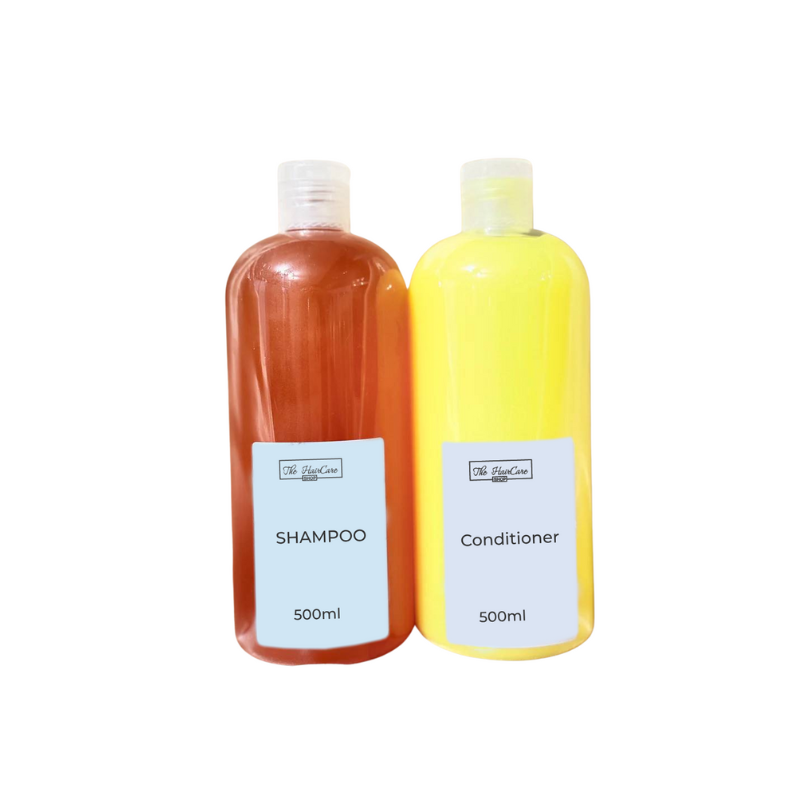
What’s crucial to remember is that consistency trumps intensity every single time. Using your Watermelon Sulphate-Free Shampoo & Conditioner Set alongside your hair growth oil routine creates a foundation that supports rather than hinders your progress.

The Hair Growth Cycle: Why Patience Is Key
Your hair doesn’t just grow continuously like grass on a lawn. Understanding the hair growth cycle is like having a roadmap for your expectations—and honestly, once you grasp this, the timeline for hair growth oil results makes perfect sense.
Your hair goes through three distinct phases, and each follicle operates on its own schedule:
Anagen (Growth Phase) – 2 to 7 years: This is the active growing phase where your hair follicle is producing new hair cells. About 85-90% of your hair is in this phase at any given time. Here’s the thing though—if your follicle has been in the resting phase due to stress, poor nutrition, or hormonal changes, hair growth oils need time to “wake up” these dormant follicles and transition them back into active growth.
Catagen (Transition Phase) – 2 to 3 weeks: Think of this as the follicle taking a little break. The hair shaft detaches from the blood supply but doesn’t fall out immediately. Only about 1% of your hair is in this phase, but it’s important to understand that some shedding is normal and doesn’t mean your hair growth oil isn’t working.
Telogen (Resting Phase) – 2 to 4 months: This is where things get interesting for hair growth oil users. During this phase, old hair rests while new hair begins forming. About 10-15% of your hair is typically in this phase. When you start using hair growth oils consistently, you’re essentially encouraging more follicles to transition out of this resting phase and back into active growth.
The reason you need 2-4 months to see significant results from hair growth oils is because you’re literally waiting for this biological cycle to complete and restart with healthier, more active follicles.
Here’s what really blew my mind when I learned this: if a follicle has been dormant or producing weak hair, it can take up to one complete cycle—sometimes longer—to produce noticeably stronger, thicker hair. That’s why those dramatic transformation photos you see are often taken 6+ months apart.
This is also why switching between different hair growth products every few weeks is counterproductive. You’re essentially restarting the process each time instead of allowing one consistent approach to work through a complete cycle.
Factors That Affect Your Hair Growth Oil Results Timeline
Not all hair growth journeys are created equal, and honestly, this is where things get personal. The timeline for seeing results from your hair growth oil can vary dramatically based on several factors—some within your control, others not so much.
Your Starting Point: If you’re dealing with severe hair loss or damage, your timeline might be longer than someone with minor thinning. Think of it like comparing a garden that’s been neglected for years versus one that just needs a little extra care. Both can flourish, but they’re starting from different places.

Genetics and Age: Here’s the truth nobody wants to hear—genetics play a huge role. If hair loss runs in your family, you might need more patience and potentially combination approaches. Age also affects how quickly your follicles respond, with younger scalps typically showing faster results.
Consistency of Use: This is probably the biggest factor within your control. Using your hair growth oil sporadically is like watering a plant randomly—you’ll get some results, but nothing compared to consistent care. I’ve seen people use oil twice a week and wonder why their results are slower than someone applying it daily.
Overall Hair Health: If you’re regularly using heat styling tools, harsh chemicals, or sulfate-heavy shampoos that strip your hair, you’re essentially working against your hair growth oil. It’s like trying to fill a bucket with holes in it.
Scalp Condition: A healthy scalp is like fertile soil for hair growth. If you’re dealing with issues like seborrheic dermatitis, product buildup, or poor circulation, your hair growth oil needs to address these issues first before focusing on growth stimulation.
Lifestyle Factors: Stress, diet, sleep quality, and hormonal fluctuations all impact how quickly you’ll see results. High stress levels can push more follicles into the resting phase, essentially working against your hair growth oil efforts.
Type and Quality of Hair Growth Oil: Not all hair growth oils are created equal. Some contain more potent active ingredients, while others might be primarily carrier oils with minimal growth-stimulating properties. The concentration of active ingredients like rosemary oil, peppermint oil, or other proven compounds affects how quickly you’ll see results.
Application Method: How you apply your hair growth oil matters more than you might think. Proper scalp massage increases blood circulation and helps the oil penetrate more effectively. Just dumping oil on your hair without massaging it into the scalp significantly reduces its effectiveness.
Understanding these factors helps set realistic expectations and allows you to optimize the variables within your control while being patient with those you can’t change.
What to Expect Week by Week: A Realistic Hair Growth Oil Timeline
Alright, let’s get specific. I’m going to break down what you can realistically expect during your hair growth oil journey, week by week. Keep in mind that everyone’s experience is slightly different, but this timeline reflects what most people experience when they’re consistent with their routine.
Weeks 1-2: The Foundation Phase Don’t expect miracles yet, but you should notice some immediate improvements in how your hair feels. Your scalp might feel more moisturized, and if you’ve been dealing with irritation or flakiness, that should start improving. Some people experience a slight increase in shedding—don’t panic! This often means the oil is helping to release hairs that were already in the shedding phase.

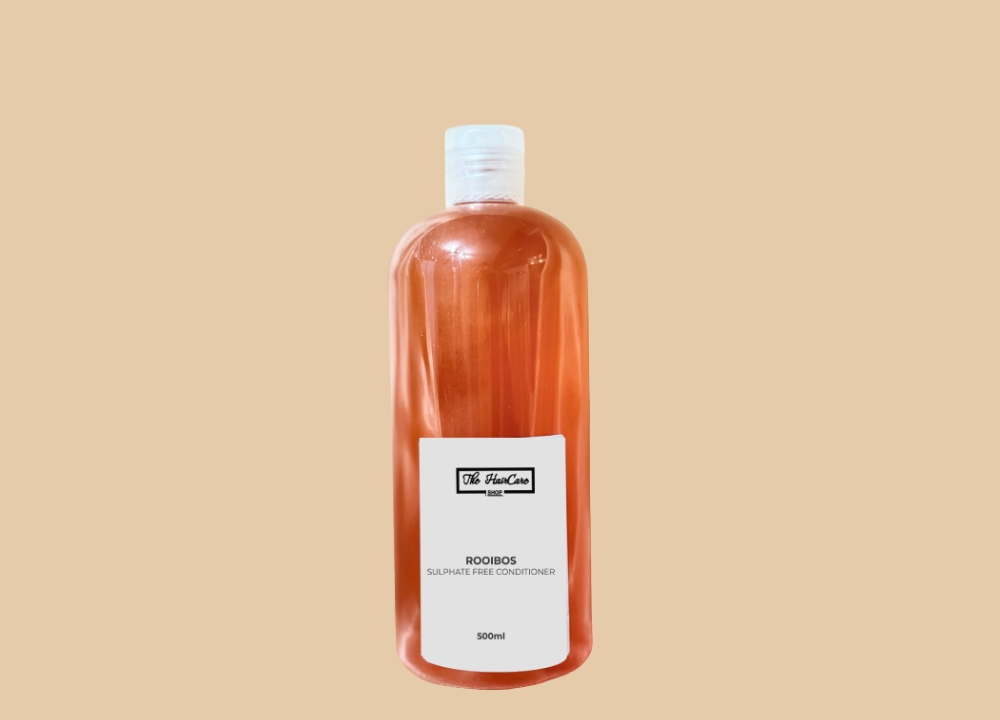
Your Rooibos Shampoo can complement this phase beautifully by providing gentle cleansing that doesn’t strip away the beneficial oils.
Weeks 3-4: Early Improvements This is where things start getting interesting. Your hair should feel noticeably softer and more manageable. You might notice less breakage when you brush or style your hair. The real win during this phase is improved hair quality rather than quantity.
Weeks 5-8: The Turning Point Here’s where patience starts paying off. You might notice baby hairs appearing along your hairline—these are often the first visible signs that dormant follicles are waking up. Your existing hair should appear fuller and have more body to it.
Does Hair Growth Oil Work? (What “Working” Looks Like): Yes — hair growth oil can work, but the “result” is often reduced breakage and better scalp health first, then visible growth later. If you’re only watching for instant length, you’ll miss the early wins that prove the routine is working: less shedding in the shower, fewer snapped ends, a calmer scalp, and baby hairs around the hairline.
Weeks 9-12: Momentum Building Some treatments suggest you may see results in 4-6 weeks, but this 9-12 week period is where most people start seeing what they consider “real” results. Hair density should be noticeably improved, and you might start measuring actual length increases.
Weeks 13-16: Significant Changes This is typically when people take their “after” photos. The cumulative effect of 3-4 months of consistent use should be clearly visible. Hair thickness, length, and overall health should be markedly improved from when you started.
Beyond 4 Months: Optimization Phase Once you hit the 4-6 month mark, you’re in maintenance and optimization mode. Results continue improving, but the rate of change typically slows as you approach your hair’s maximum potential under current conditions.
The key insight here is that hair growth oil results are cumulative. Each week builds on the previous week’s progress, which is why consistency is absolutely crucial and why giving up at week 6 (right before things get interesting) is such a common mistake.
Signs Your Hair Growth Oil Is Actually Working
Let’s talk about the subtle signs that your hair growth oil is working—because recognizing these early indicators can be the difference between sticking with a routine that’s actually effective and abandoning something just before it pays off.
Improved Scalp Health: This is often the first sign, and it’s easily overlooked. If your scalp feels less tight, itchy, or irritated, that’s your first green flag. A healthy scalp is the foundation for healthy hair growth, so this seemingly minor improvement is actually huge.
Reduced Hair Breakage: Pay attention to how much hair you’re seeing on your pillow, in your brush, and in the shower drain. If you’re noticing less hair fall, that’s a sign your existing hair is getting stronger and healthier. Sometimes the first “growth” you see is actually just retention of hair that would have otherwise broken off.
Enhanced Hair Texture: Your hair should start feeling different—softer, more pliable, with improved shine. This indicates that the oil is successfully nourishing your hair shafts and improving their overall structure.
New Baby Hairs: Those tiny, fuzzy hairs along your hairline and part lines? They’re often the first visible sign that dormant follicles are becoming active again. They might look a bit unruly at first, but they’re actually a fantastic sign of progress.
Increased Hair Volume: Even before you see new growth, your existing hair should start looking fuller and more voluminous. This happens as individual hair strands become healthier and stronger, allowing them to hold their shape better.
Improved Manageability: If styling your hair becomes easier and your styles hold better throughout the day, that’s another positive indicator. Healthy hair is simply easier to work with.
Better Scalp Circulation: You might notice that your scalp feels more “alive”—perhaps slightly warm or tingly after application (this is good!). Improved circulation is crucial for delivering nutrients to hair follicles.
Gradual Thickness Progression: This is subtle but important—your ponytail might gradually feel fuller, or you might notice that your part line appears less wide over time.
The key is tracking these changes consistently. I recommend taking monthly photos and notes because gradual improvements are easy to miss day-to-day but become obvious when you compare progress over time.
Common Mistakes That Slow Down Hair Growth Oil Results
Here’s where I see most people sabotage their own progress, often without even realizing it. These mistakes can significantly extend your timeline or even prevent you from seeing results altogether.

Inconsistent Application: This is the big one. Using your hair growth oil three times one week, then forgetting about it for the next week, then using it daily for a few days… it’s like trying to build muscle by going to the gym randomly. Your follicles need consistent stimulation to respond effectively.
Using Too Much Product: More isn’t always better. Overloading your scalp with oil can actually clog pores and create an environment where bacteria thrive. This can lead to scalp irritation and actually slow down your progress. A few drops properly massaged in is far more effective than drowning your scalp.
Switching Products Too Frequently: I see this constantly—someone uses a hair growth oil for 6 weeks, doesn’t see dramatic results, then switches to something else. You’re essentially starting over each time you switch, preventing any single approach from having enough time to work through complete growth cycles.
Neglecting Overall Hair Health: Using hair growth oil while continuing to damage your hair with excessive heat, harsh chemicals, or aggressive brushing is counterproductive. It’s like trying to fill a bucket with holes in it.
Focusing Only on Length: Many people ignore improvements in hair quality, thickness, and health while obsessing over length measurements. This tunnel vision causes them to miss positive signs of progress and give up prematurely.
Not Cleansing Properly: Using gentle, sulfate-free products like Rooibos Sulphate-Free Conditioner is crucial. Harsh cleansers can strip away the beneficial oils and irritate your scalp, undoing much of your progress.
Expecting Linear Progress: Hair growth isn’t linear. You might see great progress for a few weeks, then hit a plateau, then see another surge. This is completely normal, but many people interpret plateaus as failure and give up.
Ignoring Scalp Massage: Simply applying oil without proper massage significantly reduces effectiveness. The massage itself stimulates circulation and helps the oil penetrate more effectively.
Poor Lifestyle Choices: Chronic stress, poor sleep, inadequate nutrition, and excessive alcohol consumption all impact hair health. No hair growth oil can overcome consistently poor lifestyle choices.
Setting Unrealistic Expectations: Expecting to see dramatic results in 2-3 weeks sets you up for disappointment and often leads to giving up just before real progress begins.
Avoiding these mistakes isn’t just about faster results—it’s about ensuring you actually see the results your hair growth oil is capable of delivering.
How to Maximize Your Hair Growth Oil Results
Let’s talk about how to get the absolute most out of your hair growth oil investment. These strategies can significantly improve both your timeline and your final results.
Perfect Your Application Technique: Start with clean, damp (not soaking wet) hair. Apply the oil directly to your scalp using the pads of your fingers, not your nails. Work in small sections to ensure even distribution. The key is getting the oil to your scalp where the follicles are, not just coating your hair strands.
Master the Scalp Massage: Spend at least 5-10 minutes massaging the oil into your scalp using circular motions. This isn’t just relaxing—it’s scientifically proven to improve circulation and help the oil penetrate more effectively. Think of it as a non-negotiable part of your routine.

Time Your Applications Strategically: Evening applications work well because they give the oil overnight to work its magic. If you’re using it during the day, make sure you have at least 2-3 hours before you need to wash it out for maximum absorption.
Create a Supportive Hair Care Routine: Use gentle, sulfate-free cleansing products that won’t strip your hair or irritate your scalp. Your shop page has excellent options that complement hair growth oil treatments perfectly.
Address Underlying Issues: If you’re dealing with hormonal imbalances, nutritional deficiencies, or chronic stress, address these issues alongside your topical treatment. Hair growth oil works best when your body is in optimal condition to support hair growth.
Track Your Progress Properly: Take monthly photos from the same angles, in the same lighting, with the same hair styling. Keep notes about how your hair feels, any changes in thickness or texture, and your overall satisfaction. This documentation helps you recognize progress you might otherwise miss.
Be Strategic About Timing: Consider starting your hair growth oil routine at a time when you can be most consistent—avoiding major life changes, high-stress periods, or times when your schedule is unpredictable.
Combine with Complementary Practices: Gentle brushing with natural bristle brushes, regular scalp exfoliation, and protective styling all support your hair growth oil routine.
Stay Patient But Vigilant: While patience is crucial, don’t ignore signs that something isn’t working. If you experience persistent irritation, increased hair loss, or no improvements after 4-6 months, it might be time to reassess your approach or contact us for personalized guidance.
When to Be Concerned: Red Flags to Watch For
While hair growth oils are generally safe, there are some warning signs that suggest you should pause your routine and potentially seek professional advice.
Persistent Scalp Irritation: Some people may experience scalp irritation, allergic reactions, or skin rashes when using hair growth oils. If redness, itching, or burning persists beyond the first week of use, discontinue the product.
Sudden Increase in Hair Loss: While some initial shedding is normal as your hair cycles adjust, a dramatic increase in hair loss that continues beyond the first 2-3 weeks is concerning and warrants professional evaluation.
Scalp Acne or Clogged Pores: Heavy oils can sometimes lead to clogged pores on sensitive scalps, potentially causing scalp acne. If you notice bumps, pustules, or persistent clogged pores, you may need to adjust your routine or switch to a lighter formulation.
No Improvement After 4-6 Months: If you’ve been consistently using a quality hair growth oil for 4-6 months without any improvement in hair quality, texture, or growth, it’s worth consulting with a professional to rule out underlying conditions.
Allergic Reactions: Any signs of systemic allergic reaction—difficulty breathing, widespread rash, or swelling—require immediate medical attention and permanent discontinuation of the product.
The key is distinguishing between normal adjustment periods and genuine problems. When in doubt, it’s always better to err on the side of caution and seek professional guidance.

How Often to Use Hair Oil for Growth?
If you’re wondering how often to use hair oil for growth, aim for 3–5 times per week as a realistic baseline. If your scalp gets buildup easily, start with 2–3 times per week and focus on proper cleansing. The goal isn’t “more oil” — it’s consistent application + scalp massage + a routine that doesn’t strip your hair afterwards.
If you’re asking how long should I oil my hair for growth, leave it on at least 30–60 minutes (or overnight if your scalp tolerates it), then wash with a gentle routine to avoid buildup.
FAQ’s: Your question answered.
How long does it take to see results from hair growth oil?
Most people see initial improvements in 2-4 weeks, with significant results typically visible after 2-4 months of consistent use. Early signs include improved hair texture and scalp health, while length and thickness improvements take longer to develop.
Can I speed up hair growth oil results?
While you can’t fundamentally change your hair’s growth cycle, you can optimize results by maintaining consistency, proper application techniques, using complementary gentle hair care products, managing stress levels, and ensuring good nutrition. However, be wary of promises of dramatically faster results—they’re often unrealistic.
Why am I losing more hair when I started using hair growth oil?
Some initial increased shedding is normal and often indicates that the oil is helping to release hairs that were already in the shedding phase of the growth cycle. This typically resolves within 2-3 weeks. If excessive shedding continues beyond this period, discontinue use and consult a professional.
How often should I apply hair growth oil for best results?
Most experts recommend applying hair growth oil at least 3 times per week, with daily application being ideal for many people. The key is consistency rather than frequency—regular 3x weekly application is better than sporadic daily use.
Can I use hair growth oil with other hair treatments?
Generally yes, but timing and product selection matter. Avoid applying growth oil immediately before or after chemical treatments like coloring or relaxing. Gentle, sulfate-free products work best in combination with hair growth oils. Always patch test when combining new products.
What should I do if my hair growth oil isn’t working after 3 months?
First, evaluate your consistency and application technique. If you’ve been diligent for 3+ months without any improvements in hair quality or texture (not just length), consider switching to a different formulation, addressing potential underlying health issues, or consulting with a hair care professional.
Are there any side effects of using hair growth oil long-term?
Quality hair growth oils are generally safe for long-term use. However, potential side effects can include scalp irritation, allergic reactions, or clogged pores, especially with heavy formulations or in people with sensitive skin. Monitor your scalp health and adjust usage if needed.
Should I wash my hair every time I use growth oil?
You don’t need to wash your hair every day, even if you’re applying oil daily. Many people find success washing 2-3 times per week while using growth oil daily or every other day. Over-washing can strip beneficial oils and irritate the scalp.
Can hair growth oil help with patchy hair loss?
Hair growth oils may help with certain types of patchy hair loss, particularly those related to poor circulation, stress, or minor follicle damage. However, conditions like alopecia areata or scarring alopecia require professional medical evaluation and treatment.
What’s the difference between hair growth oil and regular hair oil?
Hair growth oils typically contain specific active ingredients like rosemary oil, peppermint oil, or other compounds that have been studied for their growth-stimulating properties. Regular hair oils primarily focus on moisturizing and conditioning without necessarily promoting new growth.
How do I know if my hair growth oil is high quality?
Look for oils that list specific concentrations of active ingredients, have third-party testing, avoid sulfates and harsh chemicals, and come from reputable manufacturers. Be suspicious of products making dramatic claims or promising unrealistic timelines.
Can I make my own hair growth oil at home?
While you can create basic oil blends at home, achieving the proper concentrations of active ingredients and ensuring product safety and stability requires expertise. Commercial products undergo testing for safety and efficacy that’s difficult to replicate at home.
How long does it take for hair growth oil to work?
Most people see early changes in 2–4 weeks, and more visible growth in 2–4 months with consistent use.
How fast does hair growth oil work?
Fast” usually means less breakage + softer hair first. Real thickness/length is slower because hair grows on a cycle.
How long to see results from hair oiling?
Expect noticeable changes in 6–12 weeks, with clearer before/after results around 3–4 months.
Hair growth oil before and after: when should I take photos?
Take photos Day 1, then every 4 weeks (same lighting and hairstyle). Daily checking hides progress.

The Bottom Line: Your Hair Growth Oil Journey Starts Now
Look, I know this whole timeline thing might feel overwhelming at first. Two to four months can seem like forever when you’re staring at your reflection every morning, hoping to see miraculous changes overnight. But here’s what I want you to remember—every single day you’re consistent with your hair growth oil routine, you’re investing in healthier, stronger hair that’s building from the inside out.
The truth is, how long before you see results using a hair growth oil isn’t just about marking days on a calendar. It’s about trusting the process, celebrating those small wins along the way (like noticing your hair feels softer or seeing less breakage), and understanding that real, lasting results take time to develop properly.
Think of it this way—you wouldn’t expect to see dramatic muscle definition after two weeks at the gym, right? Your hair follicles need that same kind of patience and consistency to respond effectively. The difference is that unlike some other beauty routines, hair growth oil actually works when you give it enough time to do its job.

What’s really exciting is that once you start seeing those initial improvements around the 8-12 week mark, the momentum builds quickly. That’s when most people become true believers in their routine because the results speak for themselves.
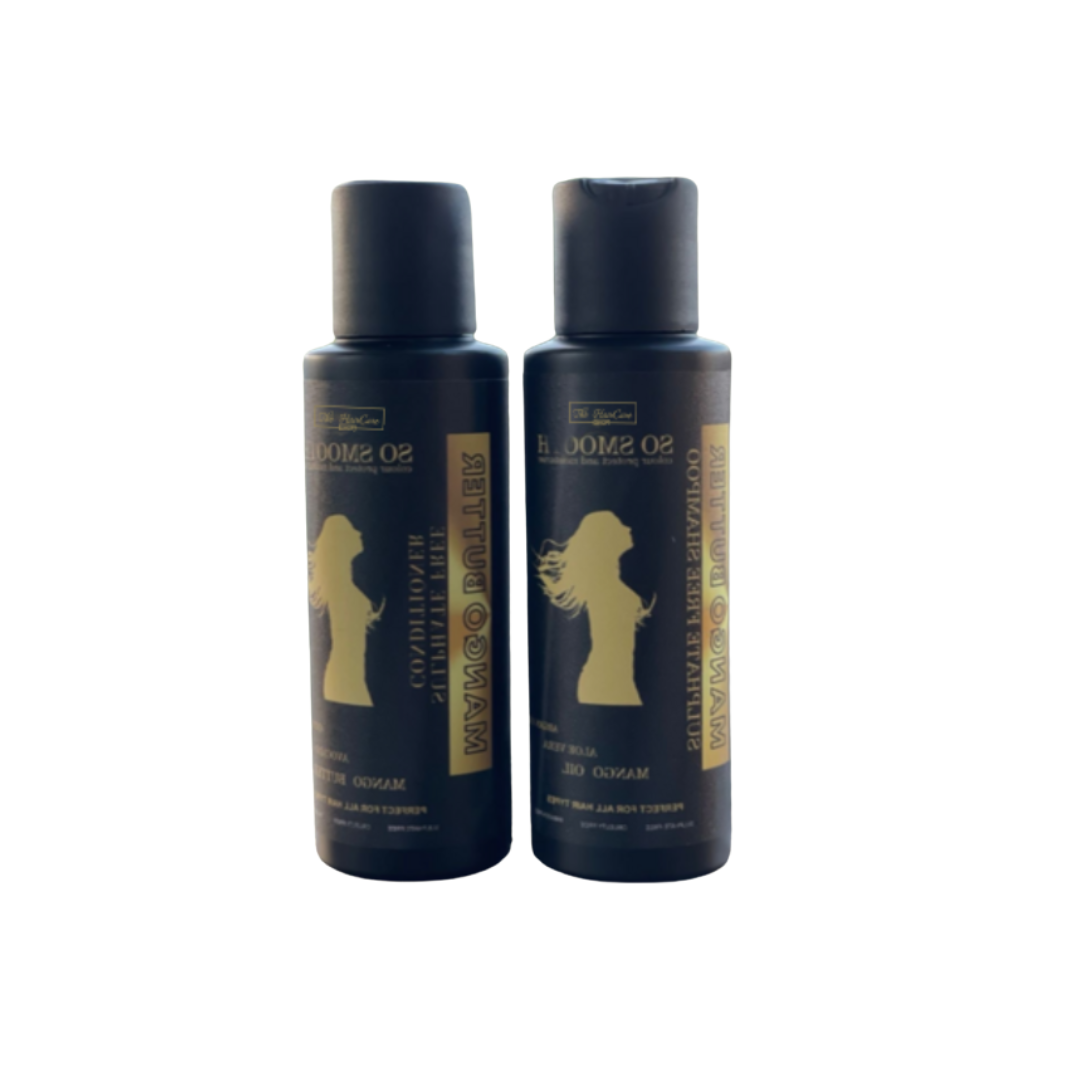
Remember, you’re not just applying oil to your scalp—you’re creating an environment where healthy hair growth can flourish. Combined with gentle care using products like our Watermelon Sulphate-Free Shampoo & Conditioner Set and Rooibos hair care range that support rather than hinder your progress, you’re setting yourself up for the best possible results.
BUY HAIR GROWTH OIL NOW
Premium Hair Growth Oil 100ml
The Premium Hair Growth Oil 100ml is a scalp-nourishing solution designed to support healthy hair from the root. Whether used as part of a protective styling routine or a daily growth regimen, this natural oil blend provides targeted care to help reduce breakage, support growth, and restore scalp comfort.
Now available online at HairCareShop.co.za