About This Post
Introduction
If your hair truly wasn’t growing, you’d be bald.
That’s not a rude statement — it’s a reality check most women need before they waste another month (and another paycheck) chasing the next “miracle” bottle. Because what you’re calling “hair fall” might not be a growth problem at all. It might be a retention problem — hair that grows, but doesn’t survive long enough to show.
And that’s exactly why so many women in South Africa feel stuck.
They try a new shampoo. They try a new oil. They try a new “growth” treatment. For two weeks it feels hopeful… then wash day comes, the shedding looks scary, the ends feel dry again, and the hairline still looks thinner than it should.
So they switch again.
Here’s the truth your scalp has been trying to tell you:
Not all hair fall is the same — and the best shampoo for regrowth depends on which type you’re experiencing.
Because “hair fall” can mean:
- Shedding (hair releasing from the root as part of a cycle)
- Breakage (hair snapping along the strand, usually from dryness/friction)
- Thinning (progressive miniaturisation or scalp issues)
And if you treat breakage like shedding, you’ll buy the wrong thing.
If you treat shedding like thinning, you’ll panic and over-treat.
If you treat scalp inflammation like “dry hair,” nothing improves.
This guide is here to stop the guessing.
We’ll walk through what actually causes hair fall (in plain language), what shampoo can realistically do, which ingredients are worth your attention, and how to match the right shampoo category to your scalp and hair type — especially if you have Afro-textured hair, relaxed hair, colour-treated hair, or you’re in Cape Town’s dry, windy conditions.
We’ll also keep it honest: shampoo isn’t medicine. It won’t “force” hair to regrow in every situation. But the right shampoo can create a healthier scalp environment and reduce the kind of wash-day damage that silently destroys progress. (Medical treatments like minoxidil and certain medicated shampoos like ketoconazole are often discussed in the broader hair-loss management space, but that’s a separate category from everyday cleansing.) Wikipedia+1
By the end, you’ll know:
- what kind of hair fall you have
- what to look for on labels
- what to avoid
- and how to build a routine that finally makes regrowth look like regrowth
Let’s start with the foundation — because once you understand the type of hair fall you’re dealing with, choosing the right shampoo becomes easy.
The 3 Types of “Hair Fall” (And Why Most Shampoos Fail You)
1) Shedding: The Hair Is Leaving From the Root
Shedding is when hair falls out with a white bulb at the end. It can happen during:
- stress
- illness
- hormonal shifts
- postpartum periods
- major lifestyle changes
For many women, shedding feels sudden: “I’m losing handfuls.” But shedding doesn’t always mean permanent loss. Some shedding patterns settle once triggers resolve, and medical guidance is important when it’s persistent or severe. Cleveland Clinic
What shampoo can do for shedding:
- reduce scalp irritation (so you’re not adding inflammation on top)
- support scalp health (clean environment, less itching, less buildup)
What shampoo can’t do:
- “switch on” follicles if the shedding trigger is internal (stress, hormones, nutrition)
So if your main issue is shedding: look for gentle scalp-supporting cleansing, not harsh “strong” shampoos.
2) Breakage: The Hair Is Snapping Along the Strand
Breakage is the most common reason women say:
“My hair grows but it never gets longer.”
Breakage looks like:
- lots of short pieces in the sink
- thin, see-through ends
- tangles that feel like Velcro
- edges that won’t stay full
And here’s the killer: breakage often gets mislabelled as “hair fall.”
What causes breakage most often:
- harsh shampoo that leaves hair squeaky/rough
- skipping conditioner
- detangling without slip
- friction from scarves/wigs/protective styles
- dryness + heat
Best shampoo category for breakage:
- gentle, moisture-friendly cleansing (often sulphate-free)
- paired with conditioner every wash day
This is why your topical cluster matters: your related content on sulphate-free haircare and retention strengthens this page’s ability to rank and convert. Haircare Shop
3) Thinning: The Hair Is Getting Finer Over Time
Thinning is different. It’s not a “bad wash day.” It’s a pattern:
- widening part line
- lower density over months
- scalp showing more clearly
- hairline recession in some cases
Thinning can be linked to genetics, inflammation, or certain scalp conditions. In broader hair-loss management discussions, ingredients like ketoconazole are often referenced as part of combination approaches. Wikipedia+1
What shampoo can do for thinning:
- reduce scalp inflammation
- address dandruff/fungal imbalance if present
- create better conditions for topical treatments
What shampoo can’t do:
- replace medical treatment if thinning is progressive or hormonal
So for thinning, you want scalp-focused shampoos (and sometimes medicated options, guided appropriately), not random “growth oils.”
The Shortcut: Which One Are You?
Use this quick self-check:
- White bulb hair strands? → shedding
- Short broken bits + thin ends? → breakage
- Slow progressive lower density? → thinning
And yes — you can have more than one at the same time.

What Shampoo Can (and Can’t) Do for Regrowth — and the Ingredients That Actually Matter
Before we talk ingredients, we need to clear the biggest misunderstanding in haircare marketing:
Shampoo does not “force” hair to regrow.
What it does is remove (or create) the conditions that decide whether growth survives.
When women switch shampoos and suddenly see progress, it’s not because follicles woke up overnight — it’s because wash-day damage finally stopped.
That’s the lens we’ll use for everything below.
What Shampoo Can Do (Realistically)
A good shampoo can:
- keep the scalp clean without irritation
- reduce inflammation and itching
- prevent moisture loss during washing
- minimise friction that causes breakage
- support a healthier scalp environment
All of that leads to less hair fall during wash day and better length retention over time.
What Shampoo Can’t Do
A shampoo cannot:
- reverse genetic hair loss on its own
- correct hormonal imbalances
- replace medical treatment when thinning is progressive
- fix breakage caused by skipping conditioner or rough styling
If a product promises miracle regrowth, be skeptical. What you want is damage control + scalp support, not hype.
The Ingredient Framework (This Is Where People Get Lost)
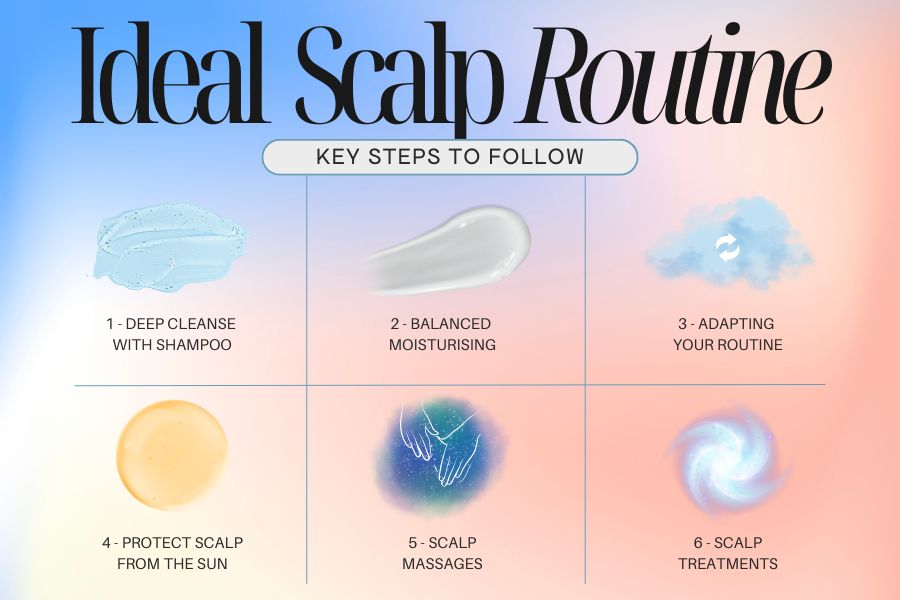
Instead of chasing brand names, focus on ingredient categories. That’s how professionals choose — and it’s how you avoid wasting money.
1) Gentle Cleansers (The Retention Foundation)
If breakage is part of your hair fall, this category matters most.
Look for:
- sulphate-free or low-sulphate cleansers
- formulas that cleanse without leaving hair squeaky
- shampoos designed for dry, curly, relaxed, or colour-treated hair
Why this matters:
Harsh surfactants strip natural oils, raise the cuticle, and leave hair fragile before conditioning even begins. Gentle cleansers preserve elasticity — and elastic hair snaps less.
👉 Related reading (internal):
https://haircareshop.co.za/sulphate-free-haircare-in-cape-town/
2) Moisture-Supporting Ingredients (Breakage Control)
These don’t “grow” hair — they help hair survive wash day.
Helpful ingredients often include:
- humectants (help hair hold water)
- conditioning agents that smooth the cuticle
- botanical extracts that reduce dryness
When these are present, you’ll notice:
- less tangling
- easier detangling
- softer hair before conditioner
That’s a green flag for retention.
👉 Pairing shampoo + conditioner matters here:
https://haircareshop.co.za/conditioners/
3) Scalp-Calming Ingredients (Shedding Support)
If your hair fall looks like shedding (white bulbs, sudden increase), irritation and inflammation often play a role.
Shampoos that help here:
- soothe the scalp
- reduce itchiness and flaking
- keep follicles clear of buildup
This doesn’t stop internal triggers (like stress or hormones), but it prevents extra loss caused by irritation.
👉 Helpful context:
https://haircareshop.co.za/daily-hair-care-for-reducing-shedding/
4) Clarifying vs Daily Shampoos (Why “Stronger” Isn’t Better)
Many people panic-buy “strong” shampoos when hair fall increases. That often backfires.
- Clarifying shampoos: good occasionally for buildup, bad weekly if hair is dry
- Daily/regular shampoos: designed to cleanse gently without stripping
Over-clarifying leads to:
- dryness
- breakage
- scalp rebound oiliness
If your hair feels worse after shampooing, strength is the problem — not your hair.
Matching Shampoo to Your Hair Fall Type (Quick Guide)
If your issue is mostly breakage:
→ gentle, sulphate-free, moisture-friendly shampoo
→ conditioner every wash day
→ focus on retention first
If your issue is shedding:
→ gentle scalp-supporting shampoo
→ avoid over-washing
→ focus on consistency
If your issue is thinning:
→ scalp-focused shampoo
→ manage inflammation and flakes
→ understand shampoo is supportive, not curative
👉 This diagnostic approach is expanded in your pillar article:
https://haircareshop.co.za/best-shampoo-for-hair-growth-faster/
Why Cape Town Conditions Change the Game
Local reality matters.
Cape Town’s:
- dry air
- wind exposure
- hard-ish water in some areas
- frequent protective styling
…all increase wash-day friction.
That’s why shampoos that might work elsewhere can feel too harsh locally — and why sulphate-free, moisture-supportive options perform better for many women here.
Stop asking:
“Which shampoo grows hair the fastest?”
Start asking:
“Which shampoo causes the least damage during wash day?”
That shift alone puts you ahead of 90% of people struggling with hair fall.
How to Choose the Best Shampoo for Hair Fall and Regrowth (By Hair & Scalp Type)
Here’s where most guides fall apart: they recommend one “best” shampoo for everyone.
There is no single best shampoo.
There is only the best shampoo for your hair fall type, scalp condition, and routine.
Use the framework below to choose correctly—without guessing, overbuying, or switching every month.
If Your Hair Fall Is Mostly Breakage
(Hair snaps, ends thin, length never shows)
This is the most common scenario.
What your shampoo must do:
- Clean without stripping
- Preserve moisture during wash day
- Reduce friction before conditioning
What to look for:
- Gentle, sulphate-free formulas
- Moisture-supporting bases
- Shampoos designed for dry, curly, relaxed, or colour-treated hair
What to avoid:
- “Squeaky clean” finishes
- Frequent clarifying
- Shampoos marketed as “deep cleansing” for daily use
Best pairing: shampoo + conditioner set (never shampoo alone)
👉 Start here (internal):
https://haircareshop.co.za/sulphate-free-haircare-in-cape-town/
Product fits from Haircare Shop:
- https://haircareshop.co.za/product/watermelon-sulphate-free-shampoo-500ml/
- https://haircareshop.co.za/product/argan-silk-sulphate-free-shampoo-500ml/
- https://haircareshop.co.za/product/watermelon-sulphate-free-shampoo-conditioner-set/
Why sets help: the conditioner is formulated to close the cuticle the shampoo opens—reducing post-wash breakage.
If Your Hair Fall Is Mostly Shedding
(More hair in the drain, white bulbs, sudden increase)
Shedding is often internal (stress, illness, hormonal shifts), but shampoo still matters.
What your shampoo must do:
- Calm the scalp
- Prevent irritation and itching
- Avoid over-drying that triggers extra shedding
What to look for:
- Scalp-friendly, gentle cleansing
- Non-irritating formulas
- Consistency over “strong” action
What to avoid:
- Over-washing
- Aggressive scrubbing
- Constant switching
👉 Supporting read:
https://haircareshop.co.za/daily-hair-care-for-reducing-shedding/
Product fits:
- https://haircareshop.co.za/product/rooibos-combo-set-shampoo-conditioner/
- https://haircareshop.co.za/product/tea-tree-sulphate-free-shampoo-500ml/
These focus on scalp comfort without compromising strand strength.
If Your Hair Fall Looks Like Thinning
(Gradual density loss, widening part, scalp showing more)
This is where expectations matter.
What shampoo can do:
- Reduce inflammation
- Manage flakes or buildup
- Support topical treatments if used
What shampoo can’t do:
- Reverse genetic or hormonal thinning on its own
Best approach:
- Use a scalp-focused shampoo
- Keep wash day gentle
- Combine with medical or lifestyle guidance if thinning progresses
👉 Context guide:
https://haircareshop.co.za/best-hair-loss-shampoo-in-south-africa/
If You Have Afro-Textured, Relaxed, or Colour-Treated Hair
(Most Cape Town clients fall here)
Your hair is naturally more prone to dryness and breakage—so retention is everything.
Your shampoo priorities:
- Moisture preservation
- Elasticity protection
- Cuticle smoothing
Non-negotiables:
- Conditioner every wash
- Gentle detangling
- Minimal friction styling
👉 Best routine breakdown:
https://haircareshop.co.za/transformative-haircare-routine/
Product fits:
- https://haircareshop.co.za/product/argan-silk-sulphate-free-shampoo-conditioner/
- https://haircareshop.co.za/product/tea-tree-sulphate-free-shampoo-conditioner-set/
How Often Should You Shampoo for Regrowth?
This depends on scalp condition—not hair length.
- Oily or flaky scalp: every 7–10 days
- Dry or breakage-prone hair: every 10–14 days
- Protective styles: cleanse scalp without rough manipulation
Over-washing = dryness → breakage → stalled length.
Under-washing = buildup → irritation → shedding.
Balance is the goal.
The Biggest Mistake to Avoid (This One Costs Months)
Switching shampoos too quickly.
Hair needs time to respond:
- 3–4 weeks: less shedding
- 6–8 weeks: stronger strands
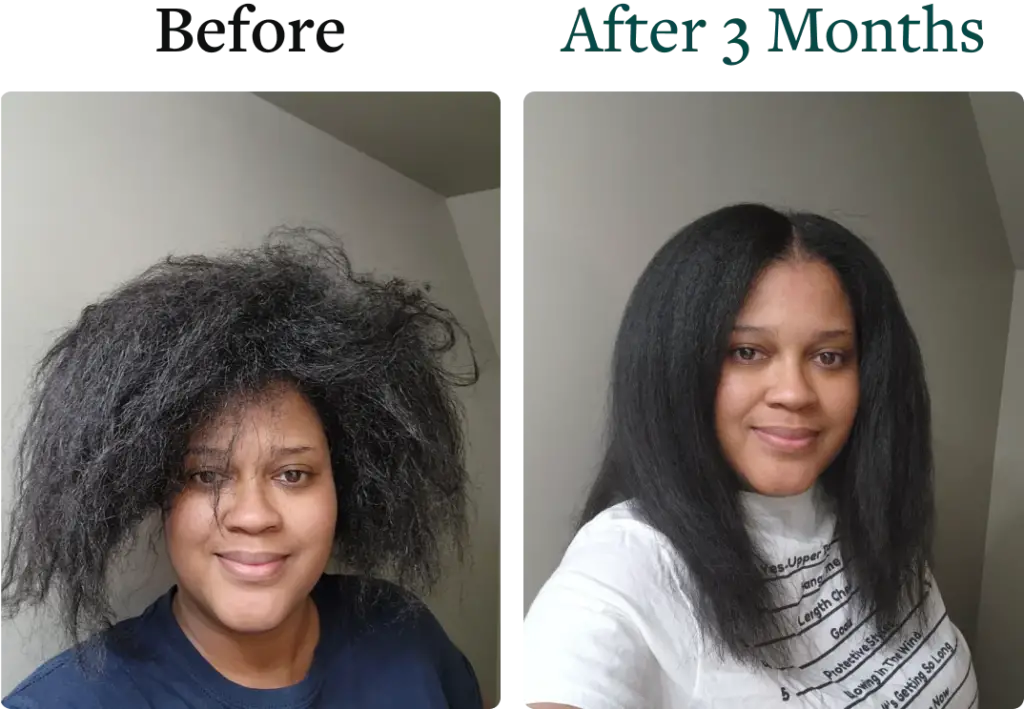
- ~3 months: visible retention
Switching resets the clock.
Key Takeaway
The best shampoo for hair fall and regrowth in South Africa isn’t the loudest or most expensive—it’s the one that matches your hair fall type and reduces damage during wash day.
Once that’s in place, regrowth finally has room to show.
The Simple 8-Week Routine That Makes Shampoo Actually Work
Most people judge a shampoo after one wash.
That’s a mistake.
Shampoo doesn’t work in isolation — it works inside a system. When the system is right, hair fall reduces, breakage slows, and regrowth becomes visible. When the system is wrong, even the best shampoo looks useless.
Here’s the exact 8-week routine that turns a good shampoo into real results — without adding complexity.
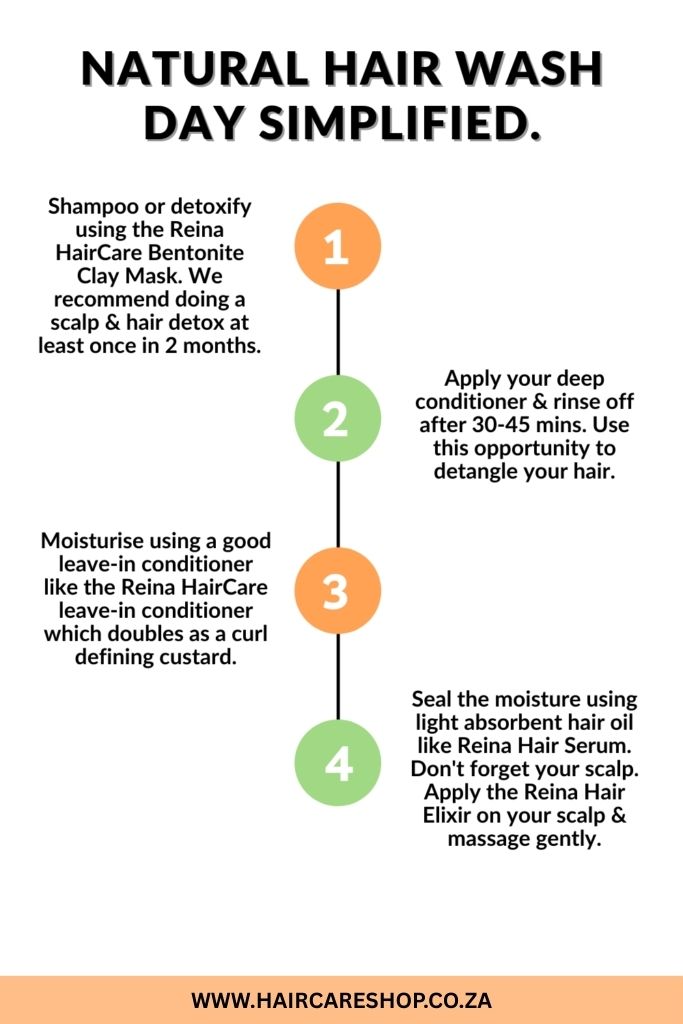
Week 1–2: Stabilise (Stop New Damage)
Goal: reduce immediate shedding and wash-day breakage.
What to do
- Shampoo (1× every 7–14 days)
- Focus on the scalp, not the length
- Massage gently; no scratching
- Rinse thoroughly
- Condition every wash (non-negotiable)
- Apply generously
- Detangle with conditioner in the hair
- Start from the ends, work up
- Seal moisture lightly
- Apply a small amount of oil to ends and edges
- Avoid heavy layering
What you’ll notice
- Less hair in the drain
- Easier detangling
- Hair feels calmer, not stiff
👉 Helpful reference:
https://haircareshop.co.za/daily-hair-care-for-reducing-shedding/
Week 3–4: Strengthen (Reduce Breakage)
Goal: protect strands so growth isn’t lost.
What to do
- Keep shampoo frequency consistent
- Never skip conditioner
- Reduce manipulation between wash days
- Avoid heat and tight styles
Styling focus
- Low-tension protective styles
- Satin scarf or bonnet at night
- Hands off during the week
What you’ll notice
- Ends feel less wispy
- Hair holds moisture longer
- Less snapping during styling
👉 Pairing shampoo + conditioner helps here:
https://haircareshop.co.za/conditioners/
Week 5–6: Retain (Let Length Show)
Goal: allow retained growth to become visible.
At this stage, many people get impatient and switch products. Don’t.
What to do
- Maintain the same routine
- Clarify only if there’s visible buildup (once, max)
- Continue sealing moisture lightly
What you’ll notice
- Fuller ends
- Reduced edge fragility
- Hair looks healthier overall
👉 Why sulphate-free cleansing supports this phase:
https://haircareshop.co.za/sulphate-free-haircare-in-cape-town/
Week 7–8: Evaluate (Without Resetting)
Goal: assess progress without starting over.
Ask yourself:
- Is shedding lower than before?
- Are my ends thicker than week 1?
- Is detangling easier?
If yes — the routine is working.
If not — adjust one thing only (frequency, technique, or styling), not the entire product line.
👉 Big picture context:
https://haircareshop.co.za/best-shampoo-for-hair-growth-faster/
Common Mistakes That Cancel the Routine
- ❌ Shampooing more often because hair “doesn’t feel clean”
- ❌ Skipping conditioner to “strengthen” hair
- ❌ Over-oiling the scalp
- ❌ Tight braids/wigs during recovery
- ❌ Switching shampoos every 2–3 weeks
Consistency beats intensity every time.
How This Routine Supports Regrowth
This routine:
- reduces friction (less breakage)
- protects the cuticle (better retention)
- calms the scalp (less irritation)
Regrowth doesn’t need force — it needs space. This routine creates that space.
Objections, Myths & Advanced Tips (What Stops Regrowth in South Africa)
This is the section that saves people months (sometimes years) of frustration — because most hair fall problems don’t come from doing nothing. They come from doing the wrong things repeatedly, believing they’re helpful.
Let’s clear the biggest blockers.
Myth #1: “If it’s not tingling or strong, it’s not working”
This belief has cost more length than almost anything else.
Strong sensations don’t equal effectiveness. Tingling often means irritation, not stimulation. An irritated scalp sheds more and heals slower.
Reality:
A shampoo that supports regrowth often feels uneventful. No burn. No sting. Just calmer wash days and less hair loss over time.
If your scalp feels sore, itchy, or tight after washing — that shampoo is working against you.
Myth #2: “I Must Wash More Often Because I’m Losing Hair”
When hair fall increases, people panic-wash.
This backfires.
Over-washing:
- strips natural oils
- dries the hair shaft
- increases breakage
- triggers scalp rebound oiliness
Reality:
Hair fall linked to breakage improves when wash day becomes gentler, not more frequent. Clean scalp ≠ stripped scalp.
Balance is the goal.
Myth #3: “Protective Styles Will Fix Everything”
Protective styles protect only when tension is low.
Common mistakes:
- tight braids “for longevity”
- repeated pulling at the same hairline areas
- dry hair under wigs
- leaving styles in too long
Reality:
Protective styling helps only when:
- hair is moisturised first
- tension is minimal
- styles are rotated
- edges are protected
If edges thin while styling is “protective,” friction is still happening.
Myth #4: “Oil Is the Solution to Hair Fall”
Oil is helpful — but it’s not the foundation.
Oil does not:
- cleanse the scalp
- undo wash-day damage
- replace conditioner
Reality:
Oil seals moisture after shampoo and conditioner do their jobs. When oil is used alone, hair stays dry underneath and continues to break.
If oil worked on its own, everyone using it would have waist-length hair. The routine matters more than the oil.
Myth #5: “Switching Products Means I’m Taking Action”
Switching feels productive — but it’s often avoidance.
Every time you switch:
- the scalp resets
- hair doesn’t stabilise
- progress becomes impossible to measure
Reality:
Hair responds to patterns, not experiments. The routine that feels boring is usually the one that works.
Advanced Tips That Make a Real Difference
1) Your Hands Matter More Than Your Products
Rough handling causes more breakage than “bad” products.
- Detangle slowly
- Don’t rush wash day
- Avoid styling when tired or frustrated
Gentleness compounds.
2) Water + Weather Matter in Cape Town
Dry air and wind increase moisture loss.
Counter this by:
- sealing moisture lightly after wash day
- covering hair when windy
- avoiding exposed ends for long periods
This is why moisture-friendly shampoos perform better locally.
3) Trim Strategy Beats “Never Cut”
Never trimming doesn’t equal retention.
Thin, splitting ends:
- tangle more
- break faster
- make hair look shorter
Small, strategic trims protect length over time.
4) Regrowth Is a System, Not a Product
When shampoo, conditioner, oil, technique, and patience align — hair fall reduces without forcing it.
There is no single hero product.
There is a system that works.
The Real Objection (Let’s Be Honest)
Most people don’t fail because they lack information.
They fail because they:
- expect speed instead of stability
- confuse strength with harshness
- change routines before hair adapts
Once you stop chasing intensity and start protecting consistency, regrowth becomes predictable.
Frequently Asked Questions: Best Shampoo for Hair Fall and Regrowth in South Africa
What is the best shampoo for hair fall and regrowth in South Africa?
The best shampoo for hair fall and regrowth in South Africa is one that matches the cause of your hair fall. For most women, breakage is the main issue, so gentle, sulphate-free shampoos that preserve moisture and reduce wash-day damage work best.
👉 See the full guide here:
https://haircareshop.co.za/best-shampoo-for-hair-growth-faster/
Can shampoo really help with hair regrowth?
Shampoo does not force hair to regrow, but it plays a critical role in creating a healthy scalp environment and preventing breakage. When wash-day damage is reduced, natural hair growth becomes visible over time.
Why does my hair fall out more on wash day?
Hair fall during wash day is often caused by tangled shed hair releasing at once, combined with breakage from harsh shampoo, dry detangling, or skipping conditioner. Improving wash-day technique usually reduces this quickly.
👉 Learn more:
https://haircareshop.co.za/daily-hair-care-for-reducing-shedding/
Is sulphate-free shampoo better for hair fall?
For many women, yes. Sulphate-free shampoos are gentler and help reduce dryness and friction, which lowers breakage — especially for Afro-textured, relaxed, or colour-treated hair.
👉 Related guide:
https://haircareshop.co.za/sulphate-free-haircare-in-cape-town/
How long does it take to see regrowth results?
Most people notice less shedding within 3–4 weeks, stronger strands by 6–8 weeks, and visible length retention around 3 months when they follow a consistent routine.
Should I change shampoos if I don’t see results immediately?
No. Switching too quickly resets progress. Hair needs time to stabilise after wash-day damage is reduced. Consistency is more important than chasing new products.
Do I need conditioner if my shampoo says “moisturising”?
Yes. Conditioner smooths the cuticle and protects hair during detangling. Skipping conditioner is one of the fastest ways to lose length through breakage.
👉 Browse conditioners:
https://haircareshop.co.za/conditioners/
Final Conclusion: What Actually Works for Hair Fall and Regrowth
Hair fall is not a single problem — and there is no single miracle shampoo.
For most women in South Africa, the real issue isn’t that hair isn’t growing. It’s that hair isn’t surviving wash day.
Once you:
- stop using harsh shampoos
- condition consistently
- detangle gently
- reduce friction
- and give your routine time
…hair fall reduces naturally, and regrowth becomes visible without forcing it.
The best shampoo for hair fall and regrowth is the one that:
- matches your hair fall type
- supports your scalp
- protects your strands
- and fits into a routine you can maintain
If you’re unsure which category your hair falls into or want help choosing the right shampoo and conditioner combination, you don’t have to guess.
Chat to us on WhatsApp: https://wa.me/27676923053
📍 Visit us: Haarlem Avenue, Belhar 7493 (near Bellville)
This article now acts as a pillar-level asset in your hair-growth content cluster and supports your related guides on sulphate-free haircare, retention, and regrowth.
Recommended Products
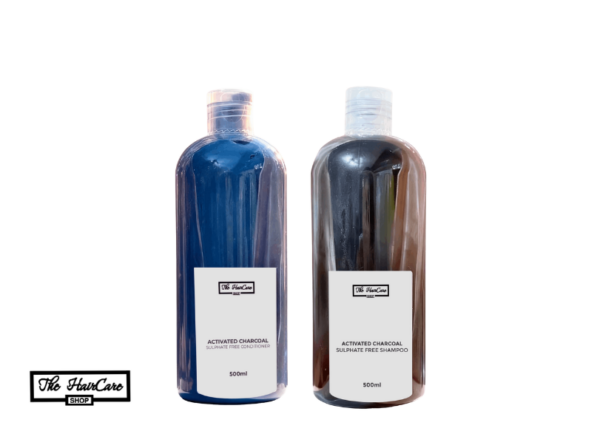
Activated Charcoal Shampoo & Conditioner Set 500ml – Ultimate Detox Duo for Clean, Revitalized Hair
Revolutionize your hair care routine with our powerful Activated Charcoal Shampoo & Conditioner Set, featuring two generous 500ml bottles that work in perfect harmony to detoxify, cleanse, and nourish. This complete detox hair care system combines deep-cleansing charcoal technology with intensive conditioning for hair that looks and feels healthier, cleaner, and more vibrant than ever.