About This Post
If keratin smoothing treatments were as universally safe and “repairing” as they’re marketed across South Africa, hair breakage wouldn’t be one of the most common complaints we hear from women—especially here in Cape Town.
Yet the pattern is familiar.
You do the treatment.
Your hair looks sleek, shiny, and manageable.
Friends compliment you. The salon promises results.
Then—weeks later—your ends feel thinner. Your hair snaps when you detangle. The length you worked so hard to grow suddenly feels… shorter.
And the most confusing part?
You did everything right.
This is where most keratin conversations go wrong. They focus on how hair looks immediately after the treatment—never on how it behaves weeks later, especially on Afro-textured, colour-treated, relaxed, or postpartum hair. And that gap in honest information is costing South African women time, money, and hair health.
Let’s be clear from the start:
Keratin smoothing treatments are not inherently bad.
But they are also not universal solutions—and they are absolutely not “repair” treatments in the way many people believe.
Keratin smoothing works on the surface of the hair. It temporarily fills gaps, smooths raised cuticles, and reduces frizz. That’s why hair feels softer and looks shinier at first. But smoother hair is not the same as stronger hair—and confusing the two is where problems begin.
In South Africa, this misunderstanding is amplified by a few realities many blogs ignore:
- Our hair routines often mix relaxers, colour, braids, heat, and tight styles
- Cape Town’s dry winds and frequent washing strip moisture faster than most climates
- Afro and curly hair types already struggle more with moisture retention
- Postpartum shedding and stress-related hair thinning are extremely common
When keratin is added on top of hair that’s already moisture-depleted, it can push strands into protein overload. And protein overload doesn’t show up immediately—it shows up later as stiffness, snapping, and unexplained breakage.
That’s why this article exists.
Not to scare you away from keratin.
Not to sell you another miracle product.
But to help you make an informed decision before your hair pays the price.
In this guide, we’re going to break down:
- What keratin smoothing treatments actually do (and what they don’t)
- Who keratin treatments can work for—and who should avoid them entirely
- Why Afro, relaxed, and colour-treated hair reacts differently
- How to care for your hair safely if you’ve already done keratin
- And what truly supports long-term hair health beyond chasing treatments
If you’re tired of trying products that promise everything and deliver disappointment…
If you’re just looking for something that works without damaging your hair further…
You’re in the right place.
Let’s start by separating keratin facts from keratin marketing.


SECTION 1: What Keratin Smoothing Treatments Actually Do (and Don’t Do)
(Problem awareness · expectation reset)
Before you decide whether keratin is “good” or “bad,” we need to fix the biggest misunderstanding around it:
Keratin smoothing is not a hair repair treatment.
It doesn’t heal damage.
It doesn’t rebuild broken strands.
And it doesn’t strengthen weak hair from the inside out.
What it does is far more specific — and temporary.
Keratin works like a surface coating, not a cure
Your hair is made of keratin already. That’s true. But when salons talk about “adding keratin back into the hair,” it creates the illusion that damaged strands are being rebuilt from within.
In reality, most keratin smoothing treatments work by:
- Filling in gaps along the hair cuticle
- Sealing the outer layer to lie flatter
- Reducing friction so hair feels softer and looks shinier
- Temporarily masking roughness and dryness
Think of it like polishing a scratched table.
It looks smooth and glossy afterward — but the wood underneath hasn’t changed.
That’s why keratin-treated hair often feels amazing at first. The cuticle is sealed. Frizz is reduced. Detangling is easier. Styling time drops dramatically.
But this smoothness can be misleading.
Why keratin-treated hair feels “healthy” — even when it isn’t
Here’s the trap many women fall into:
Smooth = healthy
Shiny = strong
Unfortunately, hair doesn’t work that way.
Strength comes from flexibility and moisture balance, not stiffness. When keratin coats the hair too heavily — especially on strands that are already dry or chemically processed — it reduces elasticity.
And hair without elasticity breaks.
This is why many women say things like:
- “My hair looked great, but it started snapping later”
- “My hair felt hard after a few washes”
- “I didn’t lose hair at the roots — it broke off”
Keratin didn’t cause sudden damage.
It revealed underlying weakness that was already there — then made it worse by limiting moisture absorption.
What keratin does NOT do (despite the marketing)
Let’s clear up a few promises you’ll often hear:
❌ “Keratin repairs split ends”
→ Split ends can only be trimmed. Keratin temporarily seals them — until it washes out.
❌ “Keratin makes hair stronger”
→ It makes hair smoother, not stronger. Strength comes from moisture-protein balance.
❌ “Keratin is ideal for damaged hair”
→ Severely damaged hair usually needs moisture and gentle care first, not more protein.
❌ “Salon-grade keratin is always safe”
→ Professional doesn’t mean universally suitable. Hair history matters more than product quality.
Why the problems often show up weeks later
One of the most frustrating things about keratin-related breakage is the delay.
Hair doesn’t snap immediately after treatment because:
- The cuticle is sealed
- Friction is reduced
- Hair is easier to manage
But as weeks pass:
- Moisture struggles to penetrate protein-heavy strands
- Hair becomes rigid instead of flexible
- Normal manipulation (combing, tying, sleeping) causes breakage
This is why women often say, “It was fine at first — then everything went wrong.”
Keratin didn’t suddenly “turn bad.”
The hair simply reached a point where protein outweighed moisture.
Why this matters more for Afro, relaxed, and colour-treated hair
Not all hair reacts the same way to keratin.
Afro-textured and curly hair:
- Is naturally drier
- Relies heavily on moisture retention
- Is more sensitive to protein overload
Relaxed and colour-treated hair:
- Already has a compromised cuticle
- Loses moisture faster
- Needs flexibility more than rigidity
When keratin smoothing is layered on top of these hair types without proper aftercare, breakage risk increases significantly.
This is especially true in Cape Town, where dry air, wind, and frequent washing accelerate moisture loss.
The takeaway from this section
Keratin smoothing treatments:
- ✔ Improve appearance short-term
- ✔ Reduce frizz temporarily
- ✔ Make styling easier
But they:
- ❌ Do not repair internal damage
- ❌ Do not replace consistent hair care
- ❌ Can worsen breakage if misused
Understanding this difference is the first step to protecting your hair.
Next, we need to answer the most important question of all:
Who does keratin actually work for — and who should stay far away from it?
4
SECTION 2: Who Keratin Treatments Work For (and Who Should Avoid Them)
Keratin smoothing treatments aren’t automatically “good” or “bad.”
They’re situational. And whether they help or hurt depends far more on your hair history than on the brand used or how experienced the stylist is.
This is where most people get misled — because salons talk about results, not risk profiles.
Let’s break it down honestly.
Keratin treatments may work if most of the following are true
Keratin can be a temporary cosmetic win when hair already has a strong foundation.
You’re more likely to tolerate keratin well if:
- Your hair is naturally strong and doesn’t snap easily
- You rarely colour, relax, or bleach
- Your hair doesn’t feel chronically dry between washes
- You don’t rely heavily on heat styling
- Your main goal is frizz reduction, not repair
In these cases, keratin acts like a polish.
It smooths the surface without overwhelming the strand.
This is why some women say, “Keratin worked perfectly for me.”
Their hair wasn’t desperate for moisture to begin with.
Keratin should be approached with extreme caution if any of these apply
This is where many South African women run into problems — especially in Bellville and surrounding areas where braids, colouring, and protective styles are common.
Keratin is high-risk if you:
- Have Afro-textured or tightly curled hair that already feels dry
- Are relaxed, transitioning, or frequently colour your hair
- Wear braids, wigs, or tight styles often
- Are postpartum or experiencing hormonal shedding
- Struggle with chronic breakage, thinning edges, or snapping ends
In these cases, keratin doesn’t solve the core problem.
It covers it up — until the hair can’t cope anymore.
Why Afro-textured hair reacts differently
Afro and tightly curled hair types:
- Have fewer natural oils travelling down the strand
- Lose moisture faster
- Depend heavily on flexibility to avoid breakage
Keratin adds rigidity.
Afro hair needs elasticity.
When protein outweighs moisture, strands lose their ability to bend — and hair that can’t bend will break.
That’s why many women notice:
- Thinner ends after keratin
- Hair that feels “hard” instead of soft
- Breakage during detangling, not shedding from the root
Relaxed and colour-treated hair: double vulnerability
Relaxers and colour already alter the hair’s internal structure.
That means:
- The cuticle is more porous
- Moisture escapes faster
- Protein builds up more easily
Adding keratin on top of already compromised strands often pushes hair past its tolerance threshold — especially without strict sulphate-free aftercare and moisture-focused routines.
This is why post-keratin maintenance matters more than the treatment itself (we’ll cover this in detail shortly).
Lifestyle matters more than labels
Two people can use the same keratin product and have opposite outcomes — because hair doesn’t live in isolation.
Keratin becomes risky when combined with:
- Frequent washing
- Heat styling
- Tight hairstyles
- Skipping deep conditioning
- Using regular shampoos after treatment
If your lifestyle doesn’t allow for gentle, moisture-first care, keratin will eventually work against you.
The honest takeaway from this section
Keratin smoothing treatments are not beginner-friendly and not universal.
They work best when:
- Hair is already healthy
- Expectations are cosmetic, not reparative
- Aftercare is taken seriously
They cause problems when:
- Hair is already stressed
- Moisture needs are ignored
- Protein keeps getting layered on top of protein
If you recognise yourself in the “avoid or proceed with caution” group, don’t panic — you’re not out of options.
In fact, many women regain better hair health after stepping away from keratin and focusing on gentler routines.
But before we talk solutions, we need to clear the noise.
Because keratin myths are everywhere — and believing them is how hair gets damaged.

4
SECTION 3: The Biggest Keratin Myths in South Africa (and Why They Keep Damaging Hair)
Keratin doesn’t damage hair on its own.
Believing the wrong things about keratin does.
Across South Africa, keratin smoothing treatments are marketed with half-truths that sound convincing, feel professional, and quietly lead women into routines that work against their hair. Let’s clear those myths properly — without fear-mongering and without sales pressure.
Myth 1: “Keratin repairs damaged hair”
This is the most harmful belief of all.
Keratin smoothing does not repair hair in the biological sense. Repair would mean restoring broken bonds or rebuilding internal structure. Keratin smoothing doesn’t do that. It coats, seals, and smooths.
Why the myth persists:
- Hair looks healthier immediately
- Frizz disappears
- Shine increases dramatically
But what’s really happening is surface correction, not internal healing.
Why this causes damage later:
Women with breakage think, “My hair is damaged, so keratin will fix it.”
In reality, damaged hair usually needs moisture and gentleness first — not added protein.
Myth 2: “If it’s salon-grade, it’s safe for everyone”
Professional does not mean universal.
Salon-grade keratin is often:
- Stronger
- More concentrated
- Longer-lasting
That makes it effective — and higher risk for hair that’s already stressed.
Hair doesn’t care where the product came from.
It responds to history, not branding.
If hair has been:
- Relaxed
- Coloured
- Braided tightly
- Heat-styled frequently
- Neglected moisture-wise
Then even the best keratin formula can become too much.
Myth 3: “Keratin damage means hair loss”
This one causes unnecessary panic.
Keratin-related issues are usually breakage, not hair loss.
Here’s the difference:
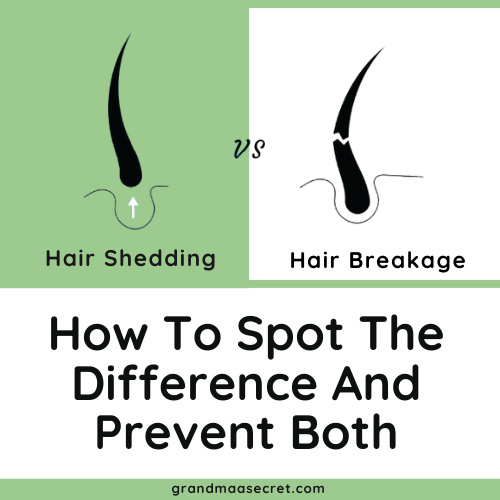
- Hair loss = hair falls from the root
- Breakage = hair snaps along the strand
Keratin overload causes hair to lose flexibility. When hair can’t stretch, it breaks during:
- Combing
- Detangling
- Tying hair up
- Sleeping
That’s why many women say,
“My hair didn’t fall out — it just got shorter.”
Understanding this distinction matters, because the solution for breakage is very different from the solution for hair loss.
Myth 4: “Once you’ve done keratin, you’re locked in”
This is simply not true.
Keratin is temporary. It fades with washing and time.
What locks people in isn’t the treatment — it’s the routine they continue afterward:
- Protein-heavy products layered on top
- Harsh shampoos stripping moisture
- Skipping deep conditioning
- Continuing high heat
Many women think keratin “ruined” their hair permanently, when in reality the hair just needs:
- Moisture restoration
- Reduced protein
- Gentler handling
Hair is incredibly resilient when given the right conditions.
Myth 5: “Coconut oil and natural masques are weaker than keratin”
Natural doesn’t mean ineffective.
Coconut oil and moisture-based masques don’t aim to smooth hair instantly — they aim to restore flexibility over time.
The problem is expectation:
- Keratin = instant visual payoff
- Moisture treatments = gradual improvement
In a culture that rewards quick results, slow repair is often abandoned too early.
But flexibility is what prevents breakage — not surface smoothness.
Why these myths keep circulating
Keratin myths survive because:
- Smooth hair photographs well
- Short-term results sell treatments
- Long-term hair health isn’t visible immediately
And most importantly:
Hair problems show up weeks later, when no one connects the dots.
The real takeaway
Keratin isn’t evil.
It’s just misused, misunderstood, and oversold.
When you stop expecting keratin to do a job it was never designed to do, you regain control over your hair decisions.
And if you’ve already had keratin — don’t worry. You’re not stuck, and your hair isn’t doomed.
Next, we’ll talk about exactly how to protect your hair after keratin and prevent the breakage most women experience.

SECTION 4: If You’ve Already Done Keratin — How to Prevent Breakage and Restore Balance
(Actionable recovery · step-by-step)
If you’ve already had a keratin smoothing treatment and you’re worried about breakage, take a breath. You’re not stuck, and you don’t need to panic-cut your hair. What matters now is what you do next.
The goal after keratin is simple:
reduce protein load, increase moisture, and handle hair gently until balance returns.
Below is a clear, realistic routine that works for Cape Town conditions and for Afro, relaxed, and colour-treated hair.
Step 1: Switch immediately to sulphate-free cleansing
Regular shampoos strip moisture and accelerate stiffness after keratin. That’s when snapping begins.
What to do:
- Use a sulphate-free shampoo only
- Wash less frequently if possible (every 7–10 days)
- Focus shampoo on the scalp; let suds rinse through lengths
Helpful resource:
https://haircareshop.co.za/sulphate-free-haircare-in-cape-town/
Browse options:
https://haircareshop.co.za/shampoos/
Step 2: Pause protein — yes, even if it says “strengthening”
After keratin, many women unknowingly keep layering protein:
- “Repair” conditioners
- “Strengthening” masques
- Keratin sprays or leave-ins
This is how hair tips into overload.
What to do for the next 3–4 weeks:
- Avoid products labelled keratin, protein, strengthening
- Choose moisture-focused conditioners and masques
- Read ingredient lists — marketing words don’t tell the full story
Moisture-first options live here:
https://haircareshop.co.za/conditioners/
Step 3: Deep condition every wash (non-negotiable)
Keratin reduces moisture penetration. Deep conditioning restores flexibility.
How to deep condition properly:
- Apply conditioner generously on damp hair
- Detangle gently with fingers or a wide-tooth comb
- Cover with a plastic cap
- Leave on 20–30 minutes (no heat needed)
- Rinse with cool to lukewarm water
Consistency matters more than brand switching.
Step 4: Introduce light oils — not heavy sealing
After keratin, hair often feels dry and coated. Heavy oils can sit on top and worsen stiffness.
What works better:
- Use light oils sparingly on damp hair
- Focus on ends, not the scalp
- Avoid daily oiling — less is more
If you need targeted support:
https://haircareshop.co.za/product/premium-hair-growth-oil-100ml/
Step 5: Reduce manipulation and heat
Keratin-treated hair breaks most often during normal handling.
For the next month:
- Skip tight ponytails and braids
- Avoid excessive brushing
- Limit heat styling as much as possible
- Sleep with a satin bonnet or pillowcase
Your hair needs flexibility, not pressure.
Step 6: Watch for signs balance is returning
Positive signs usually show within 2–4 weeks:
- Hair feels softer, not stiff
- Less snapping during detangling
- Ends regain stretch instead of breaking
If hair still feels hard after 4–6 weeks, protein is likely still too high.
What not to do
- ❌ Don’t add more keratin to “fix” stiffness
- ❌ Don’t panic and over-treat
- ❌ Don’t wash daily to “remove” keratin faster
Hair recovers through gentle consistency, not aggressive correction.
The takeaway
Keratin aftercare determines outcomes more than the treatment itself.
When you:
- Cleanse gently
- Feed moisture consistently
- Reduce protein overload
- Handle hair softly
Breakage risk drops dramatically — even on hair that felt “ruined.”
Next, let’s address the question many women ask once they step back from keratin:
If keratin isn’t the answer, what actually restores hair health long-term?
SECTION 5: Keratin vs Coconut Oil Hair Masques — What Most Blogs Miss
If you’ve ever searched for solutions after keratin, you’ve probably seen advice that sounds like this:
“Stop keratin and switch to coconut oil.”
“Natural oils are always better.”
“Protein is bad — moisture is everything.”
This is where many women get stuck in a new cycle of disappointment. Not because coconut oil or natural masques don’t work — but because they’re misunderstood just as badly as keratin.
Let’s clear this up properly.
Keratin masques and coconut oil masques do different jobs
They’re not competitors. They solve different problems.
Keratin-based masques are best for:
- Temporarily smoothing rough cuticles
- Reducing frizz for short periods
- Improving slip on already-healthy hair
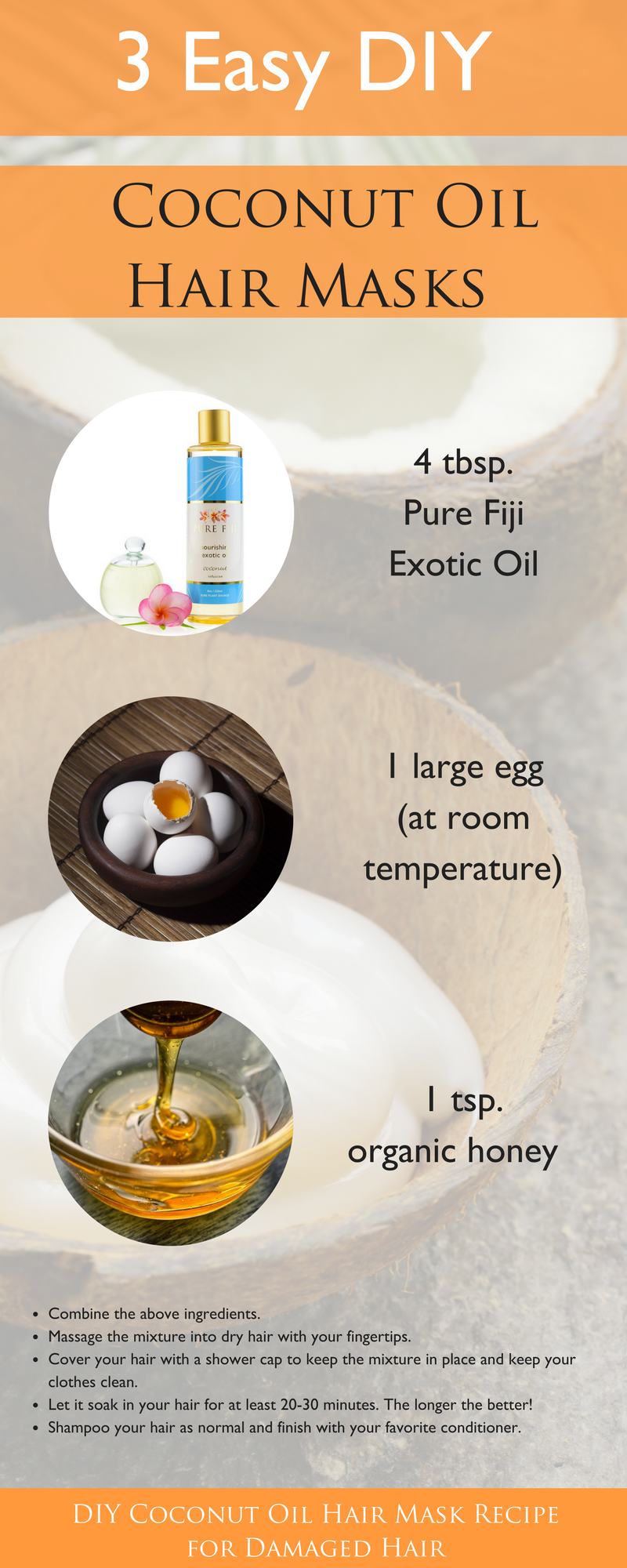
Coconut oil–based masques are best for:
- Reducing protein loss during washing
- Improving flexibility over time
- Supporting moisture retention when used correctly
The mistake happens when coconut oil is expected to deliver the same instant cosmetic result as keratin. It won’t. And it’s not meant to.
Why coconut oil “works” for some people — and fails others
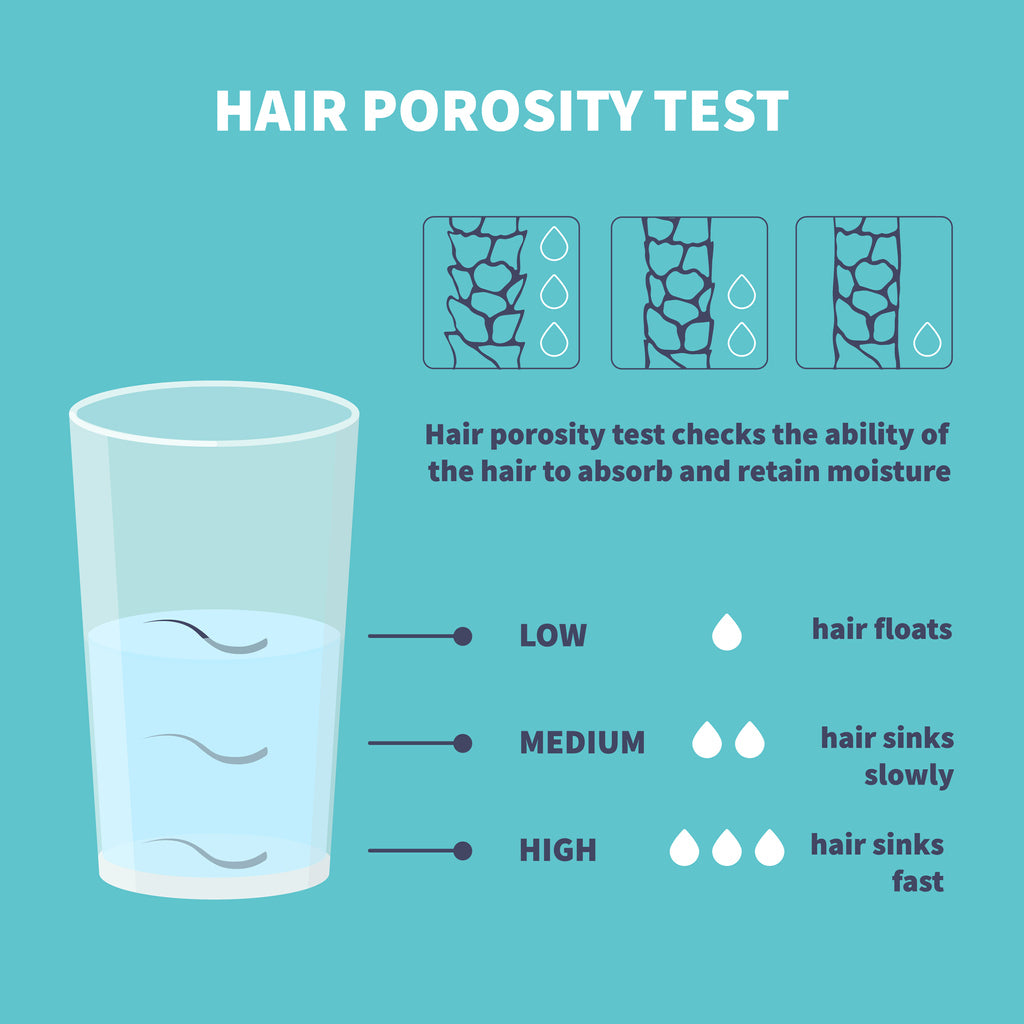
Coconut oil is a penetrating oil. It can move into the hair shaft — but only under the right conditions.
It tends to work best when:
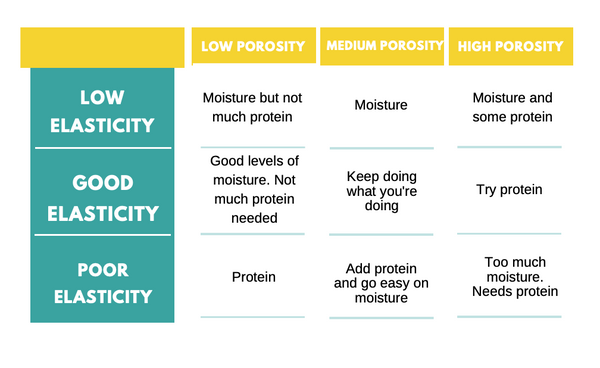
- Hair is low to medium porosity
- Hair is not already protein-overloaded
- It’s used before or after washing, not layered daily
- It’s paired with water-based moisture
It often fails when:
- Hair is high porosity and severely dry
- It’s applied on dry hair with no moisture underneath
- It’s used too frequently
- Heavy oils are layered on top repeatedly
This is why some women say coconut oil made their hair softer — while others say it made their hair feel hard and brittle.
It’s not the oil.
It’s the porosity mismatch.
The biggest mistake: using coconut oil to “undo” keratin
Coconut oil doesn’t reverse keratin.
What it does is:
- Help reduce further protein loss
- Support flexibility if moisture is present
- Prevent additional breakage when used strategically
If coconut oil is applied to hair that’s already stiff without deep conditioning, it can actually worsen the feeling of dryness.
That’s why coconut oil should never replace conditioning — it should support it.
Moisture comes from water — not oil
This is the truth many blogs skip.
- Oils seal moisture
- Conditioners add moisture
- Masques restore flexibility
When women switch from keratin to oils alone, hair often feels:
- Greasy but dry
- Coated but fragile
- Softer initially, then stiff again
The solution isn’t abandoning coconut oil — it’s using it as part of a moisture-first routine, not as the routine itself.
A smarter way to use coconut oil after keratin
If you want to include coconut oil safely:
- Use it sparingly, not daily
- Apply it to damp hair, not dry
- Focus on ends, not the scalp
- Pair it with regular deep conditioning
- Stop immediately if hair feels stiff
Consistency and moderation matter more than ingredient trends.
Why many women see better results stepping away from “treatment chasing”
Keratin promises instant smoothness.
Coconut oil promises natural repair.
Neither works if the hair is constantly pushed between extremes.
What actually restores hair health long-term is:
- Gentle cleansing
- Consistent conditioning
- Reduced manipulation
- Fewer chemical “fixes”
- Patience
When hair regains flexibility, length retention improves naturally — without chasing the next solution.
The takeaway from this section
Keratin masques smooth.
Coconut oil masques support flexibility.
Neither is magic.
Understanding why you’re using a product matters more than what you’re using.
And when you stop reacting to damage and start supporting hair health, results become predictable — not accidental.
Next, we’ll zoom out and answer the question that matters most:
What actually restores hair health long-term — beyond treatments, trends, and quick fixes?


4
SECTION 6: What Actually Restores Hair Health Long-Term (Instead of Chasing Treatments)
By this point, one thing should be clear:
Healthy hair isn’t built through treatments — it’s built through systems.
Keratin, coconut oil, masks, oils, supplements… none of them fail on their own. They fail when they’re used without a long-term framework.
Let’s talk about what actually works — especially for women in Cape Town dealing with dryness, breakage, and constant trial-and-error.
The real goal is length retention, not “fast growth”
Hair is always growing.
What most women struggle with is keeping the length they already grow.
Long-term hair health depends on:
- Flexibility (hair can bend without snapping)
- Moisture retention (hair stays hydrated between washes)
- Low breakage (ends survive daily life)
Treatments focus on appearance.
Systems focus on retention.
The 4 pillars of long-term hair health
1. Gentle, consistent cleansing
Healthy hair starts with a clean scalp — but not an aggressive one.
What works long-term:
- Sulphate-free shampoos
- Washing every 7–10 days (or as needed)
- Avoiding daily co-washing if hair feels weak
Clean scalp = better moisture absorption = stronger strands.
2. Moisture first, always
Most breakage is a moisture problem wearing a protein disguise.
Long-term moisture support means:
- Conditioning after every wash
- Deep conditioning regularly
- Using water-based products before oils
- Not skipping wash day because hair “looks fine”
Hair that stays hydrated stays flexible.
Flexible hair doesn’t break.
3. Low manipulation beats expensive products
This is where many routines collapse.
Even the best products can’t save hair that’s constantly:
- Pulled tightly
- Heat-styled often
- Over-detangled
- Tied up aggressively
What actually helps:
- Loose styles
- Minimal daily styling
- Gentle detangling
- Satin protection at night
Hair thrives when it’s left alone.
4. Fewer treatments, more patience
This is the hardest shift — and the most powerful one.
Healthy hair routines:
- Don’t change every month
- Don’t chase trends
- Don’t panic at temporary setbacks
Instead, they focus on:
- Consistency
- Observation
- Small adjustments over time
When hair is supported, it recovers — even after years of stress.
Why many women finally see results when they stop “fixing”
The moment many women step away from:
- Frequent keratin
- Constant protein
- Harsh resets
Something surprising happens.
Hair:
- Stops snapping
- Feels softer naturally
- Retains length quietly
- Becomes easier to manage without force
This isn’t magic.
It’s balance returning.
The long-term mindset shift that changes everything
Healthy hair care isn’t about asking:
“What treatment should I do next?”
It’s about asking:
“What does my hair need consistently?”
When you answer that honestly, routines simplify.
And simple routines — done consistently — outperform complex ones every time.
The takeaway from this section
If you remember nothing else, remember this:
- Treatments are optional
- Balance is essential
- Consistency beats intensity
Once hair is supported properly, you no longer need to chase solutions — results follow naturally.
Now, let’s close the loop with the questions women ask most — the ones Google keeps surfacing.
You asked, We answered— Keratin Smoothing Treatments in South Africa
Are keratin smoothing treatments safe for Afro hair in South Africa?
Keratin can be risky for Afro-textured hair because it adds rigidity to strands that already struggle with moisture retention. If used, it should be approached cautiously with strict moisture-focused aftercare and sulphate-free cleansing.
How long do keratin smoothing treatments last?
Results typically last 6–12 weeks, depending on wash frequency, shampoo type, and aftercare. Using regular shampoos shortens results and increases dryness and breakage risk.
Can keratin cause hair loss or thinning?
Keratin usually causes breakage, not hair loss from the root. Hair snaps due to reduced elasticity, which can make hair appear thinner over time.
Is at-home keratin safer than salon keratin?
Not necessarily. At-home products can still overload hair with protein if misused. Safety depends on hair history, porosity, and aftercare—not where the product is applied.
What shampoo should I use after keratin?
Always use a sulphate-free shampoo to protect moisture and prevent stiffness. Browse options here:
https://haircareshop.co.za/sulphate-free-haircare-in-cape-town/
https://haircareshop.co.za/shampoos/
Can I use coconut oil after a keratin treatment?
Yes—sparingly and on damp hair. Coconut oil supports flexibility but should never replace conditioning. Stop if hair feels stiff.
How do I reverse keratin damage?
Reduce protein products, deep condition consistently, switch to sulphate-free cleansing, limit heat and manipulation, and prioritise moisture for 4–6 weeks.
Is keratin good for dry, damaged hair?
Severely dry or damaged hair usually needs moisture first. Keratin can mask damage short-term but may worsen breakage without the right routine.
The Truth About Keratin — and the Smarter Way Forward
Keratin smoothing treatments aren’t villains — but they’re also not heroes. They’re cosmetic tools with limits, and those limits matter most for the very women who are often encouraged to rely on them.
If your hair is already strong and your goal is short-term frizz control, keratin can make sense with careful aftercare. But if your hair is dry, chemically treated, postpartum, or prone to breakage, keratin often covers problems instead of solving them.
The good news? Healthy hair doesn’t require chasing treatments.
When you prioritise:
- Gentle, sulphate-free cleansing
- Consistent conditioning and deep moisture
- Low manipulation and reduced heat
- Patience over pressure
Your hair regains flexibility. And flexible hair keeps its length.
That’s the difference between routines that look good for weeks and routines that work for years.
If you’re unsure what your hair needs right now, start simple. Choose moisture over force. Choose consistency over intensity. And give your hair time to respond.
Where to go next
- Shop moisture-first essentials: https://haircareshop.co.za/shop/
- Explore conditioners: https://haircareshop.co.za/conditioners/
- Learn more about keratin options near you:
https://haircareshop.co.za/best-keratin-for-your-hair-near-bellville/
https://haircareshop.co.za/quality-keratin-treatments-near-bellville/
WhatsApp support: https://wa.me/27676923053
Visit us: Haarlem Avenue, Belhar 7493 (within walking distance to Bellville)
Our latest and greatest
-
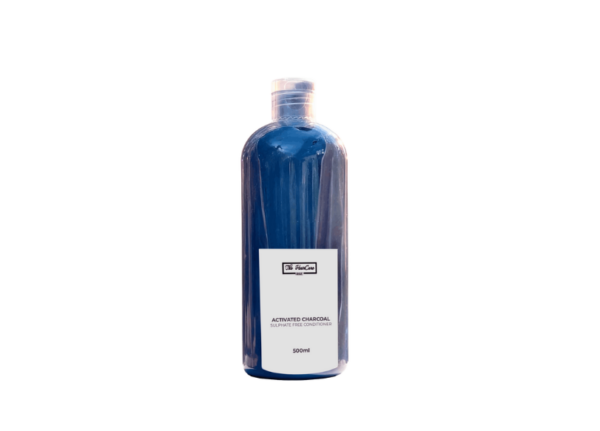
Activated Charcoal Conditioner 500ml – Hydrating Detox Treatment for Soft, Manageable Hair
R100.00 -
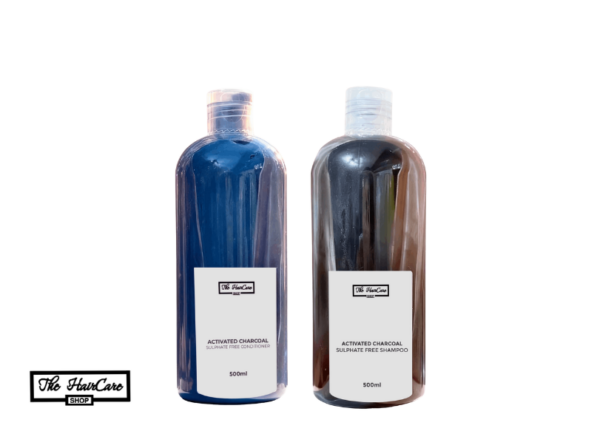
Activated Charcoal Shampoo & Conditioner Set 500ml – Ultimate Detox Duo for Clean, Revitalized Hair
R200.00 -

Activated Charcoal Shampoo 500ml – Deep Cleanse & Detox for Healthy, Revitalized Hair
R100.00 -
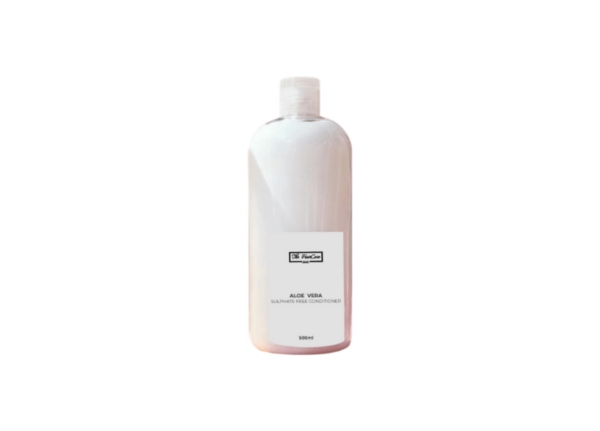
Aloe Vera Conditioner 500ml – Deeply Nourishing Treatment for Silky, Manageable Hair
R100.00 -

Aloe Vera Shampoo & Conditioner Set 500ml – Complete Hair Care System for Ultimate Hydration
R200.00