About This Post
Why This Question Matters More Than You Think
If sulphate-free shampoo really guaranteed hair growth, then anyone who switched once would have long, thick hair by now.
But that’s not what we see.
Some women swear their hair transformed after going sulphate-free. Others say, “I tried it and nothing changed.” And that confusion is exactly why this topic deserves a proper, honest breakdown — not marketing hype or one-size-fits-all advice.
The truth sits somewhere in the middle.
Sulphate-free shampoo does not magically make hair grow faster. But it can remove one of the biggest silent obstacles to hair growth: unnecessary damage during wash day.
Most hair growth frustration doesn’t come from slow follicles. It comes from hair that:
- breaks at the same length
- feels dry immediately after washing
- sheds excessively during detangling
- struggles most around the edges and hairline
And wash day plays a bigger role in this than most people realise.
For women with Afro-textured hair, relaxed hair, colour-treated hair, or sensitive scalps — especially in Cape Town’s dry, windy conditions — harsh cleansing can quietly undo weeks of good care in a single wash.
This is why sulphate-free shampoo keeps coming up in conversations about hair growth.
But here’s the part most blogs skip:
👉 Not all sulphate-free shampoos help hair growth.
👉 And sulphate-free alone is not enough.
In this guide, we’re going to answer the question properly:
- What sulphates actually do to your hair and scalp
- Why they affect some hair types more than others
- When sulphate-free shampoo helps growth — and when it doesn’t
- How to use sulphate-free shampoo correctly so it actually supports results
By the end, you’ll know whether sulphate-free shampoo is right for your hair — and how to use it in a way that supports visible growth instead of disappointment.
Let’s start with the basics.
What Are Sulphate-Free Shampoo for Hair Growth — And Why Are They in Shampoo?
Sulphates are cleansing agents. Their job is simple: remove oil, dirt, and buildup.
In shampoo, sulphates are used because they:
- create foam (the lather people associate with “clean”)
- break down oil quickly
- rinse out easily
From a chemistry point of view, they’re very effective cleaners. That’s why they’re commonly used in everything from dishwashing liquid to household detergents.
And yes — they do clean hair.
The problem isn’t that sulphates clean.
The problem is how aggressively they clean.
How Sulphates Affect the Scalp
Your scalp naturally produces oil (sebum). This oil:
- protects the skin barrier
- keeps follicles comfortable
- helps maintain a balanced scalp environment
When sulphates strip this oil too frequently, the scalp can become:
- dry or tight
- irritated or itchy
- flaky
- reactive (overproducing oil to compensate)
An irritated scalp doesn’t mean hair stops growing — but it can mean hair grows in a less supportive environment, which affects how well strands anchor and survive.
How Sulphates Affect the Hair Strand
Hair itself is not alive. It can’t repair itself.
When sulphates lift the hair cuticle aggressively:
- moisture escapes more easily
- strands become rougher
- friction during washing and detangling increases
That friction shows up later as:
- excessive shedding
- snapping ends
- thinning around the edges
This is especially noticeable in Afro-textured hair, which already has:
- natural bends and curves in the strand
- lower natural oil distribution from scalp to ends
So when people say sulphates “slow hair growth,” what they’re usually experiencing is faster breakage — not slower follicles.
Why Sulphates Still Exist in Haircare
If sulphates can be harsh, why are they still used?
Because:
- they’re cheap
- they create instant foam (which feels satisfying)
- many people equate lather with cleanliness
For some hair types — especially very oily scalps or short hair — sulphates may not cause noticeable issues. But for hair that’s dry, textured, chemically treated, or focused on length retention, the margin for damage is much smaller.
That’s where sulphate-free shampoos enter the conversation.

Do Sulphates Slow Hair Growth? The Real Answer
This is where most confusion starts — and where most blogs get it wrong.
Sulphates do not slow hair growth at the follicle.
Your hair follicles don’t suddenly stop working because you used a sulphate shampoo.
What sulphates do affect is how much of that growth you actually keep.
And that distinction is everything.
Growth Happens at the Scalp. Length Is Lost on the Strand.
Hair grows in cycles. As long as your follicles are healthy, growth continues whether you use sulphates or not.
But visible length depends on:
- how much moisture stays inside the strand
- how much friction your hair experiences
- how often strands snap before they reach shoulder length
This is why two people can grow hair at the same biological rate, but only one sees length.
Sulphates don’t attack follicles.
They increase the chances of breakage — especially over time.
Why Breakage Feels Like “Slow Growth”
Here’s what usually happens:
- Hair grows from the scalp as normal
- Harsh cleansing weakens the strand
- Ends snap during detangling or styling
- Length stays the same
- Growth gets blamed — not breakage
Because breakage happens gradually, it’s easy to miss. You don’t see hair snapping in half every day — you just notice that nothing seems to change.
This is why so many women say:
“My hair grows, but it never gets longer.”
That’s not a growth issue.
That’s a retention issue.
👉 Related read for deeper context:
https://haircareshop.co.za/daily-hair-care-for-reducing-shedding/
Why Edges Suffer First
If sulphates were truly harmless, edges wouldn’t be the first to thin.
But they are — consistently.
That’s because:
- edges are finer
- they experience more friction (scarves, wigs, hands)
- they dry out faster than the rest of the head
When harsh shampoo strips oils, edges lose protection first. Over time, that shows up as thinning temples and fragile hairlines — even while the rest of the hair seems “okay.”
This is why women trying to regrow edges often see improvement simply by switching to a gentler shampoo.
👉 Supporting read:
https://haircareshop.co.za/best-affordable-hair-growth-oil-for-thinning-edges-in-cape-town/
Why Afro-Textured & Treated Hair Is More Affected
Afro-textured hair naturally:
- has more bends and curves
- struggles to distribute oil from scalp to ends
- dries out faster
Relaxed and colour-treated hair adds another layer of vulnerability because the cuticle has already been altered.
When sulphates remove oil aggressively:
- moisture loss accelerates
- elasticity decreases
- strands snap instead of stretch
This doesn’t happen overnight — which is why people stay stuck in the cycle for months or years.
So… Does Sulphate-Free Shampoo Help Hair Growth?
It helps by removing a source of unnecessary damage.
Sulphate-free shampoo:
- cleans the scalp more gently
- preserves natural oils
- reduces friction during washing
- helps hair stay flexible
That flexibility is what allows strands to survive long enough to show length.
But — and this matters — sulphate-free shampoo is not a growth hack. It’s a damage-control tool.
Used correctly, it supports visible growth.
Used incorrectly, it can still disappoint.
And that leads to the next crucial point.
Why Sulphate-Free Shampoo Works for Some People — and Not Others
If sulphate-free shampoo truly worked for everyone, nobody would complain.
So why the mixed results?
Because formula and routine matter more than the label.
Let’s break it down.
1. Not All Sulphate-Free Shampoos Are the Same
“Sulphate-free” only tells you what’s missing — not what’s included.
Some sulphate-free shampoos:
- still cleanse too aggressively
- lack enough conditioning agents
- don’t suit dry or sensitive scalps
That’s why one person’s holy grail is another person’s disappointment.
2. Scalp Condition Is Often Ignored
Sulphate-free shampoo on a scalp with heavy buildup can feel ineffective.
If hair feels greasy at the roots and dry at the ends, it’s usually not a shampoo problem — it’s a routine problem.
Clean scalp + gentle cleansing = balance
Dirty scalp + gentle cleansing = frustration
This is why wash frequency and technique matter.
👉 Helpful guide:
https://haircareshop.co.za/transformative-haircare-routine/
3. Conditioner Is Missing (And That Breaks the System)
This is one of the biggest reasons sulphate-free shampoo “doesn’t work.”
Shampoo cleans.
Conditioner protects.
Without conditioner:
- cuticles stay raised
- moisture escapes
- detangling causes breakage
Sulphate-free shampoo needs conditioner to complete the system.
👉 Browse conditioners here:
https://haircareshop.co.za/conditioners/
4. Expecting Instant Results Leads to Switching Too Soon
Sulphate-free shampoo reduces damage — it doesn’t reverse years of breakage overnight.
Most people need:
- 3–4 weeks for reduced shedding
- 6–8 weeks for stronger strands
- 3 months for visible retention
Switching after two weeks resets progress.

Who Benefits Most From Sulphate-Free Shampoo?
(And why Cape Town hair especially responds better)
By now, it should be clear that sulphate-free shampoo isn’t a trend — it’s a fit-based solution. It works best when it matches your hair type, scalp condition, and environment.
Let’s make this practical.
1) Afro-Textured Hair (Natural or Heat-Styled)
Afro-textured hair benefits the most consistently from sulphate-free shampoo.
Why?
- Natural oils struggle to travel down curved strands
- Hair dries out faster than straight textures
- Breakage happens quietly at weak points
When harsh shampoos strip oil:
- strands lose flexibility
- detangling becomes damaging
- length disappears before it shows
Sulphate-free shampoo helps by:
- preserving natural oils
- keeping hair softer after wash day
- reducing friction during detangling
This is why many women notice less breakage first — before seeing length.
👉 Helpful read:
https://haircareshop.co.za/treatments-to-restore-thinning-afro-hair/
2) Thinning Edges & Fragile Hairlines
If your edges are thinning, shampoo choice matters more than you think.
Edges:
- are finer than the rest of your hair
- experience more friction (scarves, wigs, hands)
- dry out faster
Sulphate-free shampoo supports edge recovery by:
- reducing dryness at the hairline
- minimising friction during washing
- keeping strands flexible instead of brittle
This doesn’t regrow edges overnight — but it removes one of the biggest obstacles to recovery.
👉 Supporting read:
https://haircareshop.co.za/best-affordable-hair-growth-oil-for-thinning-edges-in-cape-town/
3) Relaxed or Colour-Treated Hair
Chemically treated hair already has a compromised cuticle.
That means:
- moisture escapes faster
- strands weaken more easily
- breakage happens sooner
Using harsh shampoo on treated hair is like washing fragile fabric with industrial detergent.
Sulphate-free shampoo helps by:
- cleaning without over-opening the cuticle
- slowing moisture loss
- making conditioner more effective
This is why relaxed and coloured hair often responds dramatically once shampoo is corrected.
👉 Related guide:
https://haircareshop.co.za/best-haircare-solution-for-relaxed-and-damaged-hair/
4) Dry, Sensitive, or Itchy Scalp
If your scalp:
- feels tight after washing
- itches without visible dandruff
- reacts to many products
…harsh cleansing is usually part of the problem.
Sulphate-free shampoo supports scalp comfort by:
- preserving the skin barrier
- reducing irritation
- preventing rebound oiliness
A calm scalp doesn’t guarantee faster growth — but an irritated one often slows visible progress.
👉 Deep dive:
https://haircareshop.co.za/war-on-dandruff-causes-treatment-and-prevention/
5) Why Cape Town Hair Responds Better to Gentle Cleansing
Environment matters more than people realise.
In Cape Town, hair is constantly exposed to:
- wind and dry air
- fluctuating temperatures
- mineral-heavy water
- frequent protective styling
All of these accelerate moisture loss.
When shampoo is harsh, these conditions compound damage. When shampoo is gentle, hair stands a fighting chance.
That’s why sulphate-free haircare consistently performs better locally — not because it’s trendy, but because it’s protective.
👉 Local resource:
https://haircareshop.co.za/sulphate-free-haircare-in-cape-town/
When Sulphate-Free Shampoo Won’t Help (Important)
Let’s be honest.
Sulphate-free shampoo won’t help if:
- conditioner is skipped
- hair is detangled dry
- products are switched every few weeks
- wash frequency is excessive
- expectations are unrealistic
Gentle cleansing is a foundation — not the entire routine.
And that leads to the most important question:
👉 How do you actually use sulphate-free shampoo so it supports hair growth instead of disappointing you?
That’s exactly what we’ll cover next — step by step.

How to Use Sulphate-Free Shampoo for Real Hair Growth Results
(The routine that makes the difference)
Sulphate-free shampoo only works when the routine supports it. Used incorrectly, it can feel underwhelming. Used correctly, it becomes one of the biggest contributors to visible growth (less breakage, better retention, healthier edges).
Here’s the simple, proven routine.
Step 1: Get the Wash Frequency Right (Less Is More)
Over-washing is one of the fastest ways to undo progress.
For most hair types aiming for growth:
- Wash every 7–10 days
- If you sweat heavily or wear protective styles, adjust gently — not aggressively
Why this matters:
- Too frequent washing strips oils (even with sulphate-free formulas)
- Too little washing allows buildup to irritate the scalp
Balanced cleansing = stable scalp = better retention.
Step 2: Focus on the Scalp, Not the Length
Shampoo is for your scalp, not your ends.
How to apply:
- Wet hair thoroughly
- Apply shampoo to the scalp only
- Massage gently with fingertips (not nails)
- Let the suds run down the length — don’t scrub ends
Scrubbing the length increases friction and breakage — the exact opposite of what you want.
Step 3: Always Follow With Conditioner (Non-Negotiable)
This is where most routines fail.
After shampoo:
- Hair cuticles are slightly raised
- Strands are vulnerable
- Moisture escapes easily
Conditioner:
- smooths the cuticle
- restores slip
- protects hair during detangling
Always:
- Apply conditioner generously
- Focus on mid-lengths and ends
- Detangle only after conditioner is in
👉 Browse conditioners:
https://haircareshop.co.za/conditioners/
Step 4: Detangle Gently — This Is Where Length Is Lost
Detangling is one of the biggest breakage points.
Best practice:
- Detangle while hair is conditioned
- Use fingers or a wide-tooth comb
- Start at the ends, work upward
- Take your time
If you rush this step, no shampoo can save the routine.
Step 5: Seal Moisture After Washing (Not Before)
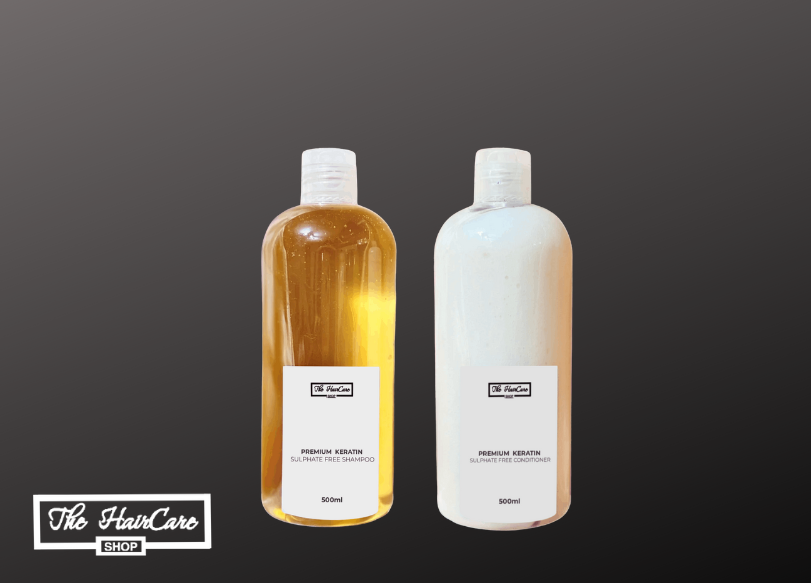
This is where oils belong — after washing and conditioning.
Oil’s role:
- Seal moisture into the strand
- Reduce friction
- Support edge care
Oil does not:
- cleanse
- hydrate
- fix harsh wash day damage
👉 Optional support:
https://haircareshop.co.za/product/premium-hair-growth-oil-100ml/
Step 6: Be Consistent for 8–12 Weeks
Growth doesn’t respond to impatience.
What to expect:
- Weeks 3–4: less shedding, softer hair
- Weeks 6–8: stronger strands, easier detangling
- Month 3: visible retention and edge improvement
Switching products too soon resets progress.
The Most Common Mistakes That Cancel Results
Avoid these if you want sulphate-free shampoo to actually work:
❌ Skipping conditioner
❌ Detangling dry hair
❌ Using heat aggressively after wash day
❌ Switching shampoos every few weeks
❌ Expecting overnight growth
Gentle consistency beats aggressive experimentation — every time.
So… Does Sulphate-Free Shampoo Really Work for Hair Growth?
Yes — when you understand what it’s doing.
Sulphate-free shampoo:
- doesn’t speed up biology
- doesn’t regrow hair overnight
What it does do is:
- remove unnecessary damage
- protect fragile strands
- support scalp balance
- allow growth to become visible
That’s real progress — and it’s sustainable.
Final Takeaway
If your hair isn’t growing the way you want, don’t ask:
“What can I add?”
Ask:
“What damage can I remove?”
For many women, correcting shampoo choice is the first — and most important — answer.
If you’re unsure which sulphate-free shampoo suits your hair type or scalp, you don’t need to guess.
📲 WhatsApp us for guidance: https://wa.me/27676923053
📍 Visit: Haarlem Avenue, Belhar 7493 (near Bellville)
You asked & We answered: Sulphate-Free Shampoo & Hair Growth
Does sulphate-free shampoo help hair grow faster?
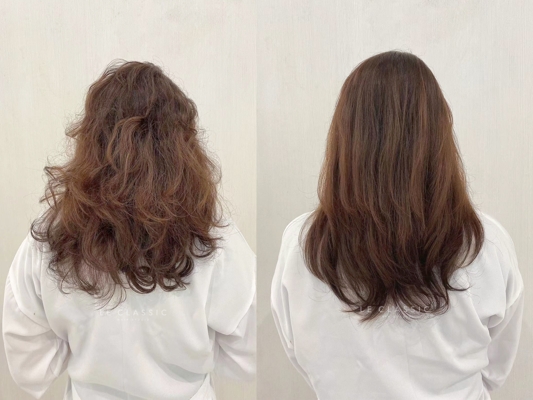
Sulphate-free shampoo doesn’t speed up hair growth biologically, but it helps reduce breakage and dryness. When hair breaks less, you retain more length—making growth appear faster.
👉 Read the full breakdown here:
Best Shampoo for Hair Growth Faster
https://haircareshop.co.za/best-shampoo-for-hair-growth-faster/
How long before I see results using sulphate-free shampoo?
Most people notice less shedding within 3–4 weeks, stronger strands by 6–8 weeks, and visible length retention around 3 months when used consistently with conditioner.
👉 Learn what timelines to expect:
https://haircareshop.co.za/how-long-does-it-take-hair-growth-oil-to-work/
Is sulphate-free shampoo better for thinning edges?
Yes. Sulphate-free shampoos are gentler on fragile hairlines and help prevent dryness and friction that worsen edge thinning.
👉 For a full growth strategy, see:
https://haircareshop.co.za/best-shampoo-for-hair-growth-faster/
Can I use sulphate-free shampoo weekly?
Yes. Most hair types benefit from washing every 7–10 days. Washing too often—even with gentle shampoo—can slow visible growth through moisture loss.
What should I use with sulphate-free shampoo for best results?
Always use conditioner after shampoo and seal moisture with a light oil. Shampoo cleans, conditioner protects, and oil seals.
👉 Full routine explained here:
https://haircareshop.co.za/transformative-haircare-routine/
Recommended product
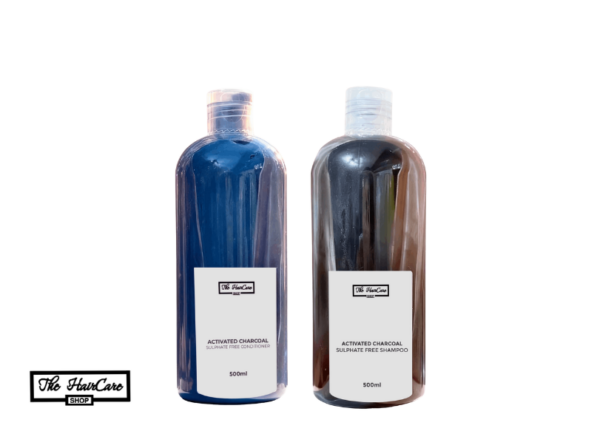
Activated Charcoal Shampoo & Conditioner Set 500ml – Ultimate Detox Duo for Clean, Revitalized Hair
Revolutionize your hair care routine with our powerful Activated Charcoal Shampoo & Conditioner Set, featuring two generous 500ml bottles that work in perfect harmony to detoxify, cleanse, and nourish. This complete detox hair care system combines deep-cleansing charcoal technology with intensive conditioning for hair that looks and feels healthier, cleaner, and more vibrant than ever.