

The Truth Most People Miss About “Slow Growth
If your hair truly wasn’t growing, you’d be bald.
That statement usually stops people in their tracks — because deep down, they know it’s true. Hair follicles don’t just switch off because a product didn’t work. Growth continues quietly, month after month. So why does it feel like nothing is happening?
Because growth and length are not the same thing.
Most women struggling with “slow growth” are actually dealing with something else entirely: length retention. Their hair grows — then breaks. Grows — then snaps. Over and over again, at roughly the same point, until it feels like the hair is stuck.
This misunderstanding costs people years.
They add oils. They add supplements. They add treatments. But they never address the silent reason length keeps disappearing: damage that happens between growth and visibility.
That’s why this article exists.
If you’ve ever said:
- “My hair grows, but it never gets longer”
- “My ends always look thin”
- “My edges won’t stay full”
- “I’m doing everything right, but nothing changes”
…this is the missing piece.
Once you understand the difference between hair growth and length retention, everything else finally makes sense — shampoo choice, conditioner use, detangling habits, even how often you wash.
And it also explains why articles like Best Shampoo for Hair Growth Faster work best when paired with a retention-first mindset. (If you haven’t read it yet, that pillar breaks down how shampoo quietly determines how much length you keep.)
Let’s start with the foundation.
Your Hair Is Growing — You’re Just Losing It
Hair growth happens at the scalp.
Length is lost on the strand.
That single distinction explains almost every “my hair won’t grow” story.
Growth Is Automatic. Retention Is Not.
As long as your scalp is healthy, hair follicles cycle through growth phases naturally. For most people, this means hair grows a small amount every month whether they notice it or not.
Retention, on the other hand, depends on:
- how fragile or strong the strand is
- how much moisture it holds
- how much friction it experiences
- how it’s handled during wash day and styling
If hair breaks at the same rate it grows, length stays the same.
That’s why time alone doesn’t solve the problem.
Why Breakage Is Often Invisible
People expect breakage to look dramatic — clumps of hair on the floor or obvious bald spots. In reality, most breakage is subtle.
It looks like:
- ends that thin instead of getting fuller
- hair that looks shorter after trims, not longer
- shedding that increases during detangling
- edges that won’t stay dense even when protected
This kind of breakage happens gradually, so it’s easy to miss — until months pass and nothing has changed.
👉 For a deeper look at shedding vs breakage, this guide helps clarify the difference:
https://haircareshop.co.za/daily-hair-care-for-reducing-shedding/
Why Ends and Edges Tell the Truth First
If you’re unsure whether you have a growth problem or a retention problem, look at:
- your ends
- your edges
These areas:
- are older hair
- are more fragile
- experience the most friction
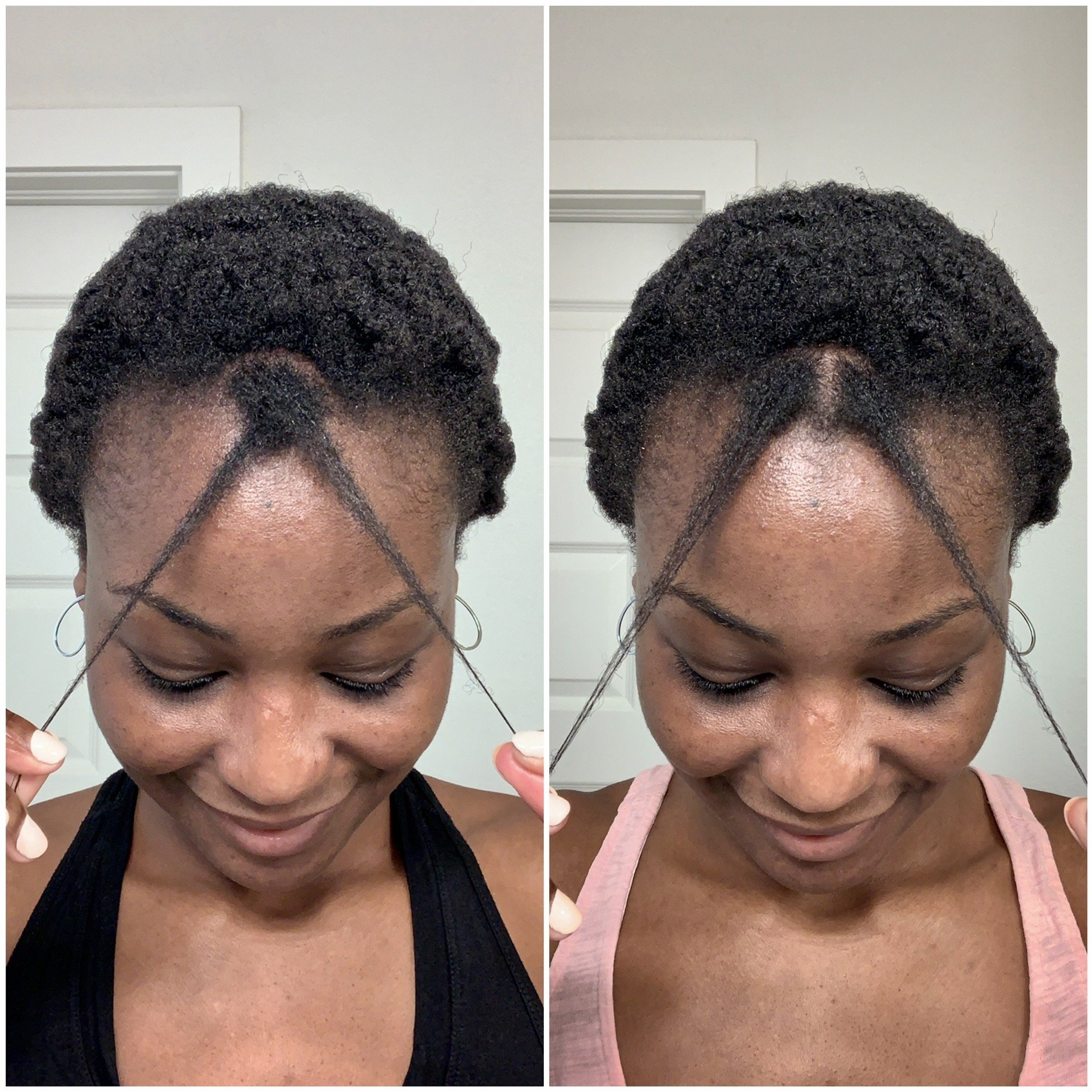
When retention is poor, ends thin first and edges weaken before the rest of the head shows obvious damage.
That’s why many women notice edge thinning long before they see overall hair loss — it’s an early warning sign of a retention issue, not a growth failure.
👉 Related reading for context:
https://haircareshop.co.za/best-shampoo-for-hair-fall-and-regrowth/
The Retention Trap: Doing “More” Instead of Doing “Less Damage”
Here’s the trap most people fall into:
When length doesn’t change, they add more products.
More oil.
More treatments.
More steps.
But if the routine still includes:
- harsh shampoo
- skipping conditioner
- dry detangling
- frequent manipulation
…then breakage continues quietly underneath.
Retention improves not when you add more, but when you remove the habits that weaken the strand.
This is why correcting shampoo choice alone often leads to visible progress. It removes one of the biggest sources of invisible damage — which is exactly what we covered in the pillar article on choosing the best shampoo for hair growth faster.
Once breakage slows, length finally has space to show.
What This Means Going Forward
If your hair feels stuck, don’t ask:
“How do I make it grow?”
Ask:
“What’s causing it to break before I see the growth?”
That question changes everything.
In the next section, we’ll expose the everyday habits that quietly destroy length retention — especially during wash day — and why fixing them makes more difference than any miracle product ever could.
The Invisible Ways Hair Breaks (Even When You’re Careful)
Most people don’t break their hair on purpose.
Breakage usually happens during ordinary, well-intentioned routines—the kind that feel harmless because they’re familiar. That’s why it’s so frustrating: you think you’re being careful, yet length still disappears.
Here’s where retention quietly gets destroyed.
1) Wash Day Damage (The Biggest Culprit)
Wash day sets the tone for everything that follows. When it goes wrong, the rest of the week can’t undo it.
Common wash-day mistakes that cause invisible breakage:
- Using shampoo that leaves hair squeaky or rough
- Scrubbing the length instead of the scalp
- Washing too frequently
- Skipping conditioner “just this once”
Hair is weakest when it’s wet and freshly cleansed. If shampoo strips moisture or roughens the cuticle, strands lose elasticity. Instead of stretching, they snap—often during detangling, not immediately in the shower.
This is why correcting shampoo choice alone often leads to noticeable improvement. Gentle cleansing removes dirt without creating new damage, which is exactly why the pillar article on the best shampoo for hair growth faster focuses so heavily on wash-day foundations.
2) Detangling at the Wrong Time
Detangling isn’t the problem.
When and how you detangle is.
High-breakage habits include:
- Detangling dry hair
- Detangling before conditioner
- Using fine-tooth combs on fragile ends
- Rushing through knots
Hair needs slip to survive detangling. Without it, each tug creates micro-breaks that don’t look dramatic—but add up over weeks.
Best practice for retention:
- Shampoo → condition → detangle gently
- Start from the ends, work upward
- Use fingers or a wide-tooth comb
This single change can dramatically reduce daily breakage.
For a step-by-step routine that protects length, this guide helps:
https://haircareshop.co.za/transformative-haircare-routine/
3) Skipping Conditioner (A Silent Length Killer)
Skipping conditioner is one of the fastest ways to stay stuck at the same length.
After shampoo:
- the cuticle is raised
- moisture escapes easily
- strands are vulnerable to friction
Conditioner:
- smooths the cuticle
- restores flexibility
- protects hair during detangling
Without it, even gentle handling can cause snapping—especially at the ends.
If your goal is length, conditioner is not optional. It’s length insurance.
👉 Explore conditioners that support retention:
https://haircareshop.co.za/conditioners/
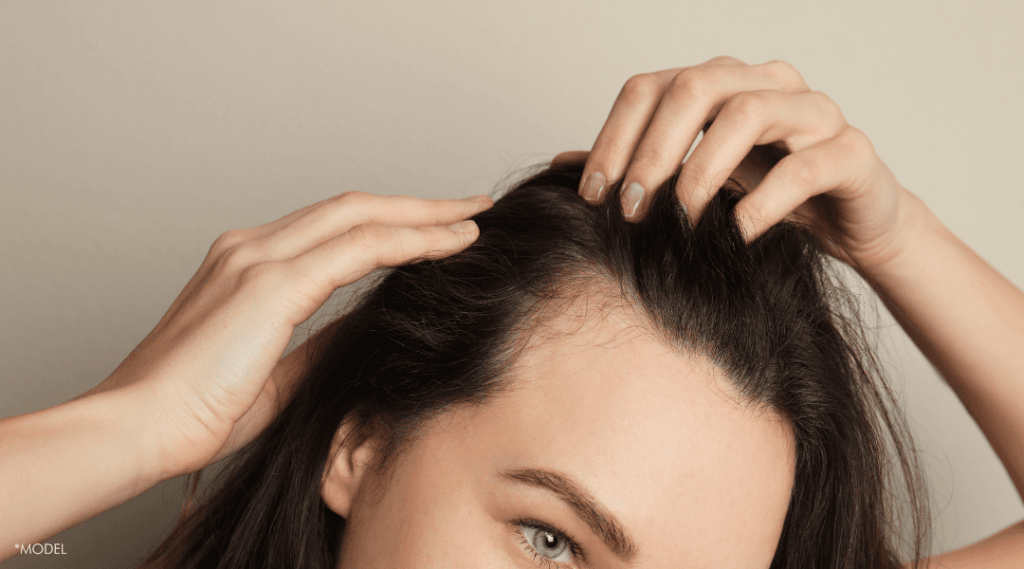
4) Friction From “Protective” Styling
Protective styles only protect when they’re truly low-tension.
Hidden friction sources include:
- tight braids or cornrows
- rough wigs and scarves
- repeated pulling at the hairline
- styles that dry hair out over time
When edges thin first, it’s often not because growth stopped—it’s because friction stayed constant.
Retention means:
- reducing tension
- moisturising regularly
- choosing styles that don’t pull at the same points repeatedly
This is especially important if you’re actively trying to recover thinning edges.
5) Product Switching That Resets Progress
This one surprises people.
When length doesn’t show, the instinct is to switch products. But frequent switching:
- prevents hair from stabilising
- makes it hard to identify what’s working
- often reintroduces harsh formulas
Retention requires consistency. Hair needs time to respond to reduced damage.
Most routines need:
- 3–4 weeks to reduce shedding
- 6–8 weeks to strengthen strands
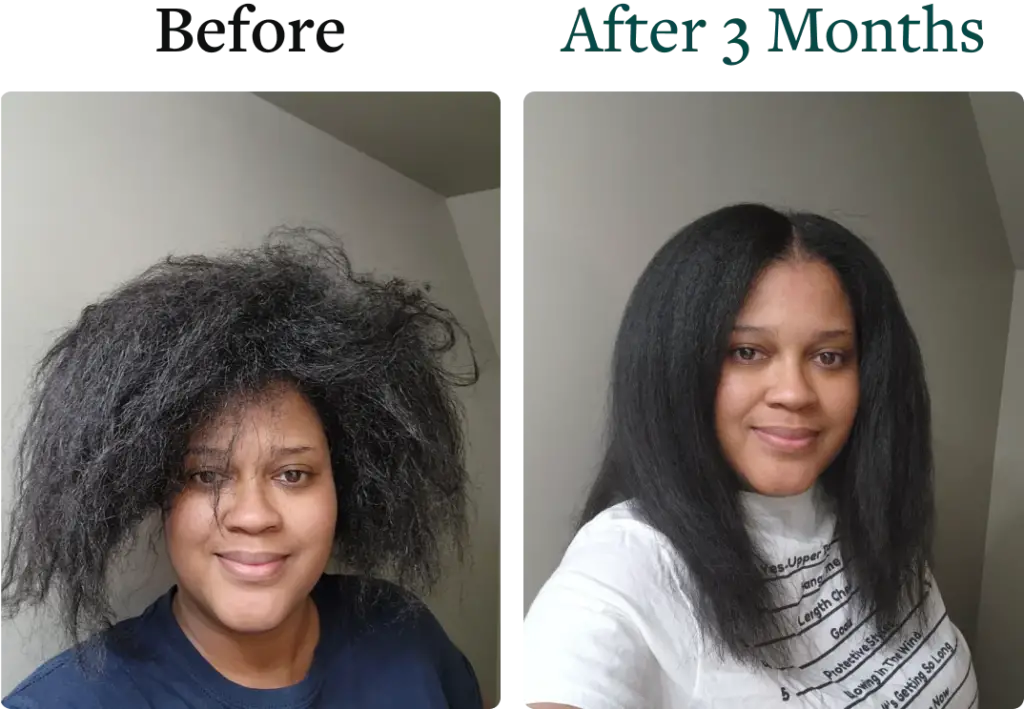
- ~3 months to show visible retention
Switching before that timeline keeps you in the same loop.
The Big Takeaway From Section 2
Length loss isn’t usually caused by one dramatic mistake.
It’s caused by small, repeated habits that weaken hair a little at a time.
When you:
- cleanse gently
- condition consistently
- detangle with slip
- reduce friction
- stop resetting your routine
…retention improves naturally.
And once retention improves, growth finally becomes visible.
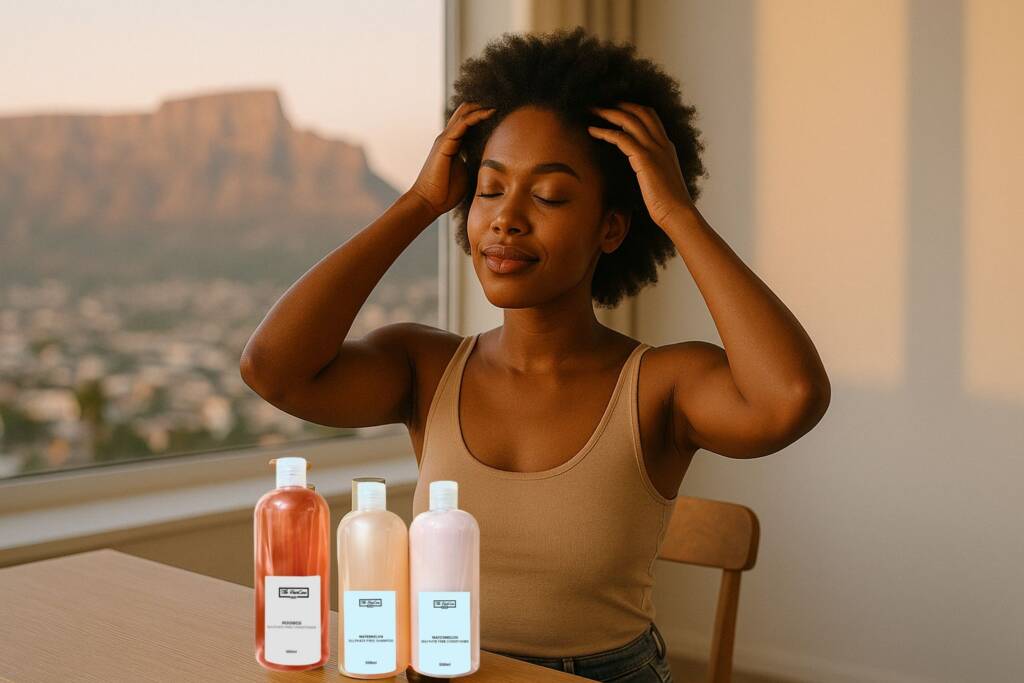
Why Shampoo Determines Length Retention (More Than Oils or Treatments)
If there’s one habit that quietly decides whether your hair keeps length or keeps breaking, it’s how you cleanse.
Not how often you oil.
Not how many treatments you try.
How you shampoo.
Shampoo Sets the “Damage Ceiling” for Everything Else
Think of wash day as the moment your hair is most vulnerable. Hair is wet, the cuticle is open, and friction matters more than at any other time.
If shampoo:
- strips natural oils
- roughens the cuticle
- irritates the scalp or hairline
…then conditioner and treatments are forced to repair damage that didn’t need to happen in the first place.
That’s why people feel like products “don’t work.” They’re trying to fix a problem that starts earlier in the routine.
This is the core idea behind our pillar guide on choosing the best shampoo for hair growth faster—because the right shampoo doesn’t create growth, it prevents length loss:
https://haircareshop.co.za/best-shampoo-for-hair-growth-faster/
Oils Seal. Treatments Strengthen. Shampoo Decides Survival.
Oils are great at sealing moisture.
Treatments help with strength and softness.
But neither can undo wash-day friction.
When shampoo is too harsh:
- strands lose elasticity
- hair snaps during detangling
- ends thin faster than they can grow
This is why people who oil faithfully still feel stuck. Oil is sealing hair that was already weakened.
Once shampoo stops causing damage, oils and treatments suddenly feel more effective—because they’re no longer compensating for loss.
The Cuticle Connection (Why “Squeaky Clean” Is a Red Flag)
That squeaky-clean feeling many people chase is actually the sound of raised cuticles rubbing together.
Raised cuticles mean:
- more friction
- more tangles
- faster moisture loss
A retention-friendly shampoo leaves hair:
- clean but soft
- flexible, not stiff
- easy to detangle once conditioned
This is why sulphate-free formulas often outperform harsh cleansers for length goals—especially for Afro-textured, relaxed, or colour-treated hair.
For a deeper dive into gentle cleansing locally, see:
https://haircareshop.co.za/sulphate-free-haircare-in-cape-town/

Why the Hairline and Ends Expose Shampoo Problems First
If shampoo is the issue, you’ll see it here first:
- thinning edges
- dry temples
- wispy ends
These areas are:
- older hair
- finer strands
- exposed to more friction
When shampoo strips oils, the hairline loses protection before the rest of the head does. Over time, that shows up as thinning—even if growth is still happening at the scalp.
That’s why many edge-recovery routines start with correcting shampoo choice before adding oils:
https://haircareshop.co.za/best-affordable-hair-growth-oil-for-thinning-edges-in-cape-town/
What a Retention-Friendly Shampoo Actually Does
A shampoo that supports length retention will:
- cleanse the scalp gently
- preserve natural oils
- keep the cuticle smoother
- prepare hair to absorb conditioner
This creates a chain reaction:
- easier detangling
- less snapping
- fuller ends over time
You don’t need more steps—you need fewer sources of damage.
How This Changes Your Routine (In Practice)
If you’ve been focused on growth products, flip the script:
- Fix shampoo first
- Condition every wash day
- Detangle with slip
- Seal moisture after
That sequence removes the biggest obstacle to retention.
If you want a simple, step-by-step routine that protects length, this guide breaks it down clearly:
https://haircareshop.co.za/transformative-haircare-routine/
Conditioner = Length Insurance (Why Skipping It Keeps You Stuck)
If shampoo sets the damage ceiling, conditioner decides whether length survives.
This is the part most routines get wrong—not because people don’t own conditioner, but because they underestimate what it actually does. Conditioner isn’t a “nice-to-have.” It’s the step that turns cleansing into retention.
Why Hair Breaks Right After Washing
After shampoo, the hair cuticle is slightly raised. That’s normal. What matters is what you do next.
Without conditioner:
- moisture escapes quickly
- strands feel rough and tangled
- friction skyrockets during detangling
That friction is where length disappears—quietly, strand by strand.
Conditioner’s job is simple and powerful:
- smooth the cuticle
- restore slip
- increase elasticity
Elastic hair bends. Dry hair snaps.
“My Hair Feels Soft Without Conditioner”—Why That’s Misleading
Some shampoos leave hair feeling temporarily soft. That doesn’t mean the cuticle is protected. Softness without cuticle smoothing is short-lived; it vanishes during detangling and styling.
The test is this:
If your hair tangles easily or snaps during detangling, conditioner wasn’t optional—it was missing.
The Conditioner–Detangling Connection
Most breakage happens after washing, not during it. Detangling without slip turns knots into break points.
Retention-friendly detangling looks like this:
- Shampoo (scalp-focused)
- Condition generously
- Detangle with conditioner in the hair
- Start at the ends; work upward
- Take your time
This one change can reduce breakage dramatically—often more than adding any new product.
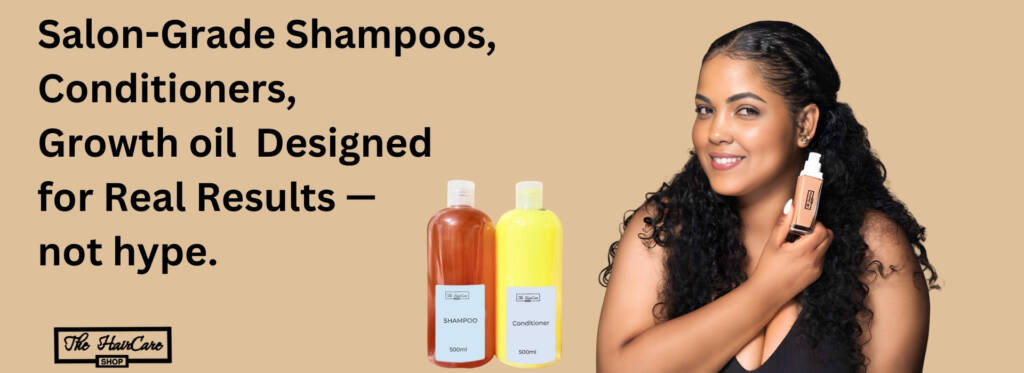
Why Matched Sets Work Better
When shampoo and conditioner are formulated to work together:
- cleansing doesn’t over-roughen the cuticle
- conditioner seals what shampoo exposed
- hair stays smoother for longer
Random mixing can work—but matched sets remove guesswork and speed up results because each step prepares the next.
“I Use Conditioner Sometimes”—Why Consistency Matters
Length retention doesn’t respond to occasional care. It responds to patterns.
Skipping conditioner “just this once” adds up because:
- each skip increases friction
- friction compounds over weeks
- ends thin before you notice
If your goal is length, conditioner must be every wash day. No exceptions.
The Retention Mindset Shift
Stop asking:
“Is this conditioner strong enough?”
Start asking:
“Does this conditioner make detangling easy and reduce breakage?”
If the answer is yes, it’s doing its job.
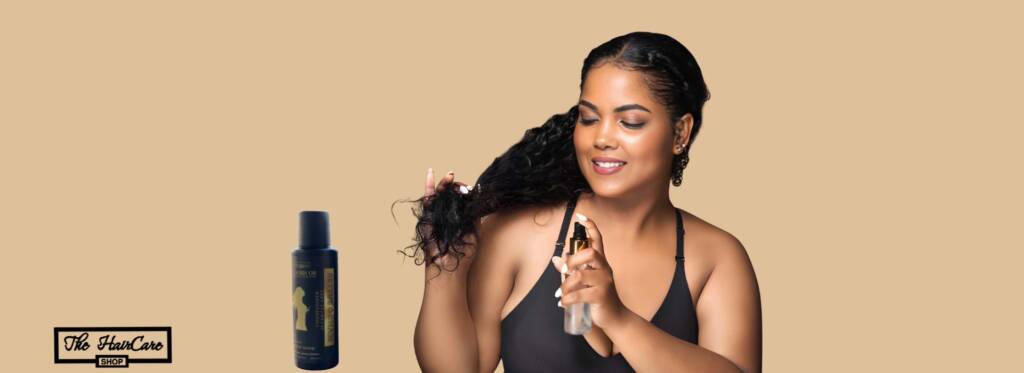
Oils Don’t Grow Hair — They Protect Length (Here’s How to Use Them Right)
Hair oils have one of the biggest reputation problems in haircare.
Some people swear by them.
Others say they did nothing.
Both experiences can be true — because oils are often used for the wrong job.
The Biggest Oil Myth That Keeps People Stuck
Oils do not grow hair.
They don’t:
- speed up follicles
- create new strands
- fix damage caused by harsh wash days
What oils do extremely well is protect the hair you already have.
When used correctly, oils:
- seal moisture inside the strand
- reduce friction and dryness
- protect fragile ends and edges
- support scalp comfort
That protection is what allows growth to become visible.
Why Oil “Worked” for Some People (And Not Others)
When people say oil made their hair grow, what usually happened is this:
- breakage reduced
- moisture stayed in longer
- strands stopped snapping as easily
Growth didn’t change — retention did.
But when oil is used on top of a weak foundation (harsh shampoo, no conditioner), it only masks the problem temporarily. Once wash day comes around again, the cycle resets.
That’s why oil works best after shampoo and conditioner are already doing their job.
👉 For realistic timelines, see:
https://haircareshop.co.za/how-long-does-it-take-hair-growth-oil-to-work/
The Correct Order (This Matters More Than the Oil Itself)
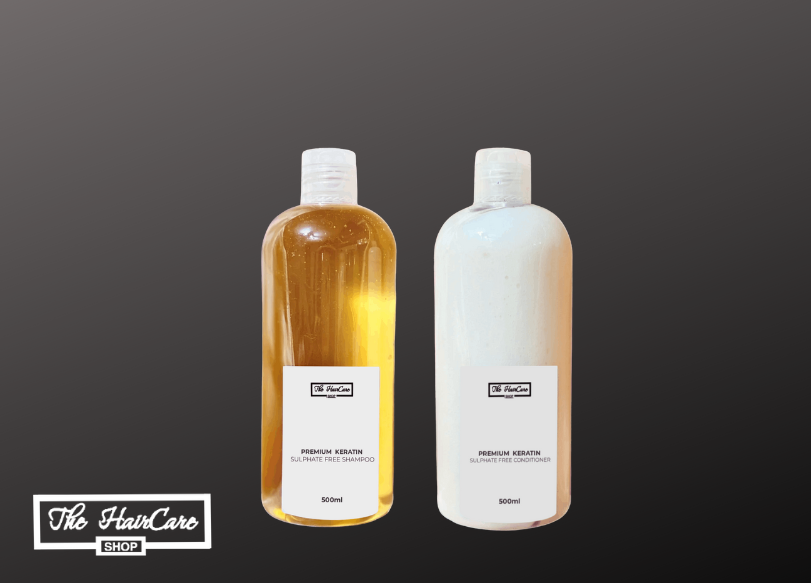
If you remember only one thing from this section, remember this order:
- Shampoo – cleans the scalp
- Conditioner – protects the strand
- Oil – seals moisture in
Oil before washing = pointless.
Oil without conditioner = incomplete.
Oil is the lock, not the key.
How to Use Oil Without Slowing Growth
For the scalp (optional):
- Apply lightly, not daily
- Best after wash day or on a moisturised scalp
- Massage gently — no aggressive rubbing
For the ends (recommended):
- Apply a small amount after moisturising
- Focus on ends and edges
- Reapply lightly between washes if needed
Too much oil can attract dirt and buildup, which leads to itchy scalp and dull hair — the opposite of what you want.
Why Edges Respond So Well to Oil (When Used Correctly)
Edges are:
- finer
- drier
- more exposed to friction
Oil helps by:
- reducing dryness
- lowering friction from scarves, wigs, and hands
- keeping strands flexible instead of brittle
This is why oil is often part of edge recovery routines — but only when the rest of the routine is supportive.
👉 Related guide:
https://haircareshop.co.za/best-affordable-hair-growth-oil-for-thinning-edges-in-cape-town/
The Takeaway From Section 5
Oil isn’t a growth shortcut.
It’s a length protector.
Used correctly, oil:
- amplifies a good routine
- supports retention
- helps growth show up faster
Used incorrectly, it creates buildup and frustration.
Once shampoo, conditioner, and oil are working together, the last piece of the puzzle is understanding how long retention takes to show — and why patience beats constant switching.
How Long Length Retention Takes to Show (And Why Switching Resets Progress)
One of the biggest reasons people feel like nothing is working is simple: they quit too early.
Not because the routine failed — but because retention works quietly before it works visibly.
The Retention Timeline (What Progress Actually Looks Like)
When you correct the foundation (gentle shampoo, consistent conditioning, proper oil use), hair doesn’t suddenly jump in length. It stabilises first.
Here’s the realistic timeline most people experience:
Weeks 2–4
- Less shedding during wash day
- Hair feels softer and more flexible
- Detangling becomes easier
Weeks 6–8
- Noticeably less breakage
- Ends feel fuller instead of wispy
- Hair holds moisture longer
Around 3 months
- Visible length retention
- Edges feel less fragile
- Hair finally looks “healthier” overall
This is why patience matters. Retention shows up before length.
Why Constant Switching Keeps You Stuck
Every time you change products too quickly, you reset the process.
Switching:
- reintroduces harsh formulas
- prevents the scalp from stabilising
- makes it impossible to identify what’s actually helping
Hair needs consistency to respond. When routines change every few weeks, breakage never fully slows — and growth never gets a chance to show.
This is also why people feel like “nothing works.” Something was working — it just didn’t get enough time.
The Retention-First Mindset (The Real Breakthrough)
Instead of asking:
“What new product should I try?”
Ask:
“What damage can I remove and stop repeating?”
Retention improves when:
- shampoo stops stripping
- conditioner is never skipped
- detangling is gentle
- oil seals instead of compensates
- routines stay consistent
This mindset shift alone saves people years of frustration.
If you haven’t already, this pillar guide ties everything together clearly:
👉 Best Shampoo for Hair Growth Faster
https://haircareshop.co.za/best-shampoo-for-hair-growth-faster/
Final Thoughts: Why Retention Changes Everything
Hair growth was never the enemy.
Breakage was.
Once you stop the small, repeated habits that quietly destroy length, growth becomes visible without forcing it. Shampoo becomes gentler. Conditioner becomes protective. Oil becomes supportive — not desperate.
Length isn’t built by chasing miracles.
It’s built by protecting what you already grow.
If you’re unsure where to start or want help choosing products that suit your hair type and routine, you don’t have to guess.
📲 WhatsApp us for guidance: https://wa.me/27676923053
📍 Visit us: Haarlem Avenue, Belhar 7493 (near Bellville)
FAQ: Hair Growth vs Length Retention
Is my hair actually growing if it never gets longer?
Yes. If your hair wasn’t growing, you’d be bald. In most cases, hair grows normally at the scalp but breaks along the strand before length becomes visible. This is a length retention issue, not a growth failure.
👉 Learn how shampoo affects visible growth here:
https://haircareshop.co.za/best-shampoo-for-hair-growth-faster/
What causes hair to break before it gets long?
The most common causes are harsh shampoo, skipping conditioner, dry detangling, excessive friction from styling, and frequent product switching. These habits weaken the strand little by little until growth is lost through breakage.
👉 See how wash day plays a role:
https://haircareshop.co.za/daily-hair-care-for-reducing-shedding/
Can changing shampoo really help length retention?
Yes. Shampoo determines how much damage happens during wash day. Gentle, sulphate-free shampoos reduce moisture loss and friction, allowing hair to stay flexible and break less over time.
👉 Full guide:
https://haircareshop.co.za/sulphate-free-haircare-in-cape-town/
Why do my edges thin even though the rest of my hair seems fine?
Edges are finer, older hair and experience more friction. When retention is poor, edges show damage first. Improving shampoo choice, conditioning consistently, and reducing friction can help edges recover.
👉 Related read:
https://haircareshop.co.za/best-affordable-hair-growth-oil-for-thinning-edges-in-cape-town/
How long does it take to see length retention results?
Most people notice reduced shedding within 3–4 weeks, stronger strands by 6–8 weeks, and visible length retention around 3 months when the routine stays consistent.
👉 Timeline explained in detail here:
https://haircareshop.co.za/how-long-does-it-take-hair-growth-oil-to-work/
What’s the simplest routine to improve length retention?
Start with:
Gentle shampoo (focused on the scalp)
Conditioner every wash day
Detangling only with slip
Light oil to seal moisture
Consistency for at least 8–12 weeks
👉 Step-by-step routine:
https://haircareshop.co.za/transformative-haircare-routine/
Should I focus on growth products or retention first?
Retention first. Once breakage slows, growth becomes visible naturally. Growth products work best after the routine stops causing damage.
👉 Start with the foundation:
https://haircareshop.co.za/best-shampoo-for-hair-growth-faster/
Recommended product
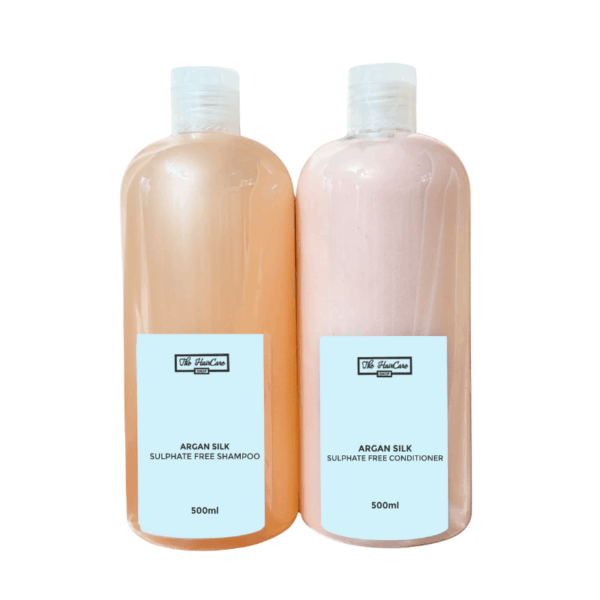
Argan Silk Sulphate-Free Shampoo & Conditioner Set
Transform your daily hair routine into a luxury spa ritual. Experience the complete power of Moroccan argan oil and silk protein technology working in perfect harmony.
Discover why the complete Argan Silk system is the choice of beauty professionals worldwide. Order your luxury duo today and experience the difference true quality makes – your hair will never be the same.
Ready to Transform Your Hair?
Salon-grade, sulphate-free products delivered to your door
Same-day delivery in Cape Town | Free shipping on orders over R500