

Understanding Hair Fall and How the Right Shampoo Can Help
Finding clumps of hair in your shower drain. Pulling strands from your brush that seem to multiply every day. Watching your ponytail get thinner month after month. Excessive hair fall is one of the most distressing hair concerns women face — and for South African women dealing with hard water, heat, chemical treatments, and stress, it’s more common than most people realise.
Here’s the thing most women don’t know: your shampoo could be making hair fall worse. The wrong shampoo strips your scalp of protective oils, weakens the hair shaft at the root, and creates an inflammatory environment that pushes follicles into the shedding phase prematurely. The best shampoo for hair fall and regrowth does the opposite — it strengthens, nourishes, and creates the conditions your follicles need to hold onto hair longer.
This guide covers everything you need to know about choosing an anti-hair fall shampoo that actually works, including what causes excessive shedding, which ingredients to look for, and how to build a complete routine that stops hair fall at the source.

Normal Shedding vs Excessive Hair Fall
Every person sheds between 50 and 100 hairs per day as part of the normal hair growth cycle. These are hairs that have completed their growth phase and are being naturally replaced by new growth. Normal shedding shouldn’t cause any visible thinning or concern.
Excessive hair fall is different. You’re dealing with excessive shedding when you notice more hair than usual in your brush, on your pillow, or in the drain. Your parting may look wider, your ponytail thinner, or you might see more scalp than before. This type of shedding — called telogen effluvium when it’s acute — means something is pushing more follicles into the resting and shedding phases than normal.
Signs your shedding is excessive: more than 100 hairs per day consistently, visible thinning at the crown or temples, a widening part line, hair feeling thinner overall when you gather it in a ponytail, or noticing more scalp than you used to see.
Common Causes of Hair Fall in South African Women
Sulphate damage. Sodium lauryl sulphate and sodium laureth sulphate — found in most conventional shampoos — strip the scalp’s natural oils, inflame follicles, and weaken the hair shaft at its weakest point: the root. Over time, this chronic irritation pushes more follicles into the shedding phase. Switching to sulphate-free shampoo is often the single most impactful change a woman can make for hair fall.
Hard water. Cape Town and many other South African cities have mineral-heavy water that deposits calcium and magnesium on the hair and scalp. These deposits block follicle openings, interfere with nutrient absorption, and create a dry, irritated scalp environment that accelerates shedding.
Hormonal changes. Pregnancy, postpartum recovery, menopause, thyroid imbalances, and PCOS all affect the hair growth cycle. Hormonal hair fall typically presents as diffuse thinning rather than patchy loss, and often requires both internal treatment and supportive external care.
Traction and styling damage. Tight braids, weaves, extensions, and high ponytails create constant tension on the follicle. Over time, this traction causes follicles to weaken and eventually stop producing hair altogether. Traction-related hair fall is particularly common along the hairline and temples.
Nutritional deficiencies. Iron, vitamin D, zinc, and biotin deficiencies all contribute to excessive shedding. These deficiencies are common in South African women and can be identified through simple blood tests.
Stress. Physical or emotional stress triggers a condition called telogen effluvium, where large numbers of follicles simultaneously enter the resting phase. The shedding typically begins 2-3 months after the stressful event and can last several months before resolving.

What Makes an Anti-Hair Fall Shampoo Effective
Not all “anti-hair fall” shampoos are created equal. Many commercial products make bold claims on the label while containing the very sulphates that contribute to shedding. An effective anti-hair fall shampoo needs three qualities: it must be gentle enough to not cause further damage, it must contain ingredients that actively strengthen the hair shaft and support the scalp, and it must be sulphate-free.
Key Ingredients to Look For
Keratin. Your hair is made of keratin protein. When the keratin structure is damaged by chemicals, heat, or environmental stress, the hair becomes weak and breaks easily. Keratin-infused shampoos deposit protein back into the damaged areas, reinforcing the shaft from within. The Premium Keratin Shampoo and Conditioner Set delivers concentrated keratin with every wash, progressively strengthening hair that’s prone to breakage and fall.
Tea tree oil. When hair fall is accompanied by scalp itching, flaking, or irritation, the underlying inflammation needs to be addressed. Tea tree oil is a proven natural antifungal and anti-inflammatory that calms the scalp environment and eliminates the microbial imbalances that contribute to follicle stress. The Tea Tree Sulphate-Free Shampoo and Conditioner Set delivers therapeutic-grade tea tree in a gentle, sulphate-free base.
Rooibos extract. Rich in antioxidants, zinc, and alpha-hydroxy acids, rooibos supports scalp cell renewal and reduces oxidative stress on follicles. Its anti-inflammatory properties make it particularly effective for women whose hair fall is related to scalp sensitivity or irritation. The Rooibos Shampoo and Conditioner Set harnesses this uniquely South African ingredient.
Aloe vera. Aloe’s enzymes dissolve dead cells that clog follicles while maintaining the scalp’s optimal pH. For women with sensitive scalps that react to most products, the Aloe Vera Shampoo and Conditioner Set provides the gentlest possible cleansing while supporting a healthy growth environment.

Building a Complete Anti-Hair Fall Routine
Shampoo alone won’t stop hair fall — but it’s the foundation that everything else builds on. Here’s a complete routine designed to address hair fall from every angle:
Phase 1: Stop the Damage (Weeks 1-4)
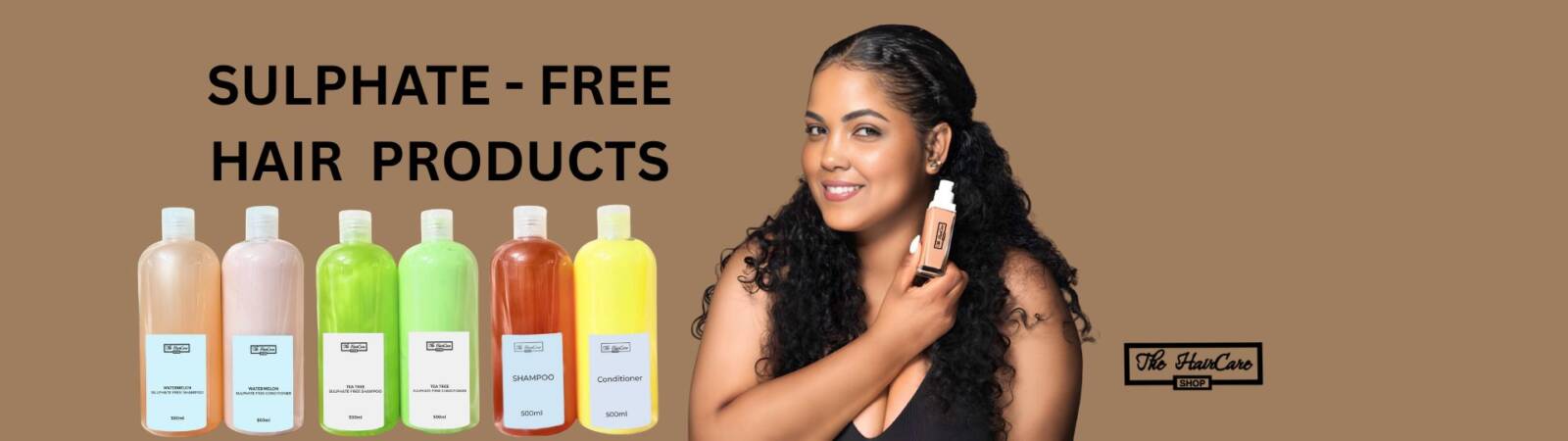
Switch to a sulphate-free shampoo from The Haircare Shop’s range. Choose based on your primary concern: keratin for strength, tea tree for scalp health, rooibos for sensitivity, or aloe vera for gentle hydration. Wash 2-3 times per week — over-washing strips oils and increases shedding.
Stop all tight hairstyles that create traction. Switch to silk or satin pillowcases to reduce friction while sleeping. Handle wet hair gently — it’s at its most fragile when wet.
Phase 2: Strengthen and Nourish (Weeks 4-8)
Add the Premium Hair Growth Oil to your routine. Massage into the scalp 3-4 times per week for 3-5 minutes. The massage increases blood flow to follicles while the oil’s active ingredients nourish the growth zone. Apply the Keratin Silk Masque weekly to rebuild protein in weakened strands.
Phase 3: Maintain and Protect (Ongoing)
By week 8-12, you should notice significantly less shedding. Continue your routine consistently — hair fall management is ongoing, not a one-time fix. Consider getting blood work done to rule out nutritional deficiencies. Manage stress actively, as cortisol directly impacts the hair growth cycle.

When to See a Doctor About Hair Fall
While most hair fall responds to improved care and the right products, some situations require medical attention. See a doctor or dermatologist if you experience sudden, dramatic shedding (large clumps rather than gradual thinning), bald patches, scalp pain or burning, hair fall accompanied by other symptoms like fatigue or weight changes, or if improved care hasn’t reduced shedding after 3-4 months.
A doctor can test for thyroid issues, iron deficiency, hormonal imbalances, and autoimmune conditions that cause hair loss. Getting a diagnosis doesn’t mean your home care routine is wasted — it means you’re addressing the problem from both inside and outside simultaneously.
Frequently Asked Questions
How quickly will an anti-hair fall shampoo show results?
Most women notice reduced shedding within 2-4 weeks of switching to a sulphate-free anti-hair fall shampoo. Visible improvement in hair density takes longer — typically 3-6 months — because new growth needs time to come in and reach noticeable length. Consistency is the key factor in seeing results.
Can shampoo alone stop hair fall?
Shampoo addresses the external factors contributing to hair fall — scalp health, follicle environment, and hair shaft strength. If your hair fall has internal causes (hormonal, nutritional, medical), shampoo alone won’t fully resolve it. However, switching to the right shampoo removes one of the most common aggravating factors and creates the best possible environment for other treatments to work.
Is some hair fall normal after washing?
Yes. Hair that was already in the shedding phase gets loosened during washing and comes out all at once, which can look alarming. This is normal. If you wash every 2-3 days, you might see 150-200 hairs in the shower — that’s roughly 2-3 days’ worth of normal shedding concentrated into one wash session. Worry when the amount you’re losing consistently increases over time.
Take Action Against Hair Fall
Hair fall doesn’t have to be something you accept. The right products, applied consistently, can dramatically reduce shedding and create the conditions your follicles need to produce stronger, longer-lasting hair. Every woman’s hair fall has a cause — and once you address that cause while supporting your hair externally, the results follow.
Recommended Reading
→ Best Hair Growth Oil in South Africa — What Actually Works in 2026
→ Hair Loss Treatment for Women in South Africa — What Actually Helps
→ Thinning Edges — How to Regrow and Repair Your Hairline Naturally
📦 Nationwide delivery across South Africa | 🚚 Fast shipping from Cape Town
Concerned about hair fall? Contact us — we’ll help you find the right approach for your hair.
Ready to Transform Your Hair?
Salon-grade, sulphate-free products delivered to your door
Same-day delivery in Cape Town | Free shipping on orders over R500