Understanding Female Hair Loss and Finding What Actually Works
Finding more hair in your brush than usual. Noticing your parting getting wider. Seeing your scalp through what used to be thick, full hair. Female hair loss is more common than most women realise — and it’s one of the most emotionally devastating beauty concerns a woman can face. It affects your confidence, your self-image, and the way you move through the world.
The good news? Most female hair loss is treatable. The key is understanding what’s causing it, catching it early, and using the right combination of treatments. This guide covers the real, evidence-based hair loss treatments available to South African women — from daily topical solutions to professional options, and everything in between.

Why Women Lose Hair — The Common Causes
Female hair loss rarely has a single cause. Understanding what’s behind your thinning is the first step to choosing the right treatment.
Hormonal changes. Pregnancy, postpartum, menopause, thyroid imbalances, and polycystic ovary syndrome (PCOS) all trigger hormonal fluctuations that directly affect the hair growth cycle. Hormonal hair loss typically presents as diffuse thinning across the entire scalp rather than specific bald patches.
Traction alopecia. This is particularly common among South African women who wear tight braids, weaves, cornrows, or ponytails. The constant pulling damages follicles at the hairline and temples, causing progressive thinning that can become permanent if the tension continues.
Nutritional deficiencies. Iron deficiency (extremely common in South African women), low vitamin D, zinc deficiency, and insufficient protein intake all contribute to hair loss. Your follicles are among the most metabolically active cells in your body — when nutrition is lacking, they’re among the first to suffer.
Stress-related shedding (telogen effluvium). Physical or emotional stress can push a large number of follicles into the resting phase simultaneously. Two to three months later, those hairs all fall out at once, causing alarming shedding. Load shedding stress, financial pressures, and the general pace of South African life make this increasingly common.
Chemical damage. Relaxers, harsh dyes, and over-processing weaken the hair shaft until it breaks. While this is technically breakage rather than hair loss, the visual result — thinner, shorter hair — is the same.
Female pattern hair loss (androgenetic alopecia). The female version of genetic hair loss causes progressive thinning across the crown and top of the head. It affects approximately 40% of women by age 50 and is related to sensitivity to androgens.

Effective Hair Loss Treatments for Women
1. Switch to a Sulphate-Free Hair Care Routine
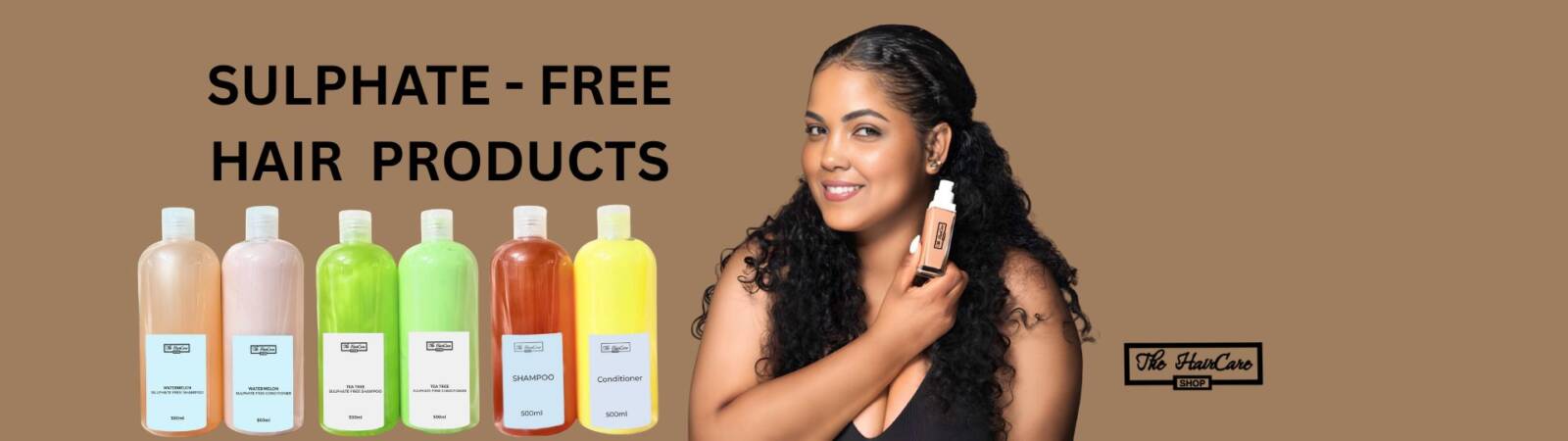
This is the foundation that every other treatment builds on. Sulphate shampoos strip your scalp’s natural protective oils, cause inflammation, and weaken already fragile hair. Switching to sulphate-free products immediately reduces one of the most common aggravating factors in female hair loss.
Every shampoo and conditioner from The Haircare Shop is 100% sulphate-free. For women experiencing hair loss, the Rooibos Shampoo and Conditioner Set is an excellent starting point — rooibos delivers minerals directly to the scalp that support follicle health, while the gentle cleansing preserves whatever hair you have.
2. Use a Targeted Hair Growth Oil
Topical growth oils deliver concentrated nourishment directly to the follicle. The Premium Hair Growth Oil from The Haircare Shop combines proven growth-supporting ingredients in a formula designed for South African women. Applied to the scalp 3-4 times per week with gentle massage, it stimulates blood flow, feeds dormant follicles, and creates optimal conditions for regrowth.
The massage itself is important — 3-5 minutes of fingertip scalp massage increases blood flow to the follicles by up to 20%, delivering more oxygen and nutrients to the growth zone. Combined with the oil’s active ingredients, this daily habit can make a meaningful difference within 8-12 weeks.
3. Strengthen Existing Hair to Prevent Further Loss
While you’re working on regrowing lost hair, protecting the hair you still have is equally important. The Keratin Silk Masque rebuilds the protein structure of weakened strands, reducing breakage that makes thinning look worse than it is. Used weekly, it ensures you’re not losing length from breakage while waiting for new growth to come in.
For daily strengthening, the Premium Keratin Shampoo and Conditioner Set deposits keratin into damaged areas of the hair shaft with every wash, building cumulative strength over time.

4. Address Nutritional Gaps
If your hair loss coincides with fatigue, pale skin, or brittle nails, nutritional deficiency may be a factor. Ask your doctor to test your iron levels (ferritin should be above 40 ng/mL for optimal hair growth), vitamin D, zinc, and B12. Many South African women are deficient in one or more of these without knowing it. Consider also trying affordable hair supplements that actually work to address these gaps alongside medical testing.
While supplements address internal deficiencies, topical treatments work from the outside in. Using both simultaneously — supplements for systemic nutrition and growth oil for direct follicle nourishment — attacks the problem from both angles.
5. Reduce Traction and Mechanical Damage
If tight hairstyles are contributing to your hair loss, the most effective treatment is also the simplest: reduce the tension. Looser braids, lower ponytails, silk or satin pillowcases, and gentle detangling with a wide-tooth comb all reduce the mechanical stress that pulls hair from weakened follicles.
For traction alopecia that’s already caused thinning at the edges, applying growth oil to the affected areas nightly and avoiding any tension on those follicles gives them the best chance of recovery. Early traction alopecia is reversible — but only if you catch it before the follicles are permanently scarred.
6. Professional Treatments (When Home Care Isn’t Enough)
If home treatments aren’t delivering results after 3-4 months, consult a dermatologist or trichologist. Professional options available in South Africa include minoxidil (the only FDA-approved topical treatment for female pattern hair loss), platelet-rich plasma (PRP) therapy, low-level laser therapy, and in some cases, hormonal treatments.
Even when using professional treatments, maintaining a healthy hair care routine at home is essential. Professional treatments stimulate growth, but your daily products determine whether that new growth survives and thrives.

Building a Complete Hair Loss Treatment Routine
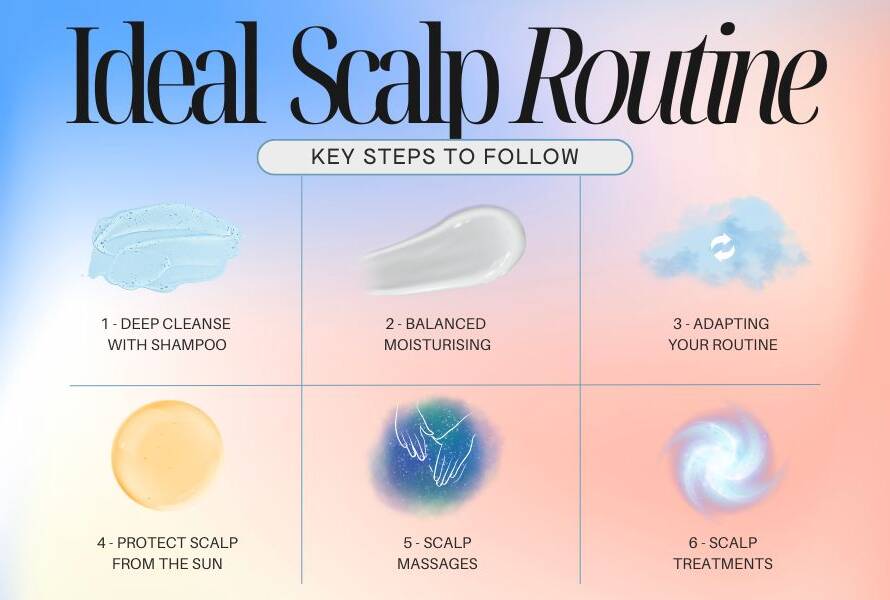
The most effective approach combines multiple treatments that work together. Here’s a complete daily and weekly routine for women dealing with hair loss:
Daily: Massage Premium Hair Growth Oil into your scalp for 3-5 minutes. Focus on areas of thinning. Sleep on a silk or satin pillowcase to reduce friction.
Wash days (2-3 times per week): Cleanse with Rooibos or Tea Tree sulphate-free shampoo. Condition with the matching conditioner from mid-length to ends. Handle hair gently — no rough towelling, no pulling through tangles.
Weekly: Deep condition with Keratin Silk Masque to strengthen existing hair and reduce breakage.
Ongoing: Take recommended supplements if blood tests reveal deficiencies. Avoid tight hairstyles. Minimise heat styling. Be patient — hair growth takes time, and consistency is what delivers results.
How Long Before You See Results?
This is where realistic expectations matter. Hair grows approximately 1-1.5cm per month, and follicles that have been dormant need time to reactivate. Here’s a general timeline:
Weeks 1-4: Reduced shedding, less hair in your brush. Your scalp feels healthier and less irritated.
Weeks 4-8: Existing hair feels stronger. Less breakage during styling and manipulation. You may notice small new hairs at your hairline.
Weeks 8-16: Visible new growth. Thinning areas start to fill in. Overall hair density begins improving.
Months 4-6: Significant improvement in volume and coverage. The new growth has enough length to blend with existing hair.
The women who get the best results are the ones who stay consistent even when progress feels slow. Hair growth is a marathon, not a sprint — but the finish line is worth every step.
Frequently Asked Questions
Is female hair loss reversible?
In many cases, yes. Telogen effluvium (stress-related shedding) typically resolves once the trigger is addressed. Traction alopecia is reversible in its early stages. Nutritional hair loss reverses with proper supplementation. Female pattern hair loss can be slowed and partially reversed with consistent treatment, though genetic hair loss is a lifelong management challenge.
When should I see a doctor about hair loss?
See a doctor if you notice sudden, significant shedding (more than 100 hairs per day), bald patches, scalp pain or burning, or if over-the-counter treatments haven’t helped after 3-4 months. Your doctor can test for underlying conditions like thyroid disease, iron deficiency, or hormonal imbalances that require medical treatment.
Can stress really cause hair loss?
Absolutely. Significant physical or emotional stress can trigger telogen effluvium, pushing up to 70% of your growing hairs into the shedding phase simultaneously. The shedding typically occurs 2-3 months after the stressful event and can last 6-9 months. The good news is that once the stress resolves, hair almost always regrows fully.
Start Your Regrowth Journey
Hair loss doesn’t have to be permanent, and you don’t have to face it alone. The right products, applied consistently, can help your follicles recover, your hair strengthen, and your confidence return. Every journey starts with a single step — and for most women, that step is simply switching to products that support growth instead of undermining it.
Recommended Reading
→ Best Anti-Hair Fall Shampoo for Women — Stop Shedding at the Source
→ Thinning Edges — How to Regrow and Repair Your Hairline Naturally
→ Best Hair Growth Products for Women Over 40 in South Africa
📦 Nationwide delivery across South Africa | 🚚 Fast shipping from Cape Town
Dealing with hair loss and not sure where to start? Contact us — we’ll help you build a routine that works.
Ready to Transform Your Hair?
Salon-grade, sulphate-free products delivered to your door
Same-day delivery in Cape Town | Free shipping on orders over R500
Not sure which one is right for your hair?
Send us a message on WhatsApp and we will recommend the right range for your hair problem. No charge, no obligation.
Ask on WhatsApp