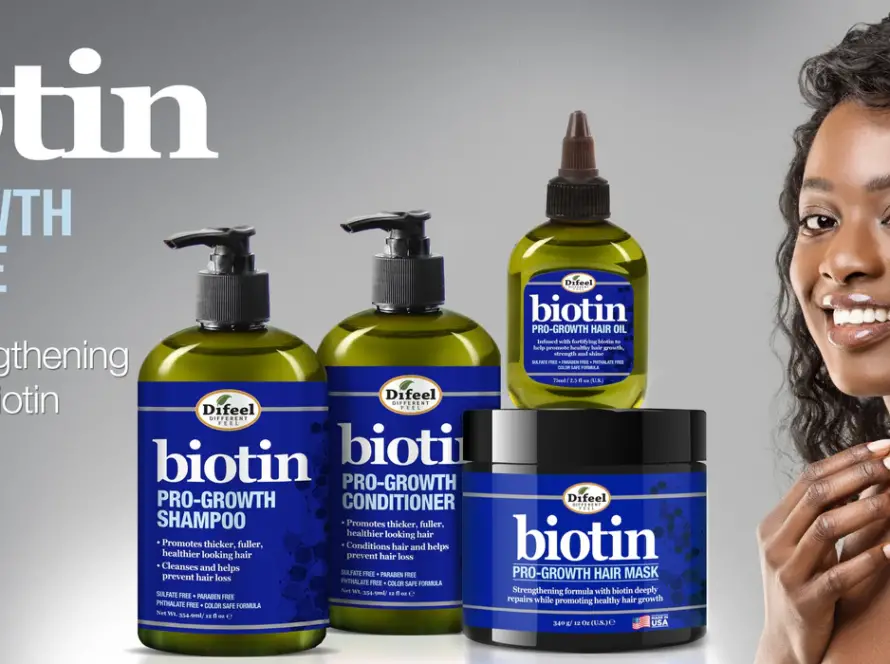

Restoring Your Hairline With the Right Care and Patience
Your edges frame your face. They’re the first thing people notice about your hair, and when they start thinning, it feels impossible to hide. Thinning edges — that gradual recession of the hairline around your temples, forehead, and nape — is one of the most emotionally distressing hair concerns South African women face. It affects how you wear your hair, how confident you feel, and how you show up in the world.
But here’s what most women don’t hear enough: thinning edges are often reversible. If the follicles haven’t been permanently scarred, they can be coaxed back to life with the right care, the right products, and — crucially — the right changes to the habits that caused the damage in the first place.

Why Edges Thin — The Real Causes
The hair along your hairline is fundamentally different from the hair on the rest of your head. Edge hairs are finer, more delicate, and grow from shallower follicles. This makes them the first casualties of tension, friction, and damage — while the hair on your crown might seem fine, your edges are quietly struggling.
Traction alopecia. This is the number one cause of thinning edges in South African women. Tight braids, cornrows, weaves, wigs with clips or adhesive, high ponytails, and any hairstyle that pulls consistently on the hairline damages the follicles over time. The tension literally uproots the hair or scarring the follicle until it can’t produce hair anymore.
Chemical damage. Relaxer applied too close to the hairline, or overlapped on previously relaxed edges, causes chemical burns that weaken and destroy the delicate edge follicles. The edges are thinner skin with shallower follicles — they simply can’t withstand the same chemical exposure as the rest of your scalp.
Friction from accessories. Headbands, scarves tied tightly, hats, and even glasses that sit on the temples create repetitive friction that wears down the cuticle and weakens edge hair over time.
Over-manipulation. Constantly slicking edges down with gel and a brush, laying edges with edge control and a toothbrush, or repeatedly styling and restyling the hairline creates cumulative stress that fragile edge follicles can’t recover from.
Stress and hormones. Hormonal changes from pregnancy, menopause, PCOS, or chronic stress can accelerate hair thinning — and the edges, being the most vulnerable area, are often where it shows first.

Can Thinning Edges Grow Back?
The answer depends on how long the damage has been happening and whether the follicles are still alive. There are two stages of traction alopecia:
Early stage (reversible): The follicles are damaged but not destroyed. You might see small, fine baby hairs at the hairline, redness or tenderness where tension has been applied, or a gradual thinning that’s developed over months. At this stage, removing the cause of damage and nourishing the follicles can lead to full regrowth.
Late stage (potentially permanent): The follicles have been scarred over by years of sustained damage. The hairline looks smooth and shiny with no visible baby hairs. At this stage, regrowth becomes much harder — though not always impossible. Even late-stage damage may respond to aggressive treatment, but results are less predictable.
The takeaway: start treatment as early as possible. The sooner you address thinning edges, the better your chances of full recovery.
How to Regrow Thinning Edges — Step by Step
Step 1: Eliminate the Cause
No treatment will work if you’re still damaging your edges. This is the non-negotiable first step:
→ Stop wearing tight braids, cornrows, or weaves that pull on the hairline. If you must wear protective styles, keep them loose at the edges and take breaks between installations.
→ Keep relaxer away from your edges entirely. If you relax, apply petroleum jelly along the hairline before processing to create a barrier.
→ Stop using edge control products with alcohol, which dry out and weaken edge hair. Stop brushing or combing edges aggressively.
→ Give your edges a complete break. For the next 3-6 months, baby them. No tension, no chemicals, no heat, minimal manipulation.
Step 2: Nourish With Hair Growth Oil
The Premium Hair Growth Oil from The Haircare Shop is your primary weapon for edge regrowth. Apply a small amount to your edges every night before bed, massaging gently with your fingertips for 2-3 minutes.
The massage serves two purposes: it increases blood flow to the dormant follicles, delivering oxygen and nutrients that stimulate the growth cycle; and it helps the oil’s active ingredients penetrate the skin to reach the follicle bulb. Consistency is everything — this needs to be a nightly habit, not an occasional treatment.

Step 3: Wash Gently With Sulphate-Free Shampoo
Your edges need a clean scalp to grow — blocked follicles can’t produce hair. But they also can’t withstand the stripping effect of sulphate shampoos. Use a gentle, sulphate-free shampoo that cleanses without irritating the delicate hairline area.
The Aloe Vera Shampoo and Conditioner Set is ideal for women regrowing edges — aloe’s anti-inflammatory properties soothe the damaged area while its enzymes clear dead skin cells from follicle openings. The Rooibos Shampoo and Conditioner Set is another excellent choice, delivering growth-supporting minerals directly to the scalp.
Step 4: Deep Condition for Strength
New edge growth is fragile. Protect it with weekly deep conditioning using the Keratin Silk Masque. Apply a small amount directly to the edges after your regular conditioning, leave for 10 minutes, and rinse with cool water. The keratin strengthens the new growth while the silk proteins add elasticity that prevents the baby hairs from snapping.
Step 5: Protect While You Sleep
Sleep on a silk or satin pillowcase, or wrap your edges in a silk scarf at night. Cotton pillowcases create friction that can damage regrowing edges — silk allows them to glide without resistance. When tying your scarf, keep it loose around the hairline. A tight satin bonnet that digs into your edges defeats the entire purpose.
Timeline for Edge Regrowth
Edge regrowth takes patience. Here’s what to expect with consistent treatment:
Weeks 1-4: The scalp along your edges should feel less irritated. Any redness or tenderness should diminish. This is the healing phase.
Weeks 4-8: You may notice tiny baby hairs starting to appear — these are dormant follicles waking up. They’ll be fine and short, but they’re a sign of recovery.
Weeks 8-16: Baby hairs gain length and thickness. The hairline starts to look fuller, though still not at full density.
Months 4-8: Significant improvement in edge density. New growth blends more naturally with existing hair. Most women see substantial recovery during this period.
Months 8-12: Full recovery for early-stage traction alopecia. The hairline returns to its natural density with continued gentle care.

Protective Styles That Won’t Damage Your Edges
You don’t have to give up protective styling forever — you just need to choose styles that don’t put tension on your hairline:
→ Loose twists or twist-outs: No tension at the hairline, and they protect your ends while giving your edges room to breathe.
→ Low buns with a satin scrunchie: Keeps hair secured without pulling on the edges or temples.
→ Wigs on a wig cap (no glue): If you want the convenience of a wig, skip the adhesive entirely. Use a wig grip band or adjustable straps instead.
→ Braids started 2cm back from the hairline: If you love braids, ask your stylist to start them behind the hairline, leaving the edges free.
→ Bantu knots or pin curls: Gentle styling methods that create beautiful results without any pull on the edges.
Frequently Asked Questions
How can I tell if my edges will grow back?
Look closely at the thinning area. If you can see tiny baby hairs, vellus hairs (fine, colourless hairs), or any sign of hair activity, the follicles are alive and regrowth is possible. If the area is completely smooth, shiny, and hairless, the follicles may be scarred — but it’s still worth trying treatment for at least 6 months before concluding they can’t recover.
Can castor oil help with edge regrowth?
Castor oil, particularly Jamaican black castor oil, is popular for edge regrowth due to its ricinoleic acid content, which has anti-inflammatory properties. However, a dedicated growth oil formula like the Premium Hair Growth Oil typically delivers better results because it combines multiple growth-supporting ingredients rather than relying on a single oil.
Should I still lay my edges while regrowing them?
Ideally, no — at least not during the active regrowth phase. Edge control products often contain drying alcohols, and the brushing/smoothing required to lay edges creates exactly the kind of mechanical stress that damaged them in the first place. Once your edges have fully recovered (6-12 months), you can cautiously reintroduce gentle edge styling with alcohol-free products.
Your Edges Deserve Better
Thinning edges aren’t something you just have to accept. With patience, the right products, and a commitment to gentler hair practices, most women can restore their hairline to its full, natural beauty. The journey takes months — but seeing those baby hairs start to fill in makes every step worth it.
Recommended Reading
→ Hair Loss Treatment for Women in South Africa — What Actually Helps
→ Best Castor Oil for Hair Growth in South Africa — Complete Guide
→ How to Stop Hair Breakage — A Complete Guide for South African Women
📦 Nationwide delivery across South Africa | 🚚 Fast shipping from Cape Town
Need advice on regrowing your edges? Contact us — we’ll help you build a recovery plan.
Ready to Transform Your Hair?
Salon-grade, sulphate-free products delivered to your door
Same-day delivery in Cape Town | Free shipping on orders over R500
Not sure which one is right for your hair?
Send us a message on WhatsApp and we will recommend the right range for your hair problem. No charge, no obligation.
Ask on WhatsApp