A dry, itchy scalp is one of the most common — and most uncomfortable — hair concerns in South Africa. Cape Town’s hard, mineral-laden water strips the scalp’s natural oils with every wash. Johannesburg’s dry Highveld winters suck moisture out of both hair and scalp. Add sulphate-heavy shampoos to the mix and you have a recipe for chronic scalp dryness that no amount of scratching resolves.
The right shampoo makes an immediate difference. This guide covers the best shampoos for dry scalp available in South Africa, what to look for in ingredients, and how to build a scalp care routine that actually fixes the problem rather than just masking it.
Dry Scalp vs Dandruff — They’re Not the Same
These two conditions are frequently confused but require different treatments. Using the wrong one makes the problem worse.
Dry scalp is caused by insufficient moisture — from over-washing, harsh products, cold or dry weather, or naturally low sebum production. The flakes are small, white, and dry. The scalp feels tight and itchy, especially after washing. The rest of the hair is often dry too.
Dandruff is caused by an overgrowth of a naturally occurring scalp fungus (Malassezia). The flakes are larger, oily or yellowish, and often stick to the scalp rather than falling freely. The scalp may be oily rather than dry, even if it feels itchy.
The treatment for dandruff (antifungal shampoos with zinc pyrithione, selenium sulphide, or ketoconazole) can make a genuinely dry scalp significantly worse. If your scalp is truly dry, you need a moisturising shampoo — not a medicated one.
What Causes Dry Scalp in South Africa Specifically?
Hard water. Cape Town and Johannesburg both have hard water with elevated calcium and magnesium levels. These minerals deposit on the scalp with every wash, blocking moisture from penetrating and causing persistent dryness and irritation. A chelating shampoo or monthly hard water treatment removes this buildup.
Sulphate shampoos. Sodium lauryl sulphate (SLS) and sodium laureth sulphate (SLES) are aggressive surfactants that strip all oils from the scalp — including the natural sebum that protects and moisturises it. For women with already-dry scalps, sulphate shampoos are the single biggest trigger.
Over-washing. Washing more than 3 times per week depletes scalp oils faster than they can be replaced. Many South African women over-wash, particularly in summer or after exercise.
Seasonal dryness. Highveld winters (Johannesburg, Pretoria) are extremely dry, with humidity regularly dropping below 20%. This environmental moisture loss accelerates scalp dryness significantly between June and August.
Wrong products. Alcohol-based styling products, dry shampoos used too frequently, and protein-heavy treatments can all dehydrate the scalp further.
Key Ingredients to Look for in a Dry Scalp Shampoo
Aloe vera — A powerful scalp humectant that draws moisture from the air into the scalp and soothes inflammation. One of the most effective natural ingredients for dry, irritated scalps. Also gentle enough for daily use.
Glycerin — Another humectant that binds water molecules and holds moisture in the scalp’s surface layer. Works best in humid environments (coastal SA) — in very dry climates, use a sealing ingredient afterwards.
Rooibos extract — South Africa’s indigenous superingredient. Rooibos has exceptional anti-inflammatory properties that reduce scalp redness and irritation. Its antioxidants protect the scalp from UV and environmental damage. Uniquely suited to SA’s climate and conditions.
Panthenol (Vitamin B5) — Penetrates the hair shaft and scalp surface, providing sustained moisture retention long after washing. Reduces flaking and improves scalp texture over time with consistent use.
Tea tree oil — Useful for scalps that sit on the dry-but-also-itchy spectrum. At low concentrations (1–2%), tea tree is anti-inflammatory without being antifungal enough to disturb the scalp’s natural microbiome.
Argan oil — Rich in oleic acid and vitamin E, argan oil mimics the scalp’s natural sebum and is absorbed quickly without leaving greasiness. Ideal for very dry scalps that need an oil component in their cleanser.
Best Shampoos for Dry Scalp in South Africa
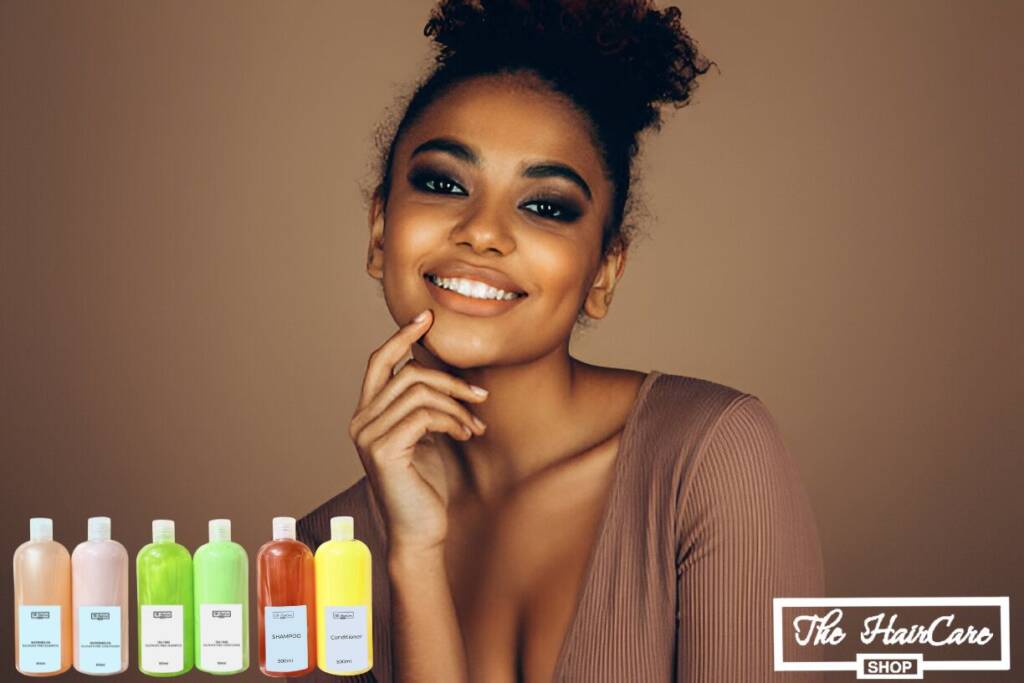
1. Rooibos Sulphate-Free Shampoo — Best Overall for Dry Scalp
Best for: All hair types with dry, sensitive, or irritated scalp
Key ingredients: Rooibos extract, Aloe vera, Panthenol
Why it works: Rooibos calms inflammation while aloe vera and panthenol restore moisture to the scalp. Sulphate-free so it won’t strip the oils you’re trying to rebuild. Gentle enough for daily use. This is the top choice for South African women with chronic scalp dryness — it addresses SA-specific stressors (UV, hard water, climate) better than imported formulas.
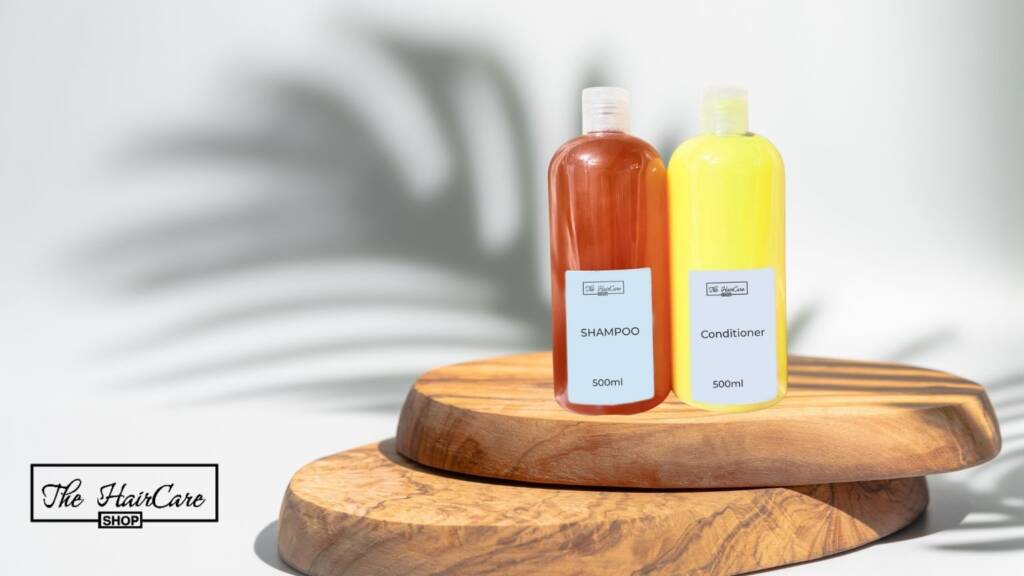
2. Aloe Vera Shampoo — Best for Curly and Natural Hair with Dry Scalp
Best for: Natural, afro-textured, and curly hair types with dry scalp
Key ingredients: Aloe vera, Glycerin, Shea butter extract
Why it works: Aloe vera’s humectant properties are especially beneficial for curly and natural hair types that already struggle with moisture retention. The glycerin adds a second layer of moisture-attracting action. Shea butter provides scalp conditioning without heaviness. Safe for colour-treated curls.
3. Argan Silk Sulphate-Free Shampoo — Best for Dry Scalp with Damaged Hair
Best for: Chemically treated, bleached or heat-damaged hair with dry, flaky scalp
Key ingredients: Argan oil, Keratin, Silk amino acids
Why it works: When your scalp is dry AND your hair is damaged, you need a shampoo that addresses both simultaneously. The argan oil moisturises the scalp; the keratin and silk amino acids repair the hair shaft. Using this alongside a weekly deep conditioner reverses most moisture and structural damage within 4–6 weeks.
4. Tea Tree Scalp Shampoo — Best for Dry Scalp with Itching and Irritation
Best for: Itchy, sensitive scalp with mild flaking — not classic dandruff
Key ingredients: Tea tree oil, Peppermint, Zinc
Why it works: For scalps where dryness manifests as intense itching rather than visible flaking, tea tree’s anti-inflammatory properties provide faster relief than pure moisturising formulas. The peppermint cooling effect immediately soothes the itch sensation. Use 2–3 times per week maximum — not suitable for daily use.
How to Wash Your Hair When You Have a Dry Scalp
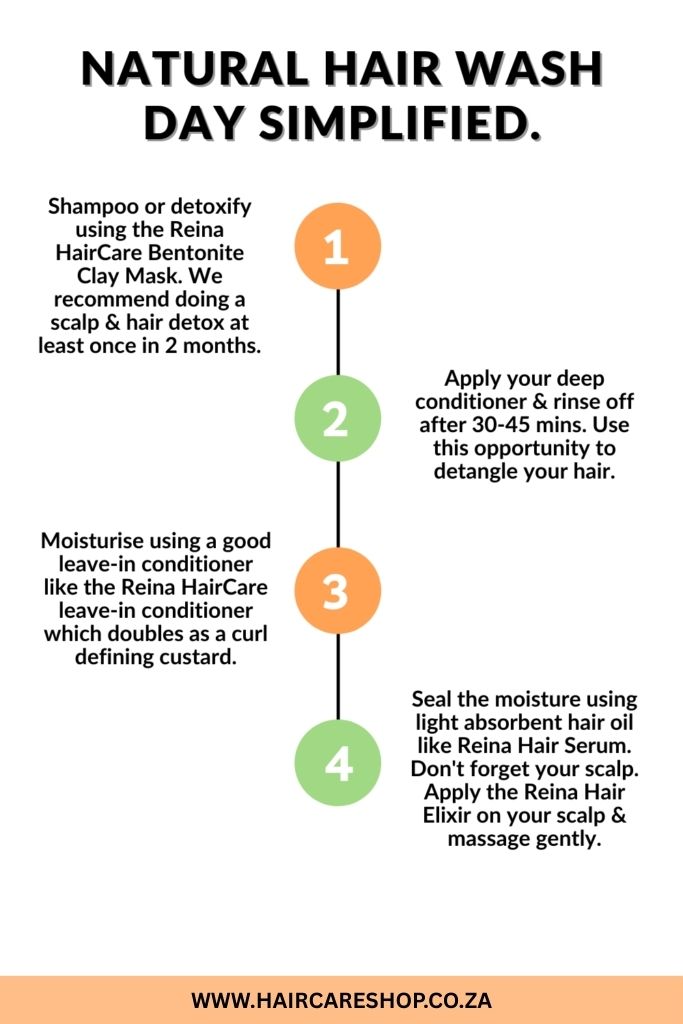
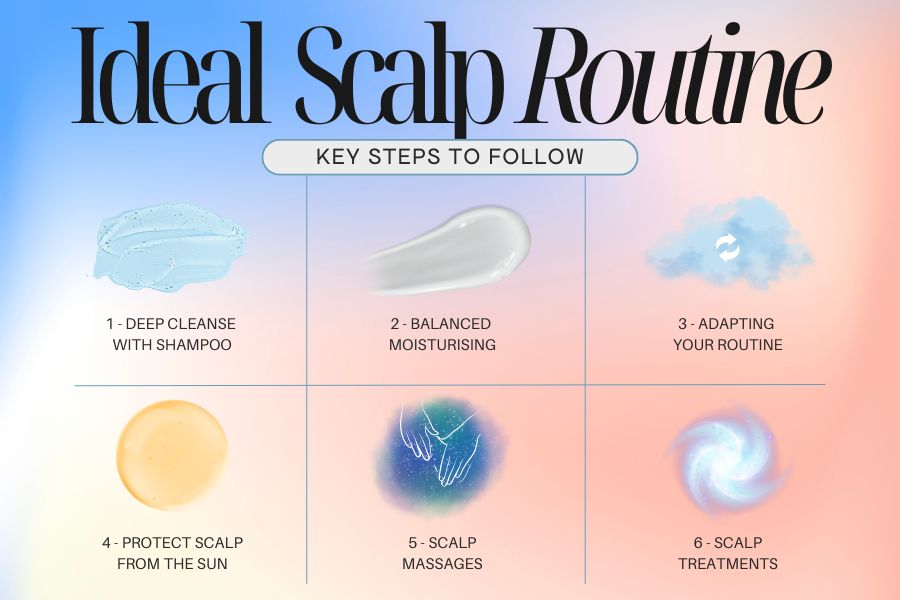
Reduce frequency. If you’re currently washing daily or every other day, cut back to 2–3 times per week. Your scalp needs time to rebuild its oil barrier between washes. Use a light scalp toner or rose water spritz on non-wash days if your scalp feels tight.
Use lukewarm water. Hot water strips scalp oils dramatically faster than warm water. Wash with lukewarm water and finish with a cool rinse — the cool rinse seals the cuticle and locks in moisture.
Apply shampoo correctly. Dilute a small amount of shampoo in your palm with water before applying. Massage gently with fingertips (not fingernails) — aggressive scrubbing irritates an already-sensitive scalp.
Condition from mid-length down only. Applying conditioner to the scalp on a dry scalp can actually worsen the issue by creating product buildup that prevents the scalp from breathing. Keep conditioner on lengths and ends.
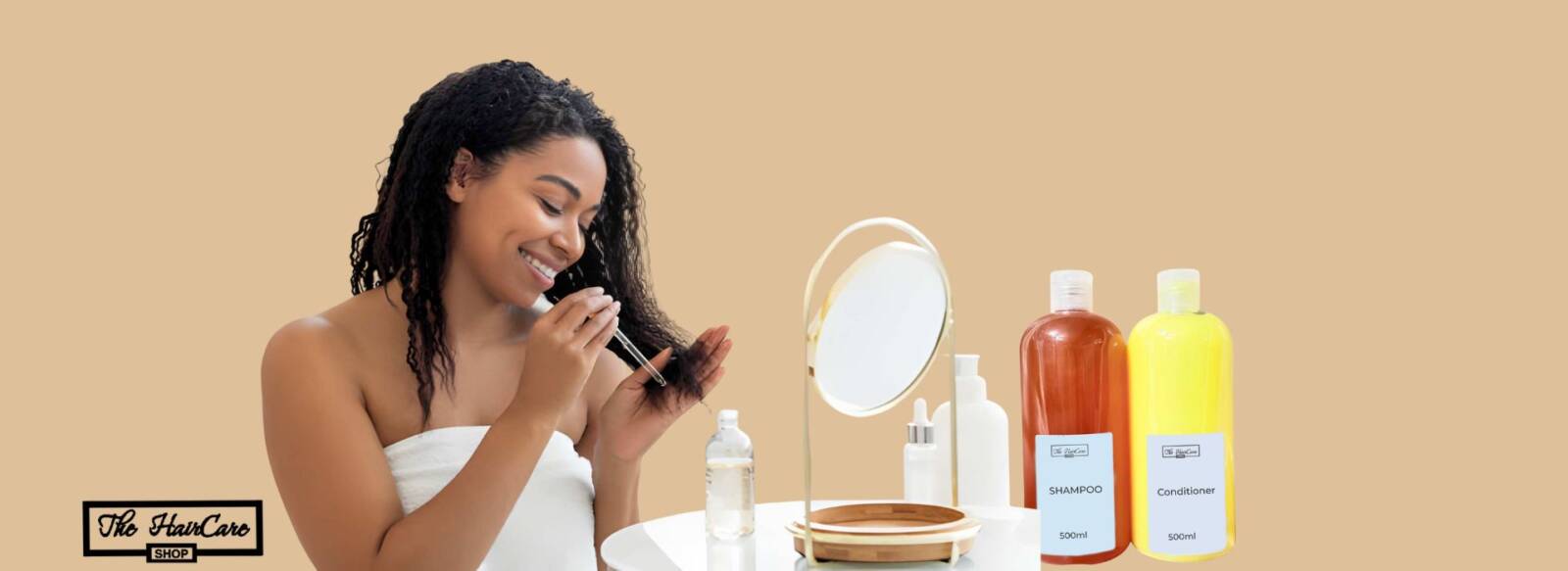
Finish with a scalp oil. Apply a few drops of a lightweight scalp oil (argan, jojoba, or a dedicated hair growth oil) to the scalp sections after washing while hair is still damp. This seals in moisture and provides a protective layer between washes. See our guide to matching shampoo and conditioner for your hair type for a full routine recommendation.
Monthly Hard Water Treatment for SA Scalps
If you’re in Cape Town or Johannesburg, mineral buildup from hard water is likely contributing to your scalp dryness. Once a month, use an apple cider vinegar rinse (1 tablespoon ACV in 500ml water, pour over scalp after shampooing, leave 2 minutes, rinse) or a chelating shampoo to strip mineral deposits. This single step makes a noticeable difference to scalp moisture and shampoo effectiveness.
Frequently Asked Questions
Can a dry scalp cause hair loss?
Indirectly, yes. Chronic scalp inflammation and dryness can disrupt the hair growth cycle and weaken follicles over time. Severe scratching damages follicles mechanically. And dry scalp often indicates a compromised scalp barrier, which makes the scalp more vulnerable to environmental damage. Treating the dryness protects long-term hair health.
Should I use conditioner if I have a dry scalp?
Yes — but apply it from mid-length to ends only, not on the scalp itself. Conditioner on the scalp can clog pores and contribute to buildup. The scalp needs its moisture restored through a good shampoo and a lightweight scalp oil, not through conditioner.
How long does it take for a dry scalp shampoo to work?
Most women notice improvement within 2–4 washes (1–2 weeks). The scalp’s oil barrier can begin rebuilding within 48–72 hours of switching to a sulphate-free formula. Full improvement — particularly if mineral buildup was a factor — takes 3–4 weeks of consistent use.
Is a dry scalp worse in winter in South Africa?
Significantly worse on the Highveld (Johannesburg, Pretoria) where winter humidity drops very low. Less dramatically affected in Cape Town’s wet winter. Consider using a richer shampoo formula or adding a scalp oil to your routine during the winter months if you notice seasonal flare-ups.
Shop Dry Scalp Shampoos at Haircare Shop
All dry scalp shampoos at Haircare Shop are sulphate-free, South Africa–formulated, and tested for our specific water and climate conditions. Fast delivery across SA from our Cape Town warehouse.
Free delivery on orders over R499. Order before 2pm for same-day dispatch. Browse the full range at haircareshop.co.za.
Related Reading
→ Top 10 Best Shampoos in South Africa 2026 — Tested & Reviewed for Every Hair Type
→ Best Shampoo & Conditioner in South Africa 2026 — Complete Buyer’s Guide
→ Aloe Vera for Hair — Complete Guide to Using Aloe Vera Shampoo and Conditioner
Ready to Transform Your Hair?
Salon-grade, sulphate-free products delivered to your door
Same-day delivery in Cape Town | Free shipping on orders over R500
Not sure which one is right for your hair?
Send us a message on WhatsApp and we will recommend the right range for your hair problem. No charge, no obligation.
Ask on WhatsApp