
INTRODUCTION
If hair products actually worked the way they’re advertised, you wouldn’t be reading this.
You wouldn’t be standing in front of your mirror wondering why your hair still feels dry after using a “moisturising” shampoo.
You wouldn’t be switching conditioners every month hoping this one will finally stop the breakage.
And you definitely wouldn’t be Googling “best hair products store in Woodstock Cape Town” after spending thousands of rands on products that promised growth… and delivered nothing.
Yet here you are — and you’re not alone.
For many women in Woodstock, Bellville, and across Cape Town, haircare has become a cycle of hope and disappointment. New shampoo. New oil. New routine. Same results — dryness, shedding, thinning edges, or hair that simply refuses to retain length.
The frustrating truth?
Most hair products don’t fail because your hair is “difficult.”
They fail because they were never designed for your hair, your environment, or your routine.
Why Cape Town Haircare Is Different (And Rarely Talked About)
Cape Town’s climate, water quality, and lifestyle quietly work against your hair — yet very few brands (or beauty blogs) talk about this honestly.
- Hard water can strip moisture and leave residue on hair strands
- Wind and dry air increase breakage, especially for Afro, relaxed, and colour-treated hair
- Over-cleansing shampoos marketed as “fresh” or “deep clean” destroy moisture balance
- One-size-fits-all advice ignores scalp condition, hair porosity, and damage history
So women do what seems logical: they keep changing products.
But constantly switching shampoos and conditioners doesn’t reset your hair — it confuses it.
The Real Reason “Nothing Works”
Here’s the uncomfortable reality most brands won’t admit:
Hair growth, moisture, and strength are not created by magic ingredients — they’re created by correct pairing, consistency, and scalp respect.
Many popular hair products on supermarket shelves are built to:
- Lather aggressively
- Smell appealing
- Appeal to the widest possible audience
Not to repair damage.
Not to support growth.
And definitely not to work for textured, dry-prone, or chemically treated hair common among women in Cape Town.
This is why two people can use the same shampoo and get completely different results — and why online reviews alone can’t guide you.
Why Woodstock Buyers Are Asking Better Questions
Woodstock has quietly become a hub for women who are done with hype and ready for answers. Buyers here aren’t just asking “Is this product popular?” — they’re asking:
- Will this strip my hair?
- Is this sulphate-free or just labelled that way?
- Does this support scalp health or only clean?
- Can I speak to someone who understands my hair?
That shift matters.
Because once you stop chasing “miracle products” and start understanding why certain products work, haircare stops feeling like gambling — and starts feeling predictable.
What This Guide Will Actually Help You Do
This isn’t a product list.
And it’s not another generic beauty blog written for algorithms.
In this guide, you’ll learn:
- Why most hair products fail women in Cape Town
- How to choose hair products based on hair type + damage level
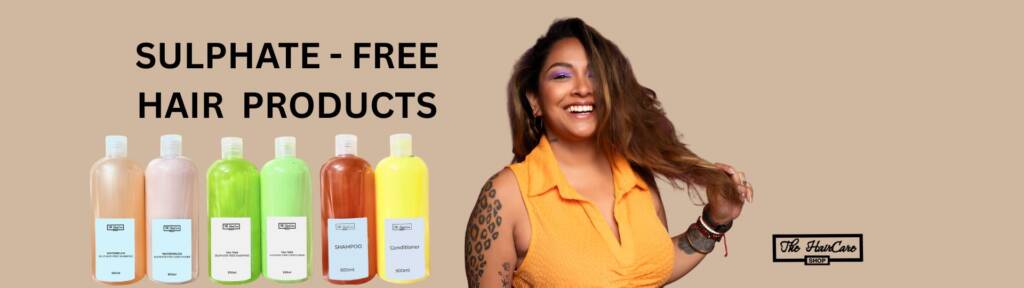
- What sulphate-free really means (and when it matters)
- How to build a simple routine that supports growth and moisture
- What to look for in a hair products store in Woodstock — beyond price and branding
If you’re tired of wasting money, tired of guessing, and tired of being told your hair is the problem — this guide was written for you.
Why Most Hair Products Don’t Work (Especially in Cape Town)
If you’ve ever said “I’ve tried everything and nothing works”, this section will feel uncomfortably accurate.
Because the problem isn’t that good hair products don’t exist.
The problem is that most women are unknowingly using products that work against their hair — especially in Cape Town.
Let’s break down exactly why.
1. The “One-Size-Fits-All” Lie
Most shampoos and conditioners are designed for mass appeal, not real results.
That means they’re formulated to:
- Lather quickly
- Smell strong and “clean”
- Feel light and residue-free
What they’re not designed to do is:
- Protect fragile ends
- Preserve moisture in textured or chemically treated hair
- Support scalp health long-term
This is especially damaging for Afro-textured, relaxed, braided, or colour-treated hair — which already loses moisture faster than straight hair types.
So when a bottle claims it’s “for all hair types,” what it usually means is:
It won’t completely destroy everyone’s hair — but it won’t truly help anyone either.
2. Sulphates: Clean Hair, Broken Ends
One of the biggest reasons hair products fail women in Cape Town is over-cleansing.
Sulphates (like SLS and SLES) are powerful detergents. They:
- Strip oil aggressively
- Remove buildup fast
- Create that “squeaky clean” feeling
But here’s what that squeaky feeling really means:
👉 Your hair’s natural protective barrier has been removed.
For women washing once or twice a week, sulphates:
- Increase dryness
- Cause breakage at the ends
- Trigger scalp irritation
- Force you to over-condition just to feel “normal” again
This is why many women see short-term softness followed by long-term damage.
That’s also why sulphate-free formulas — when done properly — are a game changer, especially in Cape Town’s drying conditions.
➡️ Related reading:
- https://haircareshop.co.za/sulphate-free-shampoo-south-africa/
- https://haircareshop.co.za/sulphate-free-conditioner-south-africa/
3. Cape Town Water: The Silent Hair Saboteur
Very few hair blogs talk about this, but water quality matters — a lot.
Much of Cape Town has hard or mineral-heavy water, which:
- Leaves residue on hair strands
- Prevents moisture from penetrating
- Causes dullness and stiffness over time
If you’ve noticed that:
- Your hair feels dry immediately after washing
- Products stop “working” after a few weeks
- Your scalp feels tight or itchy
…it’s often not the product itself — it’s how the water interacts with it.
This is where gentle cleansers, proper conditioning, and sealing routines become essential — not optional.
4. Product Switching Is Killing Your Results
Here’s a hard truth many women don’t want to hear:
Switching products too often is one of the fastest ways to stall progress.
Hair needs consistency to respond.
When you change shampoos every two to three weeks:
- Your scalp never stabilises
- Moisture balance never settles
- You can’t accurately judge results
Most hair growth or repair products need 30–90 days of consistent use to show meaningful change — especially when correcting damage caused by years of harsh products.
➡️ Helpful context:
- https://haircareshop.co.za/how-long-does-it-take-hair-growth-oil-to-work/
- https://haircareshop.co.za/hair-growth-vs-length-retention/
5. Growth Is a Scalp Issue — Not a Length Issue
Another major reason hair products “fail” is misunderstanding what growth actually is.
Hair growth:
- Happens at the scalp
- Depends on circulation, follicle health, and inflammation control
Length retention:
- Happens at the ends
- Depends on moisture, low friction, and gentle handling
Using a “growth shampoo” alone won’t fix thinning edges.
Using oils without correcting dryness won’t stop breakage.
Real results come from pairing:
- A gentle shampoo
- A supportive conditioner
- A targeted oil or treatment
Not from chasing the next trending product.
➡️ Recommended deep dives:
- https://haircareshop.co.za/daily-hair-care-for-reducing-shedding/
- https://haircareshop.co.za/7-proven-natural-hair-treatment-for-hair-loss/
6. Why Local, Knowledgeable Hair Stores Matter
This is where choosing the right hair products store in Woodstock makes a difference.
Local specialist stores understand:
- Cape Town water and climate
- Common hair challenges in the area
- Which products work together — not just individually
Unlike generic online marketplaces, a specialist haircare shop helps you:
- Avoid incompatible product combinations
- Choose based on hair condition, not hype
- Build a routine instead of a random collection
This guidance alone saves months of frustration.
Key Takeaway From This Section
Most hair products don’t fail because they’re “bad.”
They fail because they’re:
- Too harsh
- Poorly matched
- Used inconsistently
- Chosen without context
Once you understand this, everything changes.
What Actually Works (Based on Hair Type & Damage Level)
Here’s where most guides stop being useful — and where this one becomes practical.
Hair doesn’t respond to popular products.
It responds to correct pairing, consistency, and respect for damage level — especially for women living in Cape Town, where climate and water amplify mistakes.
Below is a decision framework you can actually use.
Start Here: Identify the Real Problem (Not the Symptom)
Before choosing anything, answer this honestly:
- Is your main issue breakage, dryness, slow growth, or scalp irritation?
- Does your hair feel rough immediately after washing?
- Are your ends thinning faster than your roots are growing?
Most women choose products based on what they want (length, shine) instead of what their hair is missing (moisture, balance, scalp support).
Let’s fix that.
If Your Issue Is Dryness & Breakage (Most Common)
What’s actually happening:
Your hair is losing moisture faster than it can retain it. This is extremely common with Afro-textured, relaxed, braided, or colour-treated hair.
What Your Shampoo Must Do
- Clean without stripping
- Avoid sulphates
- Support moisture during cleansing
What Your Conditioner Must Do
- Replace lost moisture
- Smooth the cuticle
- Reduce friction before styling
This is where many routines fail: women use a gentle shampoo, then under-condition — or worse, skip conditioner entirely.
What Works Consistently
- A sulphate-free shampoo
- A rich, slip-providing conditioner
- Low-manipulation styling
Product logic (not hype):
- Argan-based formulas support elasticity
- Watermelon and botanical conditioners improve softness and manageability
➡️ Helpful pages to deepen this:
- https://haircareshop.co.za/sulphate-free-shampoo-south-africa/
- https://haircareshop.co.za/sulphate-free-conditioner-south-africa/
- https://haircareshop.co.za/best-haircare-solution-for-relaxed-and-damaged-hair/
Key rule:
If your hair snaps before it grows, growth oils won’t save you — moisture will.
If Your Issue Is Thinning Edges or Slow Growth
This is where misinformation spreads the fastest.
Hair growth:
- Happens at the scalp
- Depends on circulation, follicle health, and inflammation control
Length retention:
- Happens at the ends
- Depends on moisture and low breakage
Using only a “growth shampoo” won’t fix thinning edges.
Using oil daily on dry hair won’t either.
What Actually Helps
- A gentle cleanser that doesn’t inflame the scalp
- A conditioner that prevents breakage
- A targeted growth oil used 2–3 times per week, not daily
Growth oils work best when:
- The scalp is clean
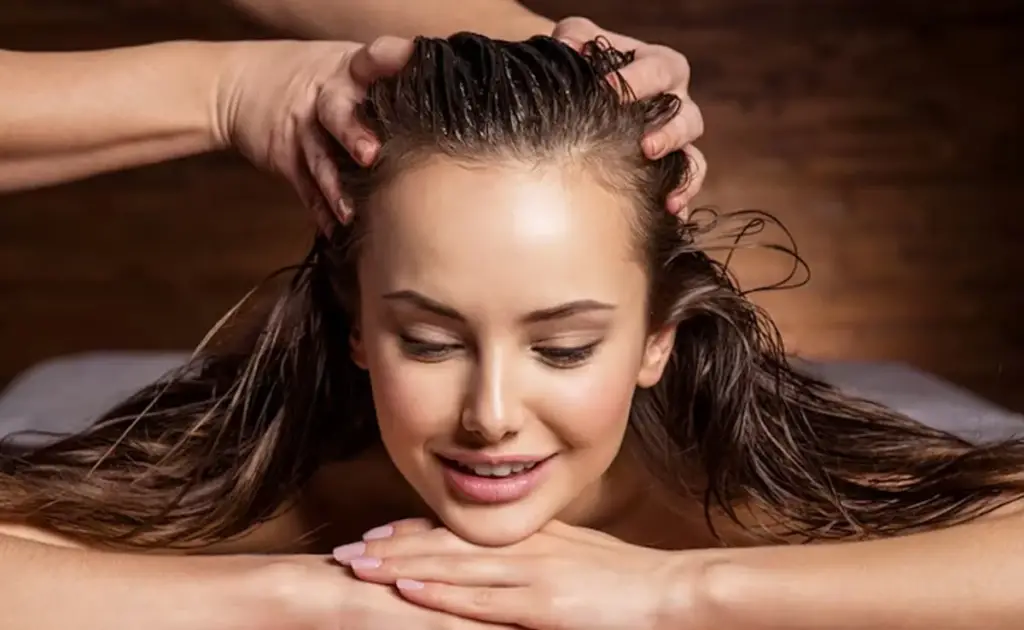
- Massage is gentle
- Expectations are realistic (weeks, not days)
➡️ Supporting reads:
- https://haircareshop.co.za/how-long-before-i-see-results-using-hair-growth-oil/
- https://haircareshop.co.za/hair-growth-products-in-cape-town/
- https://haircareshop.co.za/hair-growth-vs-length-retention/
Key rule:
If your scalp is unhealthy, no oil will outwork it.
If Your Issue Is Itchy Scalp, Dandruff, or Product Buildup
An irritated scalp is a growth blocker — full stop.
Common mistakes:
- Scratching instead of treating
- Over-washing with harsh shampoos
- Using oils to “soothe” inflammation (often makes it worse)
What Works Better
- Tea Tree–based sulphate-free shampoos
- Consistent wash schedules
- Avoiding heavy oils on inflamed scalps
Tea Tree isn’t about scent — it’s about:
- Reducing microbial imbalance
- Calming irritation
- Supporting a healthier scalp environment
➡️ Learn more:
- https://haircareshop.co.za/war-on-dandruff-causes-treatment-and-prevention/
- https://haircareshop.co.za/7-proven-natural-hair-treatment-for-hair-loss/
Key rule:
An itchy scalp is asking for balance, not more product.

The Biggest Game-Changer: Pairing Products Correctly
Here’s what most routines get wrong:
They buy good products — but pair them badly.
Examples:
- Strong shampoo + weak conditioner
- Growth oil + stripping cleanser
- Clarifying wash every week on dry hair
Results stall not because products are bad, but because they’re mismatched.
A winning combination always includes:
- Gentle cleansing
- Adequate conditioning
- Targeted treatment (only if needed)
➡️ This is why routines outperform random product collections:
- https://haircareshop.co.za/transformative-haircare-routine/
- https://haircareshop.co.za/daily-hair-care-for-reducing-shedding/
The Truth Behind the Most Common Haircare Doubts
By this point, many women nod along with everything you’ve read — and then a familiar voice creeps in:
“But I’ve already tried this… and it didn’t work.”
That hesitation is completely valid.
So let’s address the real objections honestly — without marketing fluff.
Objection #1: “I Tried Sulphate-Free Shampoo — It Didn’t Work”
This is one of the most common (and misunderstood) complaints.
Here’s what usually happened:
- The shampoo was sulphate-free, but the conditioner wasn’t supportive enough
- Hair was already severely dry or damaged
- Expectations were immediate results instead of adjustment time
When switching from harsh shampoos, hair often goes through a transition phase:
- Less foam
- Different feel
- Temporary dullness
This isn’t failure — it’s your hair recalibrating after being stripped for years.
Advanced tip:
Give any sulphate-free routine 3–4 weeks minimum with the correct conditioner before judging results.
➡️ Helpful reinforcement:
- https://haircareshop.co.za/sulphate-free-shampoo-for-hair-growth/
- https://haircareshop.co.za/which-shampoo-and-conditioner-are-best-for-dry-curly-hair-in-cape-towns-weather/
Objection #2: “My Hair Just Doesn’t Grow”
Almost every woman who says this is actually experiencing breakage, not lack of growth.
Hair grows on average:
- ±1–1.5 cm per month
But if your ends break at the same rate your roots grow, length appears stagnant.
Signs it’s breakage (not growth failure):
- Thinning ends
- Shorter layers around the crown
- Hair snaps easily when dry
Advanced tip:
Stop measuring growth by length alone.
Measure by:
- Thickness retention
- Reduced shedding
- Health of ends after 60–90 days
➡️ Deep dives that clarify this:
- https://haircareshop.co.za/hair-growth-vs-length-retention/
- https://haircareshop.co.za/treatments-to-restore-thinning-afro-hair/
Objection #3: “Salon or Specialist Products Are Too Expensive”
This belief usually comes from short-term thinking.
Yes, professional products may cost more upfront — but consider:
- How often you replace cheap products
- Money spent experimenting
- Damage repair costs later
Most women spend more trying multiple low-quality products than committing to a simple, effective routine.
Advanced tip:
A small, consistent routine always outperforms a cupboard full of half-used bottles.
➡️ Context:
- https://haircareshop.co.za/best-affordable-hair-growth-oil-for-thinning-edges-in-cape-town/
- https://haircareshop.co.za/affordable-hair-supplements-that-really-work/
Objection #4: “Natural Products Don’t Clean Properly”
“Clean” has been confused with “stripped.”
A shampoo’s job is to:
- Remove dirt and excess oil
- Leave the scalp balanced
- Prepare hair for conditioning
It’s not supposed to leave hair squeaking or rough.
Advanced tip:
If your hair feels rough immediately after rinsing shampoo — it’s already been over-cleansed.
Gentle formulas clean effectively, just without damage.
Advanced Tip #1: Stop Changing Products — Start Changing Technique
Many routines fail because of how products are used, not which ones.
Common technique mistakes:
- Scrubbing lengths instead of scalp
- Skipping conditioner when “in a rush”
- Detangling dry hair
- Oiling dirty scalps
Technique upgrades that matter:
- Shampoo the scalp only
- Condition generously, especially ends
- Detangle with conditioner
- Oil only on clean or lightly refreshed scalps
➡️ Practical guidance:
- https://haircareshop.co.za/daily-hair-care-for-reducing-shedding/
- https://haircareshop.co.za/transformative-haircare-routine/
Advanced Tip #2: Build a 30-Day Rule (This Changes Everything)
Here’s a rule professionals live by:
No routine should be judged before 30 days.
Why?
- Scalp cycles need time
- Moisture balance takes consistency
- Hair responds slowly — but reliably
What to track instead of instant results:
- Less breakage during detangling
- Softer feel after wash day
- Reduced itch or tightness
- Improved manageability
These are signs your routine is working, even before length shows.
Advanced Tip #3: Local Knowledge Matters More Than Trends
What works in humid climates doesn’t always work in Cape Town.
This is why local specialist stores matter:
- They understand climate + water impact
- They recommend routines, not hype
- They help you avoid incompatible product pairings
This guidance often saves months of frustration.
Key Takeaway From This Section
Most haircare frustration isn’t about bad products — it’s about:
- Mismatched expectations
- Poor pairing
- Inconsistent routines
- Technique errors
Once those are corrected, haircare stops feeling unpredictable.
FAQ Corner: hair products store in Woodstock and Cape Town
What is the best hair products store in Woodstock, Cape Town?
The best hair products store in Woodstock, Cape Town is one that specialises in sulphate-free, salon-grade products and understands local hair challenges like dry climate, hard water, and textured hair needs. Look for stores that offer expert guidance, consistent product quality, and real support — not just shelves of products.
Are sulphate-free shampoos really better for hair growth?
Sulphate-free shampoos support hair growth indirectly by reducing dryness, breakage, and scalp irritation. While they don’t “create” growth, they help retain length by protecting the hair’s moisture barrier — especially important for Afro, relaxed, and colour-treated hair in Cape Town’s climate.
How long does it take to see results from hair growth products?
Most hair growth products require 30–90 days of consistent use to show visible results. Early signs include reduced shedding, improved scalp comfort, and stronger ends before noticeable length changes appear.
Which hair products work best for Afro hair in Cape Town?
Afro hair in Cape Town responds best to sulphate-free shampoos, rich conditioners, and targeted scalp oils. Products that focus on moisture retention, low friction, and gentle cleansing perform better than “deep-clean” or high-foam formulas.
Can Cape Town water really damage your hair?
Yes. Mineral-heavy (hard) water common in parts of Cape Town can leave residue on hair, reduce moisture absorption, and cause stiffness over time. Using gentle cleansers and proper conditioning helps counteract these effects.
Should I oil my scalp every day for hair growth?
No. Oiling the scalp daily can cause buildup and irritation. For most people, applying a growth oil 2–3 times per week on a clean scalp is more effective and healthier for long-term growth.
What’s the best routine for dry, breaking hair?
A simple routine works best:
Cleanse with a sulphate-free shampoo
Condition generously after every wash
Detangle only with conditioner
Seal moisture lightly if needed
Consistency matters more than product quantity.
Why do salon-grade hair products work better than supermarket brands?
Salon-grade products are formulated with higher-quality ingredients, lower stripping agents, and better moisture balance. They’re designed to support hair health over time — not just create an immediate cosmetic feel.
Is switching hair products often bad for your hair?
Yes. Frequent switching prevents your scalp and hair from stabilising. Most routines need several weeks to show results. Changing products too often leads to confusion, buildup, and inconsistent outcomes.
Can I get help choosing the right hair products if I’m unsure?
Absolutely. A specialist haircare store with local knowledge can help you choose products based on hair type, damage level, and lifestyle — saving you time, money, and frustration.
Stop Guessing. Start Choosing What Actually Works.
If there’s one thing this guide should make clear, it’s this:
Your hair was never the problem.
The problem was misinformation, poor product pairing, and routines that were never designed for real women living in Cape Town.
For years, the beauty industry has pushed quick fixes:
- Miracle growth shampoos
- Trend-driven oils
- “One product fits all” promises
And when they don’t work, the blame quietly shifts back to you.
But once you understand why products fail — and how to choose based on hair condition, scalp health, and environment — haircare stops being frustrating and starts becoming predictable.
Here’s What Actually Moves the Needle
Let’s recap the truths that matter most:
- Hair growth is supported at the scalp, but revealed at the ends
- Moisture retention beats “growth hacks” every time
- Sulphate-free only works when paired correctly
- Consistency over 30–90 days beats constant switching
- Technique matters just as much as products
- Local knowledge saves time, money, and damage
When these pieces come together, results stop feeling random.
Why Choosing the Right Hair Products Store Matters
Not all haircare stores are the same.
A true specialist store doesn’t just sell products — it helps you:
- Understand why your hair behaves the way it does
- Choose combinations that work together
- Avoid expensive trial-and-error cycles
- Build a routine you can actually maintain
That’s especially important if you’re shopping in or around Woodstock, Bellville, or the surrounding Cape Town areas, where climate and water play a bigger role than most people realise.
Your Next Step (No Pressure, Just Support)
If you’re done guessing and want guidance that actually considers:
- Your hair type
- Your damage level
- Your lifestyle
- Your environment
…help is available.
📲 WhatsApp Support (Friendly, No Hard Selling):
👉 https://wa.me/27676923053
📍 Visit Us:
Haarlem Avenue, Belhar 7493
(Within walking distance to Bellville)
Whether you need help choosing a shampoo, building a routine, or understanding why past products failed — you don’t have to figure it out alone.
Haircare doesn’t need to be complicated.
It just needs to be correct.
FOOTNOTES
Hair care – https://en.wikipedia.org/wiki/Hair_care
Sulfate (chemistry) – https://en.wikipedia.org/wiki/Sulfate
Afro-textured hair – https://en.wikipedia.org/wiki/Afro-textured_hair
Hair loss – https://en.wikipedia.org/wiki/Hair_loss
Sebaceous gland (scalp oils) – https://en.wikipedia.org/wiki/Sebaceous_gland
Tea tree oil – https://en.wikipedia.org/wiki/Tea_tree_oil
Ready to Transform Your Hair?
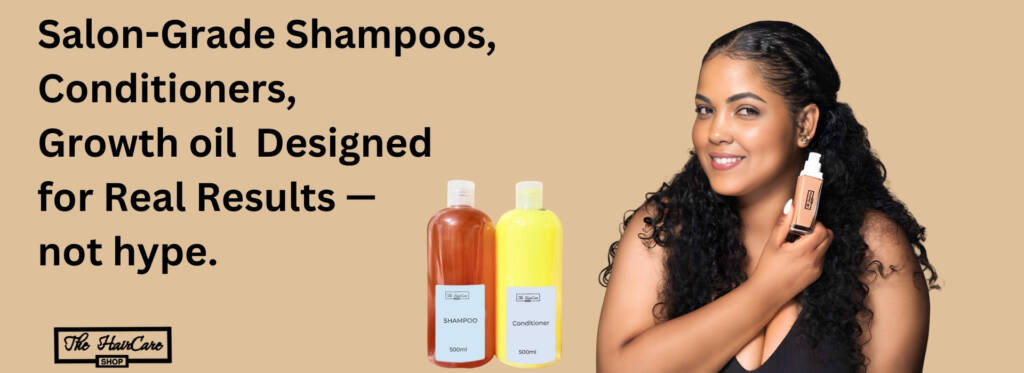
Salon-grade, sulphate-free products delivered to your door
Same-day delivery in Cape Town | Free shipping on orders over R500