
Female hair loss is one of the most emotionally difficult experiences a woman can go through — and one of the most misunderstood. Most hair loss advice is written with men in mind, even though women account for a significant proportion of hair loss cases. The causes, patterns, and treatments are different for women, and the solutions need to reflect that.
This guide covers the most effective hair loss treatments available to women in South Africa in 2026 — from proven topical products to nutritional support to lifestyle changes — based on what the evidence actually shows works.
Why Women Lose Hair — The Real Causes
Female hair loss is rarely just one thing. Most cases involve a combination of factors that compound over time. Understanding your specific triggers is the first step toward effective treatment.
Telogen effluvium — The most common type of female hair loss. A sudden shock to the system (illness, surgery, extreme stress, childbirth, crash dieting) causes a large proportion of hairs to simultaneously enter the resting phase and shed 2–4 months later. The good news: telogen effluvium is almost always reversible once the trigger is removed.

Iron deficiency anaemia — The single most common nutritional cause of hair loss in South African women. When ferritin (stored iron) drops below a threshold, the body deprioritises hair growth to conserve iron for essential functions. This type of hair loss responds well to iron supplementation — but only after a confirmed diagnosis via blood test.
Female pattern hair loss (FPHL) — Also called androgenetic alopecia, this is the genetic form of hair loss. In women, it typically presents as diffuse thinning across the crown rather than a receding hairline. It’s caused by sensitivity to DHT (a testosterone derivative) at the follicle level and is progressive without treatment.
Hormonal fluctuations — Pregnancy, postpartum, perimenopause, and PCOS all affect hair growth cycles. Oestrogen extends the hair’s growth phase; when oestrogen drops (after birth or during menopause), the hair sheds in larger-than-normal quantities.
Thyroid disorders — Both underactive (hypothyroidism) and overactive (hyperthyroidism) thyroid produce diffuse hair thinning. This is frequently missed because hair loss can be the only visible symptom. A simple TSH blood test rules this in or out.
Traction alopecia — Extremely common among South African women who wear tight braids, weaves, or ponytails regularly. Chronic tension on the follicle causes permanent damage over time, particularly along the hairline. This is one of the few types of hair loss that is entirely preventable.
Diagnosing Your Hair Loss — What to Check First
Before buying any product, rule out treatable medical causes. Ask your GP for the following blood tests:
- Full blood count — checks for anaemia
- Serum ferritin — checks stored iron (the most sensitive marker for iron-related hair loss)
- TSH — checks thyroid function
- Vitamin D — low levels linked to alopecia areata and diffuse thinning
- Zinc — deficiency causes significant shedding
- Hormonal panel — if PCOS or menopause is suspected
Treating the root cause — iron deficiency, thyroid imbalance, or hormonal disruption — often resolves hair loss without any topical treatment. Skipping this step means spending money on products that address symptoms rather than cause.
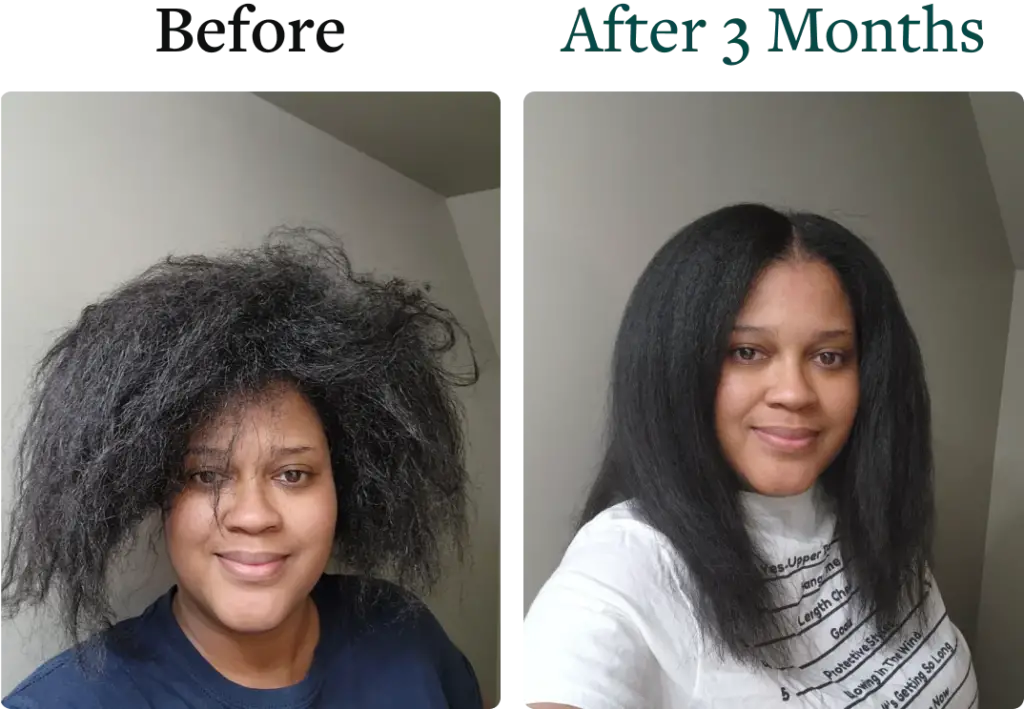
Hair Loss Treatments That Work for Women
1. Minoxidil (Topical) — Clinically Proven for Female Pattern Hair Loss
Minoxidil is the only topical ingredient with substantial clinical evidence for female hair loss. It works by extending the anagen (growth) phase and increasing blood flow to the follicle. The 2% solution is approved for women in South Africa; the 5% foam is increasingly used off-label with good results.
What to expect: Initial shedding in weeks 2–6 (this is normal — minoxidil shifts hairs that were about to shed anyway). Reduced shedding at 8–12 weeks. Visible regrowth at 4–6 months. Effects are sustained only with continued use — hair loss resumes when minoxidil is stopped.
Who it works for: Most effective for diffuse thinning and female pattern hair loss. Less effective for traction alopecia (follicle damage) or alopecia areata (autoimmune).
2. DHT-Blocking Shampoo — For Daily Scalp Treatment
DHT (dihydrotestosterone) miniaturises hair follicles in women genetically predisposed to pattern hair loss. A shampoo containing caffeine, saw palmetto, or zinc pyrithione can reduce DHT activity at the scalp level, slowing the miniaturisation process.
Caffeine is the best-studied topical DHT inhibitor — it penetrates the follicle within 2 minutes of contact and has been shown in clinical studies to extend the hair growth phase. Use a caffeine or saw palmetto shampoo on every wash day and leave it on the scalp for 2–3 minutes before rinsing for maximum benefit.
3. Hair Growth Oil — Scalp Stimulation and Follicle Support
Applied directly to the scalp and massaged in, hair growth oil increases blood circulation to the follicle and delivers active ingredients like castor oil, rosemary oil, and caffeine directly where they’re needed. Rosemary oil has been shown in a clinical study to match minoxidil 2% for hair growth at 6 months — without the irritation side effects.
Apply 3–4 times per week to clean, dry or damp scalp sections. Massage for 3–5 minutes to stimulate circulation. Leave in overnight or for at least 30 minutes before washing out.
4. Hair Growth Supplements — Addressing Nutritional Deficiencies
If blood tests confirm deficiencies in iron, zinc, vitamin D, or biotin, supplementation can restore hair growth within 3–6 months. Even without confirmed deficiency, a comprehensive hair supplement covering biotin, zinc, and collagen provides a foundation for optimal hair growth.
See our detailed guide on best hair growth tablets and supplements in South Africa for specific product recommendations and dosing guidance.
5. Scalp Massage — Free and Clinically Supported
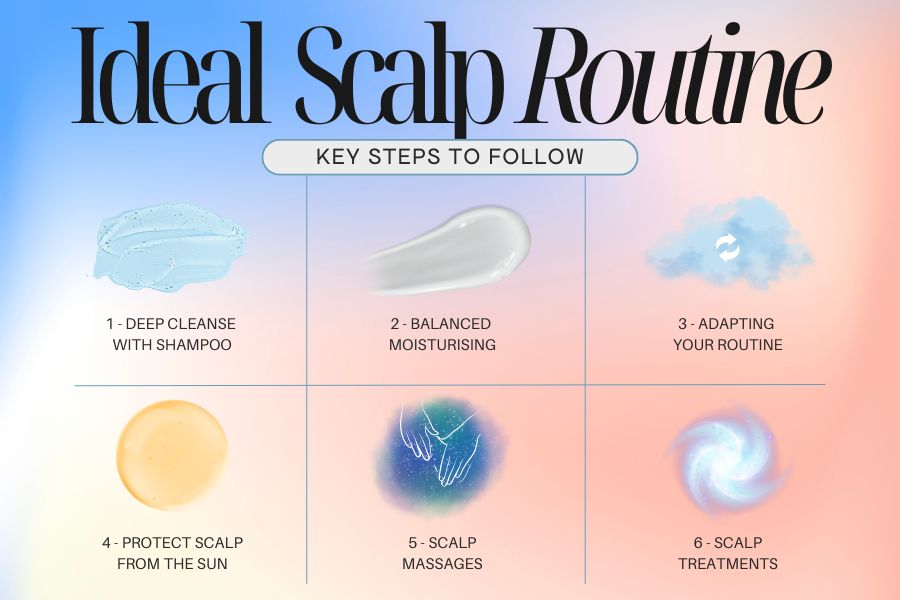
A 2016 Japanese study found that 4 minutes of standardised scalp massage daily for 24 weeks significantly increased hair thickness. The mechanism is mechanical stretching of dermal papilla cells and increased blood flow to the follicle. Use fingertips (not fingernails) in small circular motions across the entire scalp. This costs nothing and can be done while washing or applying oil.
Building a Complete Hair Loss Treatment Routine
The most effective approach combines topical, nutritional, and mechanical support:
Wash days (2–3 per week): DHT-blocking or caffeine shampoo → leave on 2–3 minutes → rinse → lightweight strengthening conditioner on lengths only → scalp massage while shampooing.
Between wash days: Apply hair growth oil to scalp sections → massage for 3–5 minutes → leave in. If using minoxidil, apply to dry scalp twice daily (at least 4 hours apart) away from oil application.
Daily: Take hair growth supplement with breakfast. Avoid tight hairstyles that pull on the hairline.
Monthly: Track progress with photos taken in consistent lighting. Hair growth is slow — a monthly photo comparison is more motivating and accurate than daily observation.
What Doesn’t Work (Despite the Marketing)
Biotin supplements for non-deficient women: If your biotin levels are normal, more biotin will not grow more hair. The biotin-for-hair-growth marketing is largely built on studies of clinically deficient patients.
Egg mask treatments: No clinical evidence for any benefit over standard conditioning. The protein in eggs cannot penetrate the hair shaft in any meaningful way when applied topically.
Hair-thickening sprays: These add temporary bulk by coating the hair shaft — they don’t address the follicle at all. Good for styling, not for treatment.
Anti-dandruff shampoo as a hair growth treatment: Zinc pyrithione in anti-dandruff shampoos does have some DHT-blocking activity, but most anti-dandruff shampoos are too harsh for daily use and strip moisture that already-stressed hair needs.
Frequently Asked Questions
How much hair loss is normal per day?
50–100 hairs per day is considered normal. If you’re seeing significantly more — particularly on your pillow, in the shower, or after combing — that warrants investigation. A useful test: count hairs on your pillow each morning for a week and compare to your normal baseline.
Can hair loss from postpartum shedding be treated?
Postpartum hair loss (telogen effluvium) typically peaks at 3–4 months after birth and resolves on its own by 12 months. Treatment is supportive rather than curative — a gentle sulphate-free shampoo, a hair growth supplement to support the recovery, and avoiding tight styles that put extra stress on already-fragile hair. Most women regain their pre-pregnancy density without intervention.

Is hair loss from stress permanent?
Stress-related hair loss (telogen effluvium) is almost always temporary. Once the stressor is resolved and the body restabilises, the hair growth cycle returns to normal. Recovery typically takes 3–6 months from the point the stress resolves — not from when the shedding started. Consistent nutrition and scalp care during recovery speeds the process.
At what point should I see a dermatologist?
See a dermatologist if: you notice bald patches rather than diffuse thinning (possible alopecia areata), your hairline is visibly receding at the temples, shedding is severe (handfuls rather than increased normal loss), or you’ve had blood tests done and all results are normal but hair loss continues. A dermatologist can perform a trichoscopy examination and scalp biopsy if needed to confirm diagnosis.
Shop Hair Loss Treatment Products at Haircare Shop
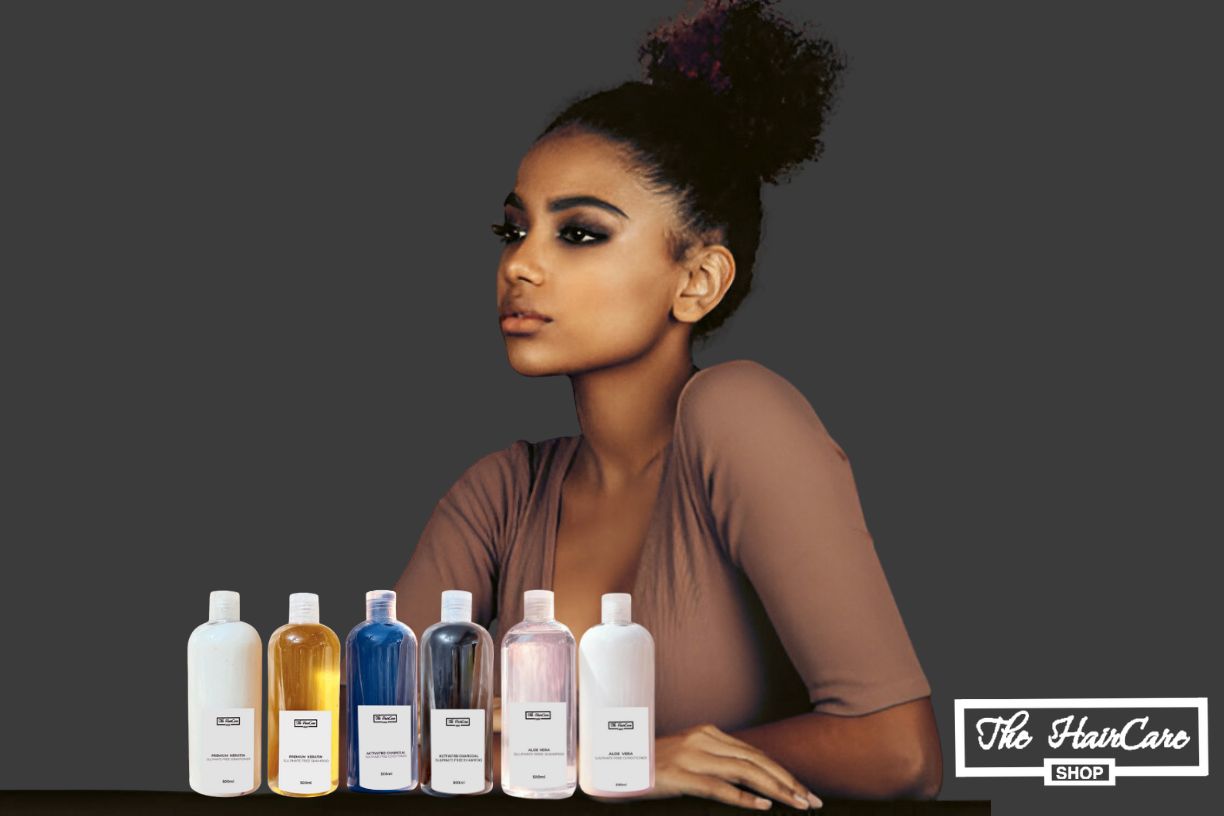
Haircare Shop stocks a complete range of hair loss treatment products for women — from caffeine and rooibos growth shampoos to scalp oils, supplements, and strengthening conditioners. Every product is available online with fast delivery across South Africa.
Free delivery on orders over R499. Order before 2pm for same-day dispatch from our Cape Town warehouse. Browse the full hair loss treatment range at haircareshop.co.za.
Related Reading
→ Best Hair Growth Tablets & Supplements in South Africa 2026 — What Actually Works
→ Top 10 Best Shampoos in South Africa 2026 — Tested & Reviewed for Every Hair Type
→ Hair Growth vs Length Retention — Why Your Hair Isn’t Getting Longer
Ready to Transform Your Hair?
Salon-grade, sulphate-free products delivered to your door
Same-day delivery in Cape Town | Free shipping on orders over R500
Not sure which one is right for your hair?
Send us a message on WhatsApp and we will recommend the right range for your hair problem. No charge, no obligation.
Ask on WhatsApp