Your hair is growing. But it’s not getting longer. This frustration affects countless South African women—you’ve been protecting your hair, using products, and your hair should be thriving, yet it plateaus at the same length year after year. The problem isn’t growth; it’s retention. Understanding the difference between hair growth and length retention, and knowing how to prioritise retention over growth, is the key to finally achieving the long hair you want.
The Critical Difference: Growth vs Retention
Hair growth and length retention are two completely different goals requiring different strategies. Hair growth measures how much new hair your follicles produce. An average scalp produces about 6 inches of new hair per year. This is relatively consistent across most people regardless of hair type or genetics. However, length retention measures how much of that new growth you keep—how much you prevent from breaking off before it reaches your desired length.
If you’re growing 6 inches yearly but losing 4-5 inches to breakage, you’re only retaining 1-2 inches per year. This is why your length plateaus. The solution isn’t stimulating more growth—it’s preventing the breakage that’s sabotaging your retention. For most women, fixing retention is far more impactful than trying to increase growth rate.
Why Hair Seems Stuck at a Certain Length
There’s a biological explanation for reaching a natural length plateau. Your hair has a genetically determined growth cycle length—the anagen (growth) phase lasts roughly 3-7 years depending on genetics, ethnicity, and hormonal health. When this phase ends, hair enters the catagen (transition) phase, then telogen (shedding) phase. The maximum length your hair can reach is determined by how long the anagen phase lasts.
For example, if your anagen phase lasts 4 years and your hair grows 6 inches yearly, your maximum theoretical length is 24 inches from root to tip. Reaching beyond that would require extending the growth phase—which is largely genetic and cannot be dramatically changed.
However, most women don’t reach their genetic maximum length because breakage removes hair faster than it grows. You might have the genetic potential for 30-inch hair, but if you’re losing 4 inches yearly to breakage while only gaining 6 inches from growth, you plateau at a shorter length.
Additionally, regular trims remove length. Trims are essential for removing damaged ends, but if you’re trimming more than you’re growing, your length will decrease rather than increase. Finding the balance between protective trimming and retention is crucial.

Identifying Your Primary Breakage Points
Breakage doesn’t happen randomly—it occurs at specific points where your hair is weakest. Identifying where your hair breaks helps you target protective strategies.
Ends (Last 2 Inches): The oldest part of your hair receives the most damage. Product buildup, friction, weather exposure, and heat styling all accumulate here. Ends are more porous and vulnerable. If your breakage is concentrated at the ends, you need more frequent trims and deeper conditioning.
Mid-Length: This is where tension from styling and friction against clothing cause breakage. If you’re breaking at the mid-length, your styling practices are too damaging. Protective styling and looser hair practices are needed.
Edges and Hairline: Tension alopecia from tight styling causes breakage here. Relax hairstyles, avoid tight braids and buns, and focus on edge protection.
Throughout (Random Breakage): If you’re breaking throughout your hair, the problem is usually protein-moisture imbalance or internal structural damage. Your hair needs either protein treatment (if it’s stretchy and mushy) or moisture treatment (if it’s brittle and dry).
Protective Styling: The Foundation of Retention
Protective styling means styling your hair in a way that minimises friction and tension. The goal is to have your hair tucked away, protected from external damage, while still allowing your scalp to breathe and be cared for.
Best Protective Styles: Loose braids, buns, twists, and locs all protect hair when they’re not too tight. The key word is “loose.” If your style causes any pulling sensation or headaches, it’s too tight and will accelerate breakage.
Styles to Avoid: Extremely tight buns, very small braids, tight ponytails, and extensions that pull on your natural hair cause tension alopecia. If you love these styles, save them for occasional special occasions rather than daily wear.
Frequency Guidelines: Protective styling doesn’t mean your hair needs to be in a style 24/7. Aim for protective styles 3-5 days per week, with 1-2 days for gentle, loose styles or air-dried hair. This balances protection with scalp health and styling flexibility.
Overnight Protection: Sleep causes friction that breaks hair. Sleep on a silk or satin pillowcase rather than cotton. Cotton’s rough texture creates friction; silk and satin allow your hair to glide. Alternatively, wrap your hair in a silk scarf or bonnet before bed. This single change prevents significant breakage for many women.
Moisture-Protein Balance: The Structural Foundation
Hair needs both moisture and protein to remain strong and elastic. When these are balanced, hair is flexible enough to bend without breaking. When they’re imbalanced, hair becomes brittle or mushy.
Signs of Moisture Deficit: Hair is dry, brittle, dull, tangles easily, frizzes, and breaks when you try to comb it. The hair feels stiff and lacks elasticity. Solution: deep conditioning with moisture-rich treatments. Our Aloe Vera Shampoo and Conditioner Set provides intensive moisture.
Signs of Protein Deficit: Hair is stretchy, feels mushy or spongy when wet, breaks easily even though it feels soft, and may feel limp or lack definition. The hair lacks bounce and strength. Solution: protein treatments. Our Premium Keratin Set rebuilds protein structure.
The Balance: Alternate between protein and moisture treatments. A common rhythm is protein treatments twice monthly and moisture-focused deep conditioning weekly. Adjust based on how your hair responds. If it becomes dry, increase moisture. If it becomes mushy, increase protein.
Use sulphate-free shampoos that don’t strip your moisture. Our Rooibos Combo Set provides gentle cleansing while maintaining moisture balance, making it ideal for retention-focused routines.

The Trimming Myth: How Often to Actually Trim
The advice to trim hair every 6-8 weeks is one of the haircare industry’s most expensive myths. Most women don’t need trims that frequently and, if you’re trying to retain length, frequent trims actively work against you.
The Reality of Trims: You only need to trim when you have damaged, split ends that will continue splitting up the hair shaft. Healthy hair doesn’t need regular trims just to “keep it healthy”—that’s marketing nonsense designed to keep women at salons. A dusting of a quarter-inch is not the same as a trim that removes significant length.
Realistic Trimming Schedule: Trim every 12-16 weeks, removing only 0.5-1 inch to eliminate split ends. Some women with very healthy hair trim only 2-3 times yearly. If you’re breaking at the ends, you might need trimming more frequently, but this addresses a symptom (ends are breaking) not the cause. The real solution is fixing whatever is causing the breakage—usually lack of moisture or insufficient protein treatment.
Calculating Your Retention Goal: If you’re trying to grow your hair and you grow 6 inches yearly, only trim 1-2 inches yearly maximum. This means you retain 4-5 inches yearly. If you trim every 6 weeks (about 1 inch per trim), that’s roughly 8 inches trimmed annually—far more than you’re growing. You’ll never reach your length goal with that trimming schedule.
Building Your Length Retention Routine
A length retention routine differs from a growth routine. Instead of focusing on stimulating growth, you focus on preventing breakage and maintaining hair health.
Daily Practice: Use gentle handling when detangling. Detangle with hair conditioner on it—never detangle dry hair. Use wide-tooth combs or brushes designed for textured hair. Avoid heat styling, or use heat protectant if you do style with heat. Sleep on silk or satin. Wear protective styles most days.
Weekly Deep Conditioning: Condition deeply once weekly with a moisture-rich treatment. For thick or textured hair, condition twice weekly. Leave treatments on for 15-30 minutes or overnight for intensive nourishment.
Bi-Weekly Protein Treatment: Alternate protein treatments between deep conditioning weeks. Our Keratin Silk Masque provides intensive protein restoration while maintaining moisture.
Scalp Oiling: A healthy scalp produces healthier hair. Oil your scalp 2-3 times weekly with our Premium Hair Growth Oil to support the hair being produced from the follicle.
Minimal Trimming: Trim only 1-2 inches yearly, only when you have actual split ends to remove.
Realistic Timeline for Visible Length Increase
With a dedicated retention focus, how long before you see real length changes?
2-4 Weeks: You’ll notice less shedding, healthier hair, and improved shine. Hair will feel stronger when you detangle.
8-12 Weeks: You’ll start retaining more length. Less hair breaks off between trims, so length accumulates. You might gain 1-2 inches of retained length.
4-6 Months: Significant length increase becomes visible. You’ll likely have gained 2-3 inches of additional length by this point, even though your hair is still only growing 6 inches yearly—you’re just retaining more of it.
1 Year: If you started at a length where you weren’t retaining hair well, one year of dedicated retention focus can yield 4-6 inches of new length. This is growth plus retained length combined.
Avoiding Common Retention Mistakes
Mistake 1: Focusing on growth products instead of retention: You can’t grow faster than your genetics allow. Accept that you grow about 6 inches yearly, then focus 90% of your effort on keeping that growth.
Mistake 2: Over-washing: Frequent shampooing dries hair and increases breakage. Wash 2-3 times weekly maximum with a sulphate-free formula.
Mistake 3: Insufficient conditioning: Most women undercondition. Weekly deep conditioning should be non-negotiable, not optional. This is the single highest-impact retention practice.
Mistake 4: Trimming away your growth: If you trim more than you grow, your length decreases. Be ruthless about minimal trims.
Mistake 5: Tight styling: Tension alopecia and breakage from tight styles sabotage retention. Loose protective styles are what actually protect hair.
Mistake 6: Ignoring moisture-protein balance: Hair that breaks throughout is usually imbalanced. Diagnose whether you need more moisture or protein, then address accordingly.
Recommended Reading
Deepen your knowledge with these related guides:
Sulphate-Free Shampoo — Why It Matters — Understand why your shampoo choice is foundational to retention.
How to Stop Hair Breakage — Comprehensive strategies for identifying and eliminating breakage at every point.
Keratin Treatment at Home — Master DIY keratin treatments for intensive protein restoration and smoothing.
Start Your Retention Journey Today

Stop chasing growth and start chasing retention. The long hair you want is achievable—not through miraculous growth acceleration, but through protecting and maintaining every inch you grow. Invest in a sulphate-free shampoo and conditioner, commit to weekly deep conditioning, and adopt protective styling. These three changes alone will transform your retention results.
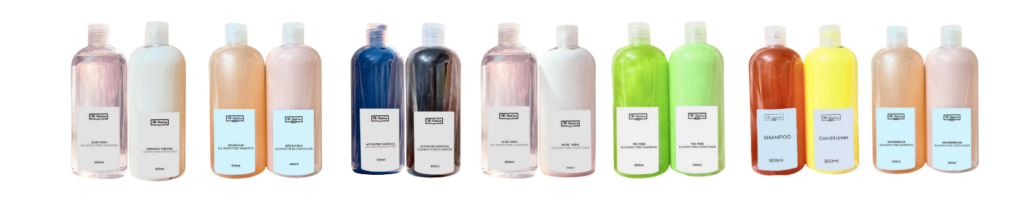
Explore our complete product range designed for South African hair. The Premium Keratin Set, Argan Silk Set, and Aloe Vera Set all provide the foundation for strong retention. Pair with our Keratin Silk Masque for weekly intensive treatment.
Have questions about your hair’s breakage patterns or retention challenges? Get in touch with our team in Cape Town. We’re here to help you build a retention-focused routine that finally gets your hair to the length you’ve been dreaming of. Delivery throughout South Africa.
Ready to Transform Your Hair?
Salon-grade, sulphate-free products delivered to your door
Same-day delivery in Cape Town | Free shipping on orders over R500
Not sure which one is right for your hair?
Send us a message on WhatsApp and we will recommend the right range for your hair problem. No charge, no obligation.
Ask on WhatsApp