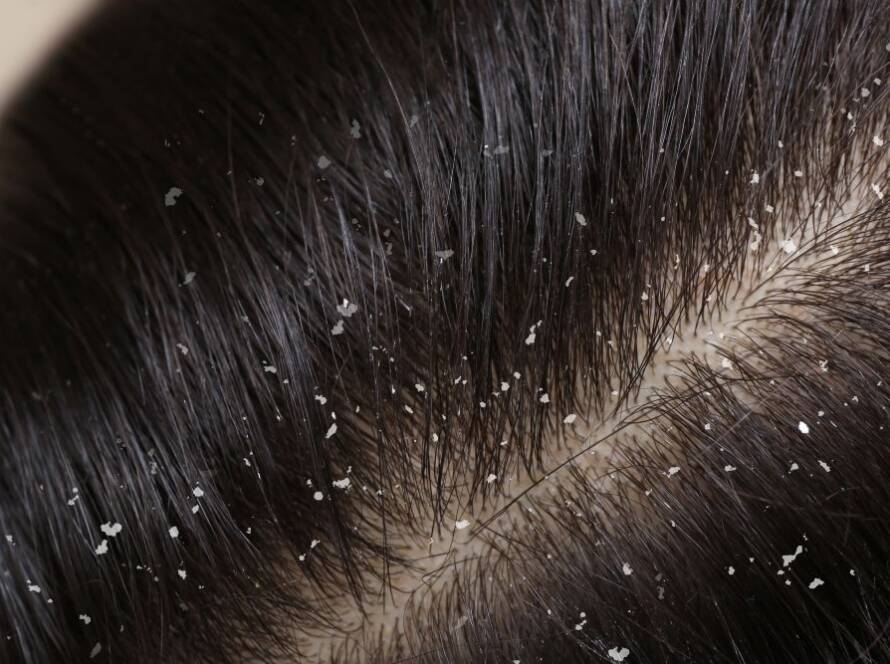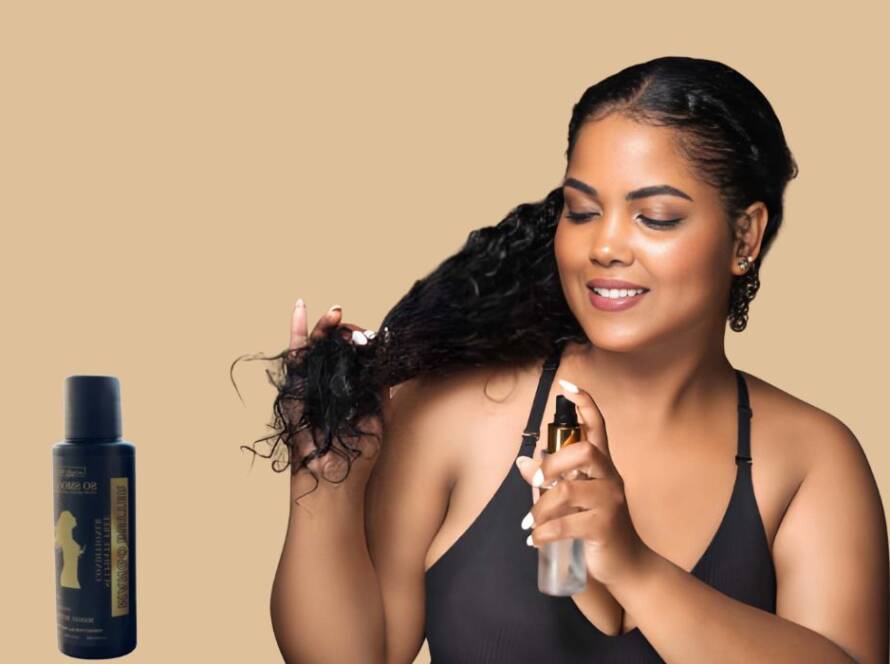
Hair oiling is one of the most powerful yet misunderstood practices in haircare. For South African women managing diverse hair textures—from tightly coiled to loose waves—understanding the science behind scalp oiling can transform your hair health entirely. The ancient wisdom of oiling combined with modern dermatological research shows that a consistent oiling routine strengthens hair from the root, improves scalp health, and prevents the breakage that keeps your hair from reaching its length goals. Your scalp produces natural oils called sebum, which protects and moisturises your hair shaft. However, factors like frequent washing, heat styling, harsh chemicals, and South Africa’s intense sun exposure strip away these protective oils faster than your body can replace them. This leads to a dry scalp, weakened hair strands, and increased breakage. Hair oiling essentially replaces and reinforces this natural protection. Research published in dermatological journals shows that oil molecules penetrate the hair shaft, particularly at the cuticle layer, reducing water loss by up to 30%. For women of colour with naturally drier hair textures, this penetration is crucial—it’s not just a surface treatment, it’s internal moisturisation. Oils also create a protective barrier that shields your hair from environmental damage, UV rays, and the friction that causes breakage during styling. A healthy scalp is the foundation for healthy hair growth. Your hair follicles sit beneath the scalp surface, and if your scalp is inflamed, dry, or congested, your hair growth will suffer. Regular oiling massages stimulate blood circulation to the scalp, delivering oxygen and nutrients directly to hair follicles. This increased blood flow enhances the growth phase of the hair cycle and can actually speed up how quickly your hair grows. Additionally, oiling soothes scalp inflammation and creates an antimicrobial environment. Many South African women deal with scalp sensitivity due to hard water, chlorine exposure at swimming pools, or product buildup. A consistent oiling routine restores the scalp’s pH balance and protective microbiome, reducing itching, flaking, and irritation that can interrupt the growth cycle. Not all oils are equal, and choosing the right oil for your specific hair needs is essential. Hair texture, scalp condition, and your goals all determine which oil will work best for you. For Hair Growth and Strength: Our Premium Hair Growth Oil combines proven growth-promoting botanicals with nourishing carriers. The formula is specifically designed to stimulate the anagen (growth) phase of the hair cycle while strengthening existing strands to prevent breakage that interferes with length retention. For Scalp Health and Balance: Lighter oils like coconut or sesame penetrate easily and don’t leave residue on fine hair. These are ideal if you have a sensitive or easily congested scalp. They provide moisturisation without weight. For Deep Nourishment: Richer oils like argan or aloe work best for thick, coily, or very dry hair. These oils have larger molecular structures that coat the hair shaft, providing significant moisture and heat protection. They’re excellent for low-porosity hair that resists water absorption. For Scalp Inflammation: Oils infused with tea tree or other antimicrobial botanicals address scalp conditions like seborrheic dermatitis or bacterial growth. These should be used therapeutically when scalp issues arise. Heat enhances oil penetration significantly. When you apply warm oil to your hair, the warmth opens the cuticle layer and allows the oil molecules to penetrate deeper into the cortex of the hair shaft. This is why hot oil treatments deliver results faster than cold oil applications. To perform an effective hot oil treatment: warm your chosen oil (test the temperature on your inner wrist first—it should feel comfortably warm, not hot), apply it section by section starting at the scalp and working toward the ends, massage your scalp for 5-10 minutes to stimulate blood flow, then wrap your hair in a warm towel for 20-30 minutes. For intense treatments, you can leave oil on overnight. This weekly or bi-weekly ritual transforms hair texture, improves elasticity, and visibly reduces frizz within 2-3 weeks. Many South African women swear by overnight oiling—and the science supports this approach. Applying oil before bed and leaving it on overnight (8+ hours) maximises penetration time. Your scalp also produces less sebum during sleep, so there’s less competition from natural oils, allowing applied oils to work more effectively. For overnight oiling, use slightly less oil than you would for a daytime treatment to avoid excess residue. Focus on the scalp and mid-lengths to ends, avoiding the first few centimetres near the roots if you have fine or oily hair. Wrap your hair in a silk or satin scarf—this prevents friction against your pillowcase and reduces breakage while the oil works overnight. In the morning, shampoo thoroughly with a sulphate-free formula that removes oil without stripping moisture. Using too much oil: More oil isn’t better. Excess oil sits on the scalp creating a barrier that traps bacteria and causes congestion. Use approximately 1-2 tablespoons for shoulder-length hair, adjusting for density and texture. Oiling dry hair and then shampooing immediately: Oil needs contact time to penetrate. Leave it on for at least 20 minutes, preferably several hours, before shampooing. Using oil on already greasy scalps without addressing the underlying issue: If your scalp is greasy, the problem is usually product buildup or moisture imbalance, not lack of oil. Clarify first with a gentle sulphate-free shampoo, then introduce targeted oiling. Applying oil only to ends and ignoring the scalp: The scalp needs the most attention because that’s where hair is produced. Neglecting scalp oiling misses the most important benefit. Using cooking oils instead of haircare oils: While coconut oil is edible, cooking oils aren’t formulated for hair. They can contain contaminants and lack the purity needed for consistent results. Invest in oils specifically designed for hair. How often should you oil your hair? This depends on your hair type, scalp condition, and climate. Fine or Thin Hair: Oil once every 7-10 days. Your hair doesn’t need as much oil, and frequent oiling can weigh strands down and create a limp appearance. Medium Texture (Wavy to Loose Curls): Oil twice weekly or once every 5 days. This texture benefits from regular moisture and protection without becoming greasy. Coily or Thick Hair: Oil 2-3 times weekly. These textures are naturally drier and benefit from frequent deep conditioning with oils. Many women with tight curls find that oiling weekly isn’t enough. Oily Scalp with Dry Ends: Oil ends and mid-lengths twice weekly, but avoid the scalp. Focus on scalp treatments only once weekly with lighter formulas. During Seasons of Intense Sun: South Africa’s summer heat increases moisture loss. Increase oiling frequency by 1-2 times during December-February when UV exposure is highest. An effective oiling routine isn’t just about applying oil—it’s about integrating it into a comprehensive haircare system. Start with a sulphate-free base that won’t strip away your natural oils or oil treatments. Our Tea Tree Shampoo and Conditioner Set gently cleanses while maintaining scalp health, making it ideal for women who oil regularly. Pair your oiling routine with a nourishing masque for intensive treatment. Our Keratin Silk Masque works synergistically with oiling—the oil softens the hair cuticle, allowing the keratin treatment to penetrate and strengthen from within. Use this combination weekly for visibly stronger, smoother hair. With consistent oiling, you should notice changes within 2-4 weeks. Your scalp will feel less tight and itchy, your hair will feel softer and more elastic, and you’ll experience less breakage during styling. Understanding the realistic timeline for hair oil results is important for maintaining motivation. After 8-12 weeks of dedicated oiling, you’ll likely see improved hair growth, shinier strands, and better length retention because you’re preventing breakage. The key is consistency. Hair grows on a cycle—it takes about 3 months for new growth to reach the middle of your hair shaft. Regular oiling ensures that new growth comes in strong and that existing hair is protected and maintained throughout this growth cycle. Ready to take your hair growth to the next level? Explore these related guides: Best Shampoo for Hair Growth and Thickness — Discover which shampoo formulations actually support growth without damaging your strands. 5 Best Natural Oils for Hair Growth — Deep dive into specific oils and their individual benefits for your hair type. How to Use Hair Growth Oil for Maximum Results — A week-by-week guide to implementing hair growth oil into your routine and seeing measurable results. Start your oiling journey today with our Premium Hair Growth Oil, formulated specifically for South African hair. Combined with the right shampoo, conditioner, and treatments, you’ll have the complete system needed for visibly healthier, stronger, longer hair. Shop our complete range at The Haircare Shop and discover why hundreds of South African women trust us for their hair transformation. Have questions about your specific hair needs? Get in touch with our team in Cape Town. We’re here to help you create the perfect oiling routine for your unique hair type and goals. Delivery available throughout South Africa. Ready to Transform Your Hair? Salon-grade, sulphate-free products delivered to your door Same-day delivery in Cape Town | Free shipping on orders over R500 Send us a message on WhatsApp and we will recommend the right range for your hair problem. No charge, no obligation.
The Science Behind Hair Oiling
Understanding Scalp Health as Foundation for Growth

Which Oils for Which Hair Purposes
Hot Oil Treatments for Maximum Penetration

Overnight Oiling Practices
Common Oiling Mistakes to Avoid
Creating Your Optimal Oiling Frequency Guide
Building Your Complete Oiling Routine

Results You Can Expect
Recommended Reading
Ready to Transform Your Hair?
Not sure which one is right for your hair?
or get hair tips by email